Guides
The Best Gins for a Gin and Tonic: A Bottle for Every Mood
The gins that make the best G and T, from bold classics to aromatic sippers, plus the tonic, ice and garnish that matter as much as the bottle.
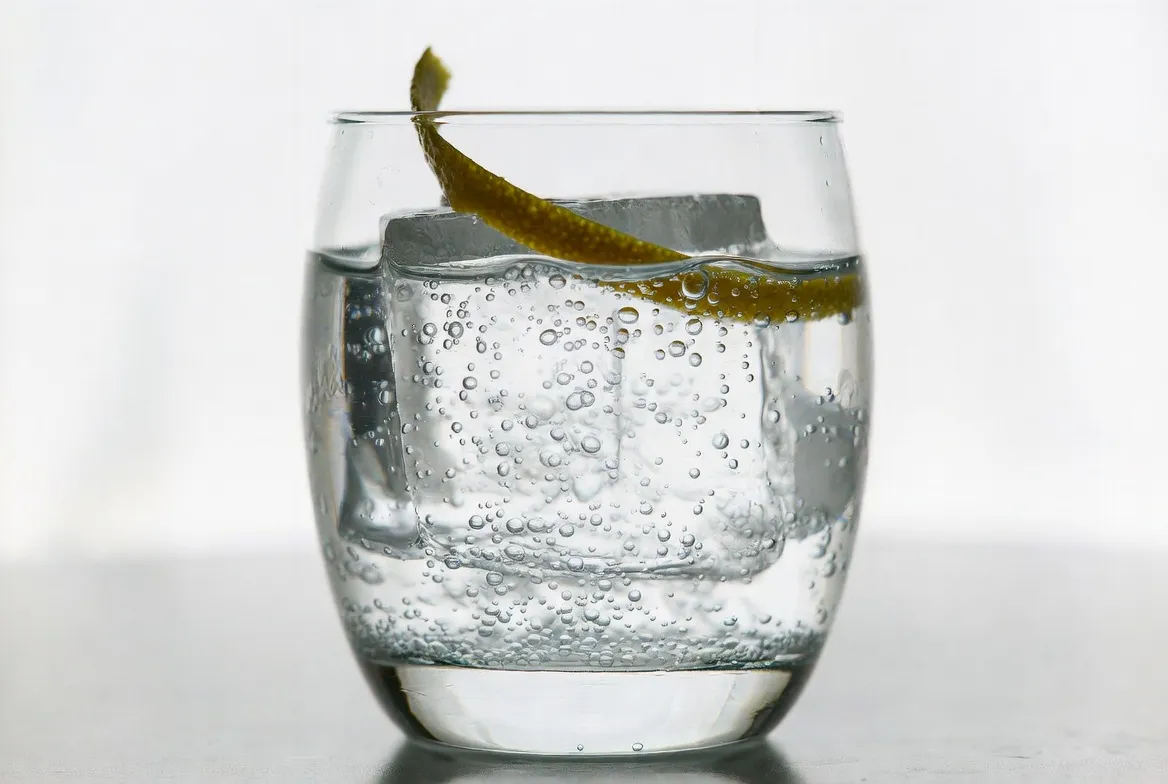
The gin and tonic is the drink most gin is bought for, and the good news is that it is forgiving - almost any decent gin makes a decent G and T. But “decent” and “the best you have ever had at home” are separated by a few deliberate choices, and the biggest of them is the gin. The trouble with most “best gin for a G and T” lists is that they pretend there is one answer. There is not. The best gin depends on what you want the drink to taste like, so this guide is organised by mood rather than forced into a single ranking.
One thing worth saying before the bottles: the gin is only half the drink. A brilliant gin drowned in flat, over-sweet tonic and a tired lime is worse than a modest gin served properly. We cover the tonic, ice, and garnish at the end, because they matter as much as which bottle you reach for.
How to think about it
A gin and tonic is mostly tonic, ice, and dilution, which means the gin has to be assertive enough to come through or interesting enough to reward attention. Bold classical gins give you the crisp, juniper-led drink most people picture. Contemporary gins trade some of that punch for softness and unusual botanicals. Neither is better; they are different drinks. Pick by what you are in the mood for.
If you want the classic, crisp G and T
-
Tanqueray London Dry is the benchmark. Four botanicals, hard juniper, citrus-bright, and dry enough to cut through any tonic. This is the taste most people mean by “a proper gin and tonic.” Around £22-26 and endlessly reliable.
-
Beefeater London Dry is the same idea at a lower price - bold, classical, and bright. If you make G and Ts often and do not want to think about it, this is the workhorse. Around £18-22.
If you want smooth and easy-drinking
- Bombay Sapphire is soft, light, and gently peppery thanks to its vapour infusion. It goes down easily and takes beautifully to a wide strip of fresh ginger or a few black peppercorns as a garnish. The gin for people who find bold London Drys too aggressive.
If you want something aromatic and different
-
Hendrick’s leads with cucumber and rose, making a distinctly floral, refreshing G and T that tastes nothing like a classical one. Garnish with cucumber, not lime. Divisive but genuinely lovely in warm weather.
-
The Botanist brings 22 wild Islay botanicals and a green, herbal complexity. At 46% it stands up to tonic where softer gins fade, and a thyme or rosemary sprig echoes its character. The G and T for when you want to taste something.
If you want to treat yourself
- Tanqueray No. Ten is the upgrade to the classic. Built on fresh citrus and chamomile, it makes a brighter, more aromatic G and T with real finesse. Worth it when the drink is the occasion, not the warm-up. Around £28-34.
If you want maximum value
- Supermarket award-winners. The Aldi and Lidl London Dry bottles regularly win blind-tasting medals against gins four times the price and cost around £14-16. In a G and T, blind, most people cannot tell. The smartest money in gin.
The bottles to skip for a G and T
Heavily sweetened or brightly coloured “flavoured” gins (rhubarb, parma violet, and the like) lean on sugar that turns cloying under tonic. And very delicate, super-premium sipping gins are wasted here - their subtlety disappears into the mixer, so save them for a Martini or neat.
The other half of the drink
Tonic. Use a good one and keep it cold and fresh - a flat, warm tonic ruins the best gin. Fever-Tree Indian is the safe default; a light tonic lets a delicate gin show, a classic tonic supports a bold one. Slimline tonics can taste thin and artificial; a full-sugar or naturally light tonic is usually better.
Ratio. Start at 1 part gin to 2-3 parts tonic and adjust. Too much tonic and the gin vanishes; too little and it is harsh. Build it in the glass over ice.
Ice. More than you think, and big if you can. Plenty of large, cold ice keeps the drink cold and dilutes slowly. A few small cubes melt fast and water the drink down.
Garnish. Match it to the gin, do not default to lime. Classical gins take lemon or lime; Bombay loves ginger or pepper; Hendrick’s wants cucumber; herbal gins like a rosemary or thyme sprig. Express citrus peel over the surface for the aroma - it is part of the drink.
Glass. A large copa or a tall highball, both filled with ice. The big bowl gathers aroma; the tall glass keeps it fizzy. Either beats a small tumbler.
The honest verdict
There is no single best gin for a gin and tonic, only the best gin for the drink you feel like. Tanqueray or Beefeater for the crisp classic, Bombay Sapphire for easy and smooth, Hendrick’s or The Botanist for aromatic and different, Tanqueray No. Ten for a treat, and the supermarket award-winners when value is the point. Then get the other half right - fresh cold tonic, plenty of big ice, and a garnish chosen to match the gin. Do that and a good gin becomes a great gin and tonic, which is, after all, what you bought the bottle for.
Tagged
Adjacent reading
The Best Gins for Beginners: Where to Start With Gin
New to gin? The best gins to start with - approachable, versatile bottles that are easy to love, plus how to drink them and what to try as your taste grows.
The Best Gin Gifts: What to Buy the Gin Lover in Your Life
The best gin gifts for every budget - bottles, glassware, gift sets, tools and subscriptions. What to buy the gin lover in your life, and what to skip.
The Best Sloe Gins: A Liqueur Worth Getting Right for Autumn
Sloe gin is a liqueur, not a gin - blackthorn berries steeped in gin and sugar. The best bottles, how they differ, and how to drink them from autumn on.