Guides
The Best Tonic Water for Gin: A Buyer's Comparison
Tonic water makes up most of a gin and tonic by volume. Which brands actually justify their price, and how to match the right tonic to your gin.
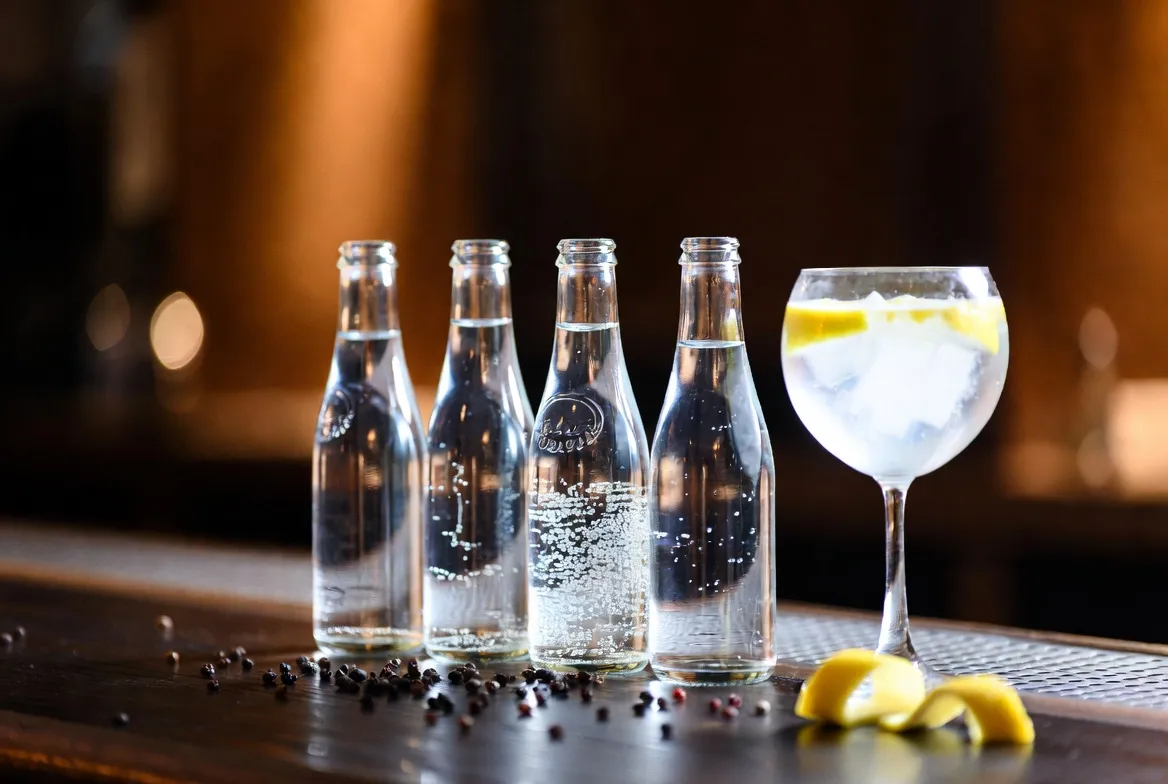
The gin gets the brand recognition, but the tonic water is most of your gin and tonic by volume. In a 1:3 ratio, your drink is 75% tonic and 25% gin. Using premium gin with mediocre tonic produces a mediocre drink. This is the guide that compares the major tonic water brands actually worth buying, what differentiates them, and which to match with which gin.
What’s actually in tonic water
Tonic water is carbonated water flavored with three main components:
-
Quinine - the bitter compound originally derived from cinchona tree bark. Quinine has been used as an anti-malarial since the 17th century, which is why colonial British administrators mixed it with gin in tropical postings. Modern tonic water contains far less quinine than historical versions (regulated to maximum 83mg per litre in the EU and 83 ppm in the US).
-
Sweetener - sugar (in premium brands) or high-fructose corn syrup (in mass-market US brands) or artificial sweeteners (in diet versions).
-
Carbonation - dissolved CO2, more or less aggressive depending on brand.
-
Optional botanicals - some premium tonics add natural flavorings (elderflower, citrus, herbs, etc.) for distinctive variants.
The differences between brands come down to: how much quinine they use, how much sugar, how strong the carbonation is, and what optional flavorings they add. Small differences in any of these produce noticeably different drinks.
The premium tonic brands
Fever-Tree (UK)
Founded in 2004, Fever-Tree essentially created the premium tonic category. Their core argument: if you use natural quinine from sustainably sourced cinchona and skip the artificial sweeteners and preservatives, you get a tonic water that actually tastes good rather than just functioning as a carbonated bitter mixer.
Their range:
-
Indian Tonic Water - the flagship. Balanced quinine bitterness, moderately sweet, strong carbonation. The default recommendation for premium G&Ts and probably the most widely-available premium tonic globally.
-
Mediterranean Tonic Water - lighter, more floral, with herbal additions (rosemary, thyme). Designed specifically for contemporary floral gins.
-
Elderflower Tonic Water - elderflower-flavored, slightly sweeter, distinct character. Works with floral gins.
-
Light Indian Tonic Water - half the calories of standard Indian Tonic Water (uses fructose). Some prefer the lighter sweetness; others find it slightly thin.
-
Citrus Tonic and Cucumber Tonic - specialized variants, both reasonable but more limited use.
Fever-Tree is the safest single recommendation. If you can only stock one premium tonic, make it Fever-Tree Indian Tonic Water.
1724 Tonic Water (Spain/Argentina)
Founded in Argentina by a Spanish bartender, 1724 is named for the altitude (1,724 meters) at which the quinine for the tonic is harvested in the Andes. Higher-altitude cinchona has more concentrated quinine.
The character: more bitter than Fever-Tree, less sweet, with stronger quinine character. 1724 is the connoisseur’s choice for classical juniper-forward gin - it provides enough bitterness to stand against a robust London Dry without being overwhelmed.
The downside: higher price (typically £2.50-3.50 per 200ml bottle in the UK, $4-5 in the US) and lower availability outside Spain and parts of Latin America. If you find it at a reasonable price, it’s worth trying.
Fentimans (UK)
A British brand with a longer history than Fever-Tree, Fentimans uses fermented botanicals in its tonic production - giving it a more complex, herbal character than other tonics.
The character: distinctly herbal, slightly less carbonated than competitors, more polarizing. Some drinkers love Fentimans; others find it too botanical.
Best with classical, juniper-forward gins. Less good with contemporary floral gins (the existing botanical complexity in both the gin and the tonic can fight each other).
Three Cents (Greece)
A Greek brand that has gained international recognition since the late 2010s. The flagship is Aegean Tonic Water, made with quinine from Indonesia.
The character: lighter than Fever-Tree, more aromatic, slightly less bitter, with a fresh marine quality. Three Cents pairs particularly well with Mediterranean-style gins (Spanish, Italian, Greek) and with contemporary herbal gins.
Q Mixers (US)
The American equivalent of Fever-Tree. Founded in 2007, Q Tonic Water was an early premium tonic in the US market. Uses agave nectar as sweetener (less sweet than sugar, more complex than corn syrup) and natural Peruvian quinine.
The character: less sweet than Fever-Tree, slightly more bitter, lighter carbonation. Particularly good with American craft gins (lower sweetness pairs well with citrus-forward American profiles).
Schweppes Premium Mixer (UK and Europe)
Don’t confuse this with regular Schweppes Tonic Water (which is the mass-market product). The “Premium Mixer” line, launched in 2018 by Coca-Cola Europe specifically to compete with Fever-Tree, is genuinely good - natural quinine, real sugar, several variants.
The character: comparable to Fever-Tree at slightly lower prices in European markets. Worth trying if you find it.
Schweppes Original Tonic Water (everywhere)
The original mass-market tonic. Better than most people give it credit for - good carbonation, recognizable character, fine for casual drinking. Sweeter than premium brands and less complex, but acceptable.
If you’re making G&Ts for a party of 20 people, this is the economical choice. For your everyday G&T, the premium brands are worth the upgrade.
Tonics to avoid
- Canada Dry - functional but very sweet and unmemorable.
- Supermarket own-brand tonics - variable quality; some are decent, most are too sweet with weak carbonation.
- Diet tonics with artificial sweeteners - aspartame and sucralose taste bad with gin; the artificial sweetness fights the botanicals. Use Fever-Tree Light or Q Light if you want lower calories.
- Tonics from large pre-mixed cans (Gordon’s & Tonic, etc.) - the tonic in these is the cheapest possible quality. Use only in emergencies.
Matching tonic to gin
The right tonic depends on the gin. Some pairings:
Classical juniper-forward London Dry (Tanqueray, Beefeater, Plymouth, Sipsmith London Dry):
- First choice: Fever-Tree Indian Tonic Water
- Connoisseur choice: 1724 Tonic
- Alternative: Fentimans
Contemporary floral gin (Hendrick’s, The Botanist, Monkey 47):
- First choice: Fever-Tree Mediterranean Tonic
- Alternative: Fever-Tree Elderflower or Three Cents Aegean
Japanese gin (Roku, Ki No Bi):
- First choice: Fever-Tree Indian Tonic Water (let the gin botanicals lead)
- Alternative: Three Cents (the lighter character pairs well with delicate Japanese gins)
Mediterranean / herb-forward gin (Gin Mare, Mediterranean style):
- First choice: Fever-Tree Mediterranean Tonic
- Alternative: Three Cents Aegean
Australian craft gin (Four Pillars, Brookie’s):
- First choice: Fever-Tree Mediterranean or Q Tonic
- Alternative: Fever-Tree Indian
Indian craft gin (Hapusa, Greater Than, Stranger & Sons):
- First choice: Fever-Tree Indian Tonic Water (a culturally appropriate pairing)
- Alternative: Three Cents
Navy strength gin (Plymouth Navy, Sipsmith VJOP):
- First choice: Fever-Tree Indian or 1724
- Use at 1:4 ratio (the higher proof needs more tonic)
Practical buying advice
Buy small bottles, not large. Tonic loses carbonation fast once opened. A 200ml bottle is one and a half G&Ts - use it all in a single session. A 1-litre bottle goes flat by day two and ruins drinks four through eight.
Refrigerate before opening. Cold tonic stays carbonated longer; room-temperature tonic loses fizz within hours of opening.
Store unopened bottles in a cool, dark place. Light degrades the quinine over time. Garage storage in cold months is fine; sunny windowsill storage is bad.
Check the production date. Tonic water has a shelf life of about 9-12 months before quinine character noticeably weakens. Buy from shops with high turnover.
Mix brands occasionally. Different gins genuinely benefit from different tonics. Keep two tonics on hand if you have multiple gins - Fever-Tree Indian as the workhorse, plus one of Fever-Tree Mediterranean, 1724, or Three Cents for variety.
The honest verdict
For most home drinkers, Fever-Tree Indian Tonic Water is the answer. It’s the most consistent, most available, most versatile premium tonic globally. Using it with any decent gin produces a G&T that competes with what you’d get at a serious cocktail bar.
Once you’ve established Fever-Tree as your default, adding a second tonic for variety is worthwhile. 1724 if you want more bitter character; Mediterranean Tonic if you have contemporary floral gins; Three Cents if you want something lighter.
The upgrade from supermarket Schweppes to Fever-Tree is the single most impactful change you can make to home G&Ts. The difference in cost is small (£1.50-2 vs £2.50-3 per bottle); the difference in quality is significant. Try one bottle of each side by side with the same gin and ice, and you’ll never go back to mass-market tonic for serious cocktails.
Adjacent reading
The Best Gins for a Gin and Tonic: A Bottle for Every Mood
The gins that make the best G and T, from bold classics to aromatic sippers, plus the tonic, ice and garnish that matter as much as the bottle.
How to Garnish a Gin Cocktail: Beyond the Lime Wheel
Garnish provides most of a cocktail's aroma, and aroma is most of flavor. How to match garnishes to your gin's botanicals - and the common mistakes.
How to Make a Proper Gin and Tonic at Home
The right glass, the right ice, the right ratio, the right tonic, the right garnish. Five elements that separate a great G&T from a bad one - explained simply.