Guides
How to Make a Proper Gin and Tonic at Home
The right glass, the right ice, the right ratio, the right tonic, the right garnish. Five elements that separate a great G&T from a bad one - explained simply.
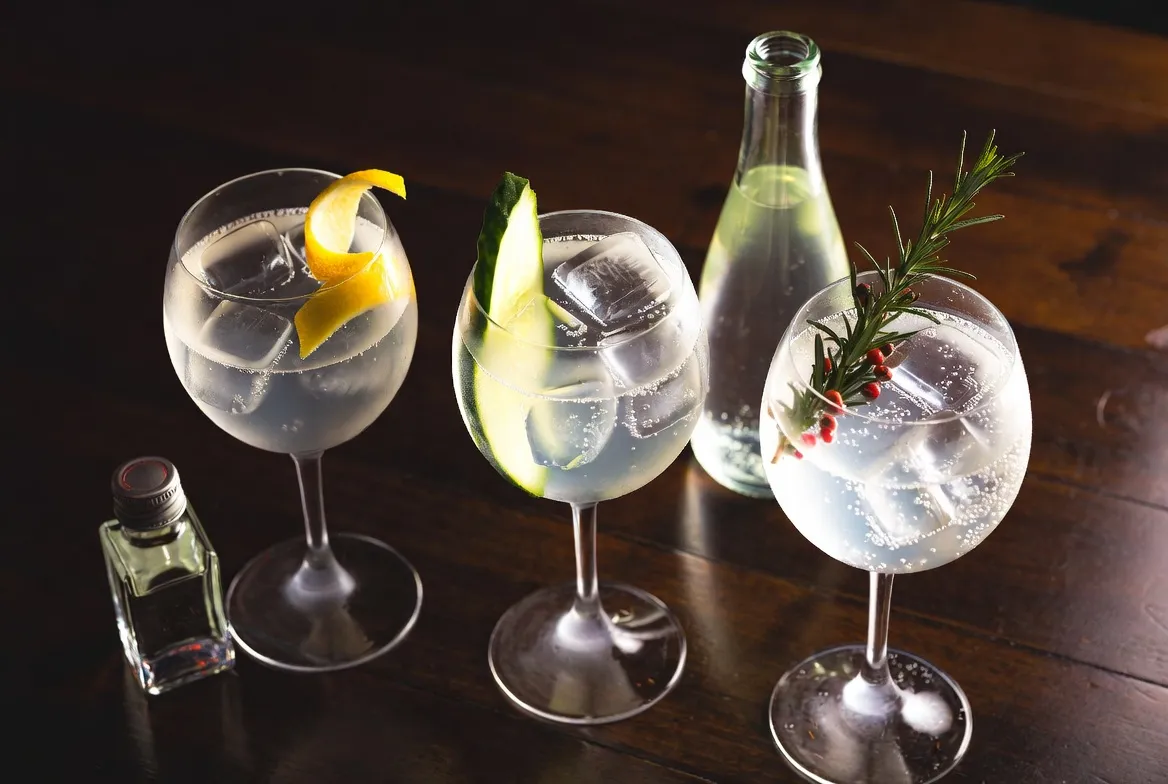
The gin and tonic is supposed to be the easiest cocktail in the world. Two ingredients, one ice, one glass. In practice, the difference between a flat, badly proportioned, room-temperature G&T and a proper one is dramatic - and the proper version takes the same amount of time to make. The trick is getting five small details right. Once you know them, you make consistently good G&Ts forever.
The five elements
A great gin and tonic depends on:
- The right glass
- The right ice
- The right ratio
- The right tonic
- The right garnish
Each one matters more than people realize. Here’s how to handle each.
1. The glass
The traditional British highball is fine but suboptimal. The Spanish-style copa (a large balloon-shaped wine glass on a stem) is the better choice and has become the global standard at serious bars since the early 2010s.
Why the copa works:
- Larger volume means more ice and more dilution time before the drink warms. A typical copa holds 500-600ml; a typical highball holds 300-400ml.
- The wide bowl concentrates the aromatic gin botanicals near your nose with each sip. Aroma is most of flavor; the copa amplifies it.
- The stem keeps your hand off the bowl, preventing the warmth of your fingers from heating the drink.
If you don’t own copa glasses, a large wine glass works almost as well. A standard highball is acceptable. Avoid small tumblers or rocks glasses - they don’t have enough volume to make a properly diluted G&T.
2. The ice
This is the single biggest mistake home bartenders make. Cocktail-quality G&Ts use large quantities of large ice cubes. Most home freezer ice is small, slightly old, and absorbs freezer odors.
The rules:
-
Fill the glass with ice. Not three cubes, not five. Fill it so the ice is visible above the rim before you pour anything in. The melt rate of a packed glass of ice is dramatically slower than a glass with gaps.
-
Use large cubes when possible. Large ice (2-3cm cubes or spheres) melts more slowly than small cubes because the surface-area-to-volume ratio is lower. Less melting means less dilution and a longer-cold drink.
-
Use fresh ice. Old ice from your freezer absorbs whatever else is in there - garlic, fish, last week’s curry. Empty your ice tray weekly and make fresh ice for cocktails. Or buy bagged cocktail ice from a supermarket for special occasions.
-
Use filtered water if your tap water tastes bad. Ice is 100% water by mass, and if your water has a noticeable mineral taste, your ice will too.
3. The ratio
The classical British G&T uses a 1:2 ratio - 50ml gin to 100ml tonic. The Spanish style uses 1:3 or 1:4 - 50ml gin to 150-200ml tonic. The right ratio depends on the gin and your preference.
General guidance:
-
For classical London Dry (Tanqueray, Beefeater, Plymouth): use 1:2 to 1:3. These gins have enough character to stand up to relatively little tonic.
-
For contemporary or floral gin (Hendrick’s, Roku, The Botanist): use 1:3 to 1:4. The more delicate botanicals get easily overwhelmed by tonic; you want enough tonic to dilute and lengthen but not enough to drown the gin.
-
For navy strength gin (Plymouth Navy, Sipsmith VJOP): use 1:3 to 1:4. The higher proof means you need more tonic to balance.
Start at 1:3 (50ml gin, 150ml tonic) if you’re unsure. Adjust to taste from there.
4. The tonic
The tonic water matters as much as the gin. A great gin in mediocre tonic produces a mediocre drink. Three things matter in tonic water:
Quinine content. Real quinine (from cinchona bark) gives tonic its characteristic bitter edge. Some cheap tonics use synthetic quinine or reduce quinine to almost zero, producing a sweet flavor that’s closer to bitter lemonade than to traditional tonic.
Sweetness level. Mainstream tonics (Schweppes, Canada Dry) tend to be quite sweet. Premium tonics (Fever-Tree, 1724, Three Cents) are typically less sweet, letting the gin’s botanicals show more clearly.
Carbonation. Stronger carbonation = a livelier drink. Tonic loses carbonation fast - use it within 24 hours of opening a bottle, and use small bottles (200ml) rather than large bottles whenever possible.
Specific recommendations:
- Fever-Tree Indian Tonic Water - the global default for premium G&Ts. Balanced, moderately bitter, works with almost any gin.
- Fever-Tree Mediterranean Tonic - lighter, more floral, paired specifically with herb-and-citrus gins.
- 1724 Tonic - higher quinine, more bitter, suited for juniper-forward classical gin.
- Three Cents Aegean Tonic - lighter and more aromatic, Greek brand gaining traction.
- Fentimans Tonic - more bitter, more herbal, polarizing but excellent with certain gins.
Avoid: bottom-shelf Schweppes (too sweet), Canada Dry (functional but uninteresting), supermarket own-brand tonics (variable quality), diet tonics (artificial sweeteners ruin the drink).
5. The garnish
The garnish matters more than people think because gin’s flavor is largely aromatic - what you smell while you drink. The right garnish amplifies the gin’s existing character; the wrong garnish fights it.
For classical London Dry: A wide strip of lemon peel, expressed (squeezed over the drink to release oils, then dropped in). Simple, traditional, works with anything classical.
For Hendrick’s: A slice of cucumber. This is the official garnish and it actually works - Hendrick’s contains cucumber distillate, so a cucumber slice reinforces what’s already there.
For Plymouth Gin: A wedge of pink grapefruit. The slight sweetness of the gin pairs beautifully with grapefruit’s bitterness.
For Spanish-style G&Ts: Bold botanical garnishes - rosemary sprig, pink peppercorns, juniper berries, dried orange peel. Pick a garnish that echoes one of the gin’s primary botanicals.
For Roku or other Japanese gin: A strip of yuzu peel (if you can find it) or grapefruit peel; a single sansho pepper berry.
For Australian gin: Lemon myrtle leaf if available, otherwise lemon peel and a few pink peppercorns.
General garnish principle: Pick one or two garnishes that complement the gin’s specific botanicals. Avoid loading the drink with five different garnishes - that’s restaurant theater, not flavor enhancement.
One critical technique: Express citrus peel over the drink before dropping it in. Hold the peel skin-side-down over the glass, then twist firmly. You’ll see a tiny spray of citrus oils land on the drink’s surface. This is the actual flavor; the peel itself is mostly decoration after expressing.
The build technique
Now combining all five elements:
-
Pre-chill your copa glass. Five minutes in the freezer is ideal; otherwise, fill it with ice and water for two minutes while you set up the rest of your ingredients, then dump it out.
-
Fill the glass with ice. Pack it tightly - ice above the rim. If using large cubes, four or five large cubes; if using small cubes, fill until the cubes are packed densely with no large gaps.
-
Pour the gin. 50ml, directly over the ice.
-
Stir briefly. Three or four turns with a long bar spoon. This pre-chills the gin and pre-dilutes very slightly.
-
Pour the tonic. Slowly, down the side of the glass at a 45-degree angle, to preserve carbonation. 100-200ml depending on your chosen ratio.
-
Don’t stir again after the tonic. Any agitation drives out carbonation and flattens the drink. The gin and tonic will mix themselves through the ice.
-
Express the garnish. Hold your citrus peel over the glass, twist, drop it in.
-
Serve immediately. A G&T is at its best in the first three minutes. Don’t let it sit.
The five common mistakes
If your home G&T isn’t tasting as good as one at a serious cocktail bar, it’s almost certainly one of these:
Mistake 1: Not enough ice. Three or four cubes in a tall glass means the drink warms quickly and gets watery. Fill the glass.
Mistake 2: Cheap tonic water. A £20 bottle of gin and a 50p mixer = a mediocre drink. Buy good tonic.
Mistake 3: Stirring after the tonic goes in. Kills the carbonation. Don’t do it.
Mistake 4: Wrong ratio. Too much tonic = a sweet, watery drink. Too little tonic = an undiluted gin-and-bitter. Find the right ratio for your gin (start at 1:3).
Mistake 5: Not expressing the citrus peel. The peel oils are most of the garnish’s contribution. Twist before you drop.
The honest truth
A properly made gin and tonic at home, using good ingredients and the technique above, costs roughly £3-4 to make (assuming a mid-shelf gin and premium tonic). A bartender’s version at a cocktail bar costs £12-18. The home version is genuinely as good as the bar version - sometimes better, because you can use exactly the gin and tonic you want.
The only thing the cocktail bar provides that you can’t easily replicate at home is the large clear ice. If you make G&Ts regularly, buying a single large-cube ice tray (about £15 on Amazon) is the highest-ROI bar tool purchase you can make.
Once you have the technique, focus on the gin you use. The G&T is the showcase drink for whatever gin you’ve bought - a great gin shines, a bad gin gets exposed. Use this drink to taste through your collection. You’ll learn which gins you actually like much faster than tasting them neat.
Adjacent reading
How to Garnish a Gin Cocktail: Beyond the Lime Wheel
Garnish provides most of a cocktail's aroma, and aroma is most of flavor. How to match garnishes to your gin's botanicals - and the common mistakes.
Stirred or Shaken: When to Use Each Cocktail Technique
James Bond was wrong. Here's the actual rule for when to stir a cocktail and when to shake it, why it matters, and what each technique does to the drink.
The Best Gins for a Gin and Tonic: A Bottle for Every Mood
The gins that make the best G and T, from bold classics to aromatic sippers, plus the tonic, ice and garnish that matter as much as the bottle.