Cocktails
The Last Word: The Equal-Parts Classic That Came Back From the Dead
A Prohibition-era gin cocktail reborn - equal parts gin, green Chartreuse, maraschino and lime. The recipe, the balance that makes it work, and the technique.
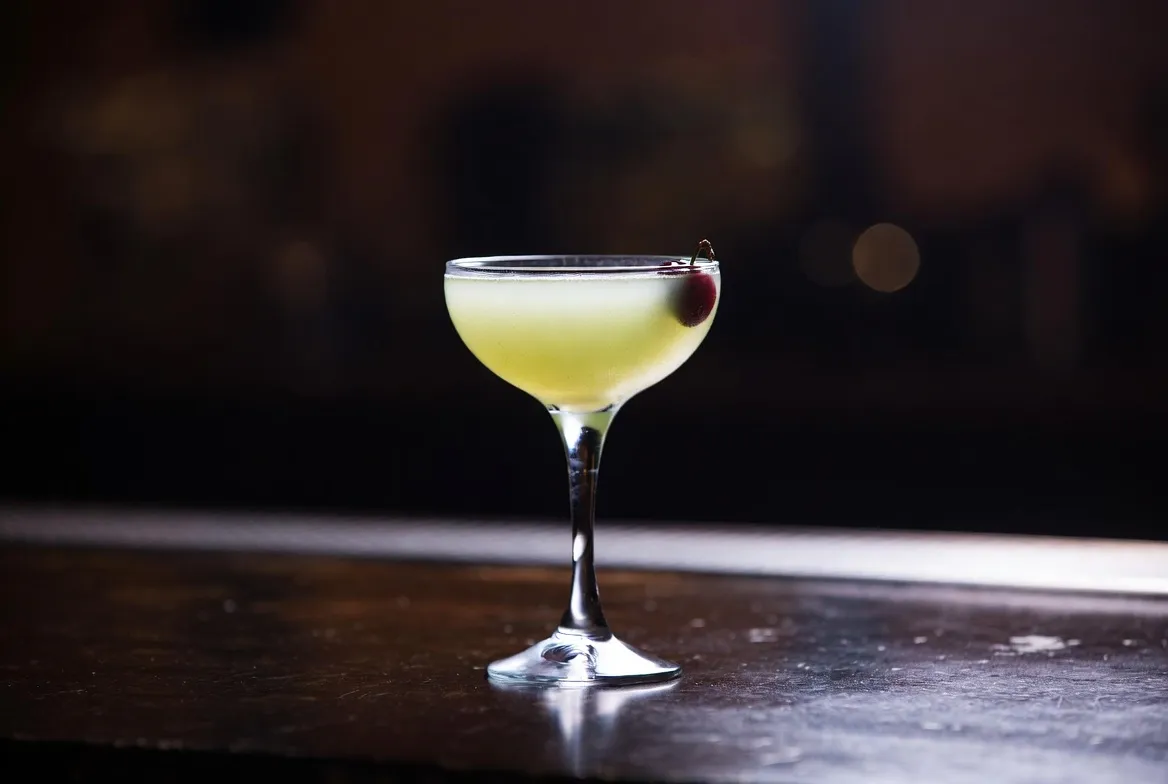
The Last Word is proof that a great cocktail can vanish for the better part of a century and come back to conquer. Born in Detroit before Prohibition, forgotten for decades, and revived in a Seattle bar in the early 2000s, it is now one of the most beloved modern-classic gin cocktails - a herbal, complex, jewel-green drink built on one of the most elegant ideas in mixology: four ingredients in perfectly equal measure. It looks intimidating and tastes sophisticated, but it is genuinely simple to make once you have the bottles.
A little history
The Last Word dates to around 1916 and the Detroit Athletic Club, where it was reputedly introduced by a vaudeville performer named Frank Fogarty. It appeared in print in the 1950s but had largely disappeared from bars by then, a casualty of Prohibition and changing tastes. Its revival is one of the great cocktail-renaissance stories: in the early 2000s, the Seattle bartender Murray Stenson came across the old recipe and put it on the menu at the Zig Zag Café, where it caught fire among bartenders and spread across the country and then the world. Today it is a fixture of any serious cocktail bar.
Part of what makes the Last Word beloved among bartenders is its structure. It is an equal-parts cocktail - four ingredients in identical measure - which makes it easy to remember and has inspired a whole family of drinks built on the same template.
The recipe
Equal parts of everything, shaken and served up:
- 22.5ml (¾ oz) gin
- 22.5ml (¾ oz) green Chartreuse
- 22.5ml (¾ oz) maraschino liqueur
- 22.5ml (¾ oz) fresh lime juice
Method. Add all four ingredients to a shaker with plenty of ice. Shake hard for 10-15 seconds until well chilled. Double strain (through the shaker strainer and a fine sieve) into a chilled coupe. Serve straight up, no garnish needed, though a cocktail cherry is traditional.
The colour is a pale, luminous green from the Chartreuse - one of the prettiest drinks in the canon.
The balance that makes it work
On paper, the Last Word should not work. Green Chartreuse is a powerful, high-strength (around 55% ABV) herbal liqueur made by monks to a secret recipe of 130 botanicals - assertive enough to dominate almost anything. Maraschino is an intense, funky cherry-stone liqueur. Either could bulldoze a drink. The genius of the equal-parts formula is that they hold each other in check: the Chartreuse’s herbal power is balanced by the maraschino’s sweetness and the lime’s acidity, with the gin providing a clean spine underneath. Nothing wins, and the result is complex, herbal, tart, and remarkably harmonious.
This balance depends on using the right ingredients. Green Chartreuse is essential - the yellow version is milder and sweeter and makes a different, lesser drink. Luxardo is the standard maraschino. And the lime must be fresh; bottled juice throws the whole delicate balance off.
Common mistakes
Using yellow Chartreuse. It has to be green. Yellow is softer and sweeter and the drink loses its herbal backbone.
Bottled lime juice. In an equal-parts drink this exposed, the difference between fresh and bottled lime is the difference between bright and dull. Always fresh.
Not shaking hard enough. The drink needs proper chilling and a little dilution to soften the intensity of the Chartreuse and maraschino. Shake with plenty of ice until the shaker is frosted.
Skipping the double strain. Shaking leaves ice shards; a fine strain gives the clean, silky texture the drink deserves.
Variations worth knowing
The equal-parts template has spawned a whole family. Swap the gin for rye whiskey and you get the Final Ward. Swap in mezcal, yellow Chartreuse, and lime with Aperol for the Naked and Famous. The Paper Plane (bourbon, Aperol, Amaro Nonino, lemon) uses the same equal-parts logic. Once you understand the Last Word, you understand a whole category of modern cocktails.
It is also a natural companion to the Aviation - both are pre-Prohibition gin cocktails built on maraschino liqueur, so if you have the bottle for one, you are halfway to the other.
The verdict
The Last Word is the drink to make when you want to impress without much effort. It looks and tastes sophisticated - herbal, complex, beautifully balanced, and a gorgeous luminous green - yet it is nothing more than four equal measures shaken with ice. The only barrier is stocking green Chartreuse and maraschino, which are not cheap, but both are cornerstone bottles that unlock dozens of other cocktails. Get them, remember the equal-parts formula, use fresh lime, and you can make one of the great modern classics any time you like. Few cocktails offer so much reward for so little technique.
Adjacent reading
A Reader's Heirloom Cocktail: The Mystery of the Pink Bronx
A reader found a gin cocktail in his grandfather's old bartending book. We trace it back to the Bronx, one of the great lost gin cocktails, and make it.
The Ramos Gin Fizz: The Towering Cloud of a New Orleans Classic
New Orleans' famous cloud-topped gin fizz - gin, citrus, cream and orange flower water. The recipe, the legendary long shake, and how to build the foam.
The Singapore Sling: The Tropical Gin Classic, Done Properly
The vivid red gin classic born at Raffles Hotel - gin, cherry liqueur and pineapple in a tall tropical sling. The real recipe, not the sugary tourist version.