Reviews JPN
Roku Gin: Suntory's Six-Botanical Bet on Japanese Identity
The Osaka-made gin that brought sakura, yuzu, and sansho pepper to the international market. Production, palate, and where it actually sits.
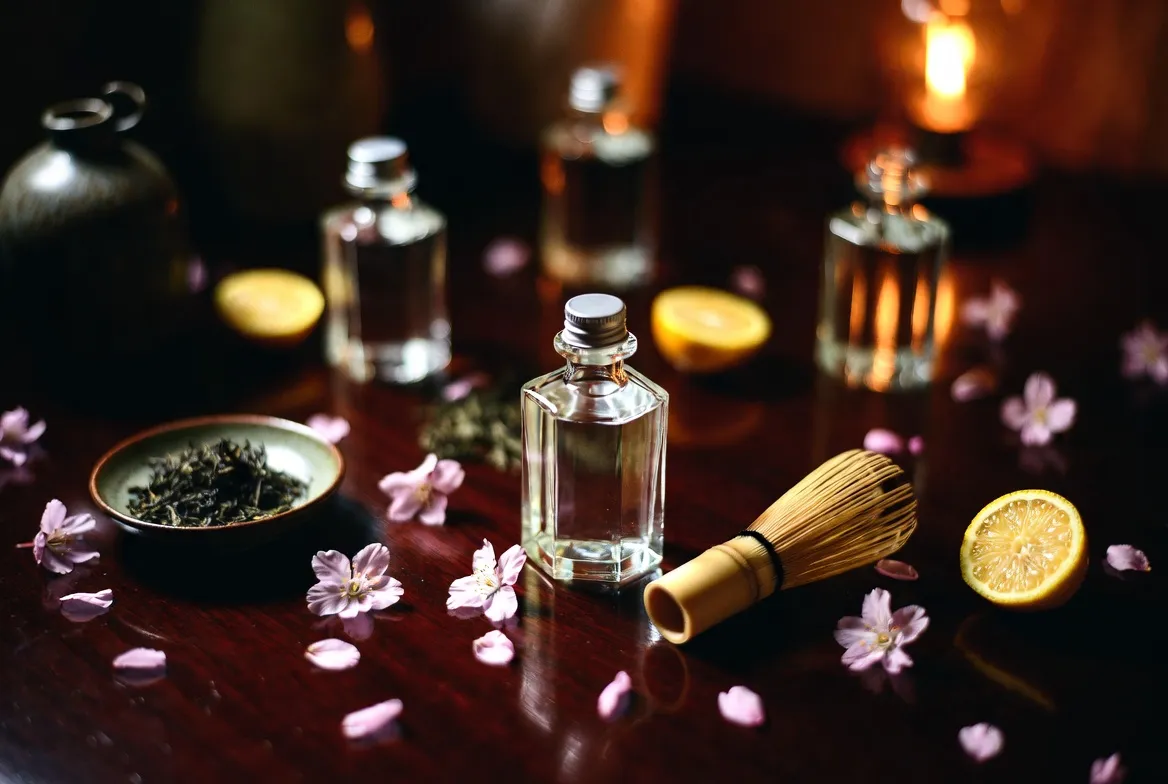
Roku is the gin Suntory uses to argue that Japanese gin is a category, not a curiosity. Launched in Japan in July 2017 and rolled out internationally from 2018 onward, Roku takes the established gin format and folds in six botanicals that don’t appear in any European gin tradition. The proposition is straightforward: traditional gin foundation, distinctly Japanese seasonal character on top. Whether it delivers on that proposition depends on what you actually want a gin to do.
The production
Roku is distilled at Suntory’s Liquor Atelier in Osaka. Suntory itself dates back to 1899, founded by Shinjiro Torii, and is best known internationally as the producer of Yamazaki, Hibiki, and Toki whiskies. Roku is the company’s first internationally significant gin (Suntory has made gin since 1936, but earlier products were domestic-only).
The recipe combines fourteen botanicals: six Japanese, eight traditional. The Japanese six give the gin its identity:
- Sakura flower (cherry blossom)
- Sakura leaf
- Yuzu peel (Japanese citrus, more aromatic than European citrus)
- Sencha tea (steamed green tea)
- Gyokuro tea (shade-grown premium green tea)
- Sansho pepper (Japanese pepper, related to Sichuan pepper but milder)
The eight traditional botanicals include juniper, coriander, angelica seed and root, cardamom, cinnamon, bitter orange peel, and lemon peel. Standard London Dry-style supporting cast.
What makes Roku’s production distinctive is the multi-still approach. Suntory uses several different pot stills - vacuum stills for delicate botanicals like sakura flower (which heat-sensitive distillation would destroy), stainless steel stills for citrus, traditional copper for the heavier roots and spices. Each botanical is distilled separately to optimize its extraction, then blended together. This is more labor-intensive than the single-still approach used by most volume gin producers and lets Roku preserve the delicate floral and tea character that single-pass distillation would degrade.
The result is bottled at 43% ABV in a distinctive six-sided bottle with washi paper label - the bottle’s geometry references the meaning of the name (Roku = six in Japanese).
What it tastes like
Suntory’s official description focuses on the floral-citrus character: “cherry blossom and green tea provide a floral and sweet aroma; complex, multi-layered, yet harmonious flavour of various botanicals; traditional gin taste in the base, plus characteristic Japanese botanical notes with yuzu as the top note.”
Reviewers tend to converge on a few specific notes:
- Yuzu is the dominant top note. More aromatic and complex than lemon, less acidic. This is the first thing most drinkers register.
- Sansho pepper gives a tingling finish. Not heat exactly, but a slight numbing-tingling sensation on the lips and tongue that’s characteristic of the Japanese pepper.
- The tea botanicals are subtle. Gyokuro and sencha contribute texture and a slight grassy depth rather than overt tea flavor.
- Cherry blossom is more aromatic than tasted. You smell sakura on the nose; you don’t really taste it. This is appropriate - actual cherry blossom is a fragrance more than a flavor.
- Juniper is present but recessive. This is a contemporary gin in profile, not a juniper-forward London Dry.
The overall character: bright, floral, slightly perfumed, with that distinctive sansho tingle on the finish. Easy to identify in a blind tasting, hard to confuse with European gin.
How it sits in the market
Roku occupies a specific competitive position: super-premium price, distinctly non-European character, broad distribution. The retail price is typically £30-35 in the UK, $35-45 in the US, $40-50 in Iceland and Nordic markets. That places it above Tanqueray No. Ten (£28-32) and below Monkey 47 (£45-50) - premium but not super-premium.
The competition for shelf space:
-
Ki No Bi (Kyoto Distillery) is Roku’s most direct Japanese competitor. Ki No Bi launched in 2016, slightly before Roku, and is generally regarded as the more refined product. But Ki No Bi is harder to find outside major markets, while Roku is widely distributed thanks to Suntory’s global infrastructure.
-
Hendrick’s competes on the “different from London Dry” position. Both gins use unusual botanicals to differentiate from traditional gin. The character is completely different - Hendrick’s is cucumber-and-rose, Roku is yuzu-and-sansho - but they’re solving the same marketing problem.
-
The Botanist competes on complexity. The Botanist uses 22 botanicals to Roku’s 14, similarly emphasizing herbal-floral character. The two work for similar drinking occasions.
For someone choosing between these four, the practical question is what character you want. Roku for yuzu-led brightness. Ki No Bi for the most refined Japanese expression. Hendrick’s for cucumber-floral. The Botanist for general herbal complexity. There’s no “best” - they’re solving different problems.
What to do with it
Gin and tonic. Roku’s best presentation. Use a light tonic (Fever-Tree Indian or 1724) and garnish with sansho pepper plus a strip of yuzu peel if you can find it (otherwise grapefruit peel works). Avoid heavy elderflower or rose garnishes - they fight the existing botanical character. Avoid lime - the citrus profile clashes with yuzu rather than complementing it.
Martini. Works well, particularly with a slightly higher vermouth proportion (4:1 gin to vermouth) and a yuzu twist instead of olive. The result is more aromatic than a classical martini and pairs particularly well with sushi or other Japanese food.
Negroni. Doesn’t work. The bitter Campari fights the floral elements, and the sansho finish gets lost. Use a juniper-forward gin (Tanqueray, Beefeater) for negronis and save Roku for drinks where its character can lead.
Roku Highball. Suntory’s preferred cocktail format - Roku, soda water, ice, yuzu peel garnish. Lighter than a G&T, more refreshing in hot weather, and the simplicity lets the gin’s character show without interference.
Neat. Try once at room temperature to learn the botanical profile, but not really how the gin wants to be consumed long-term. Roku is built for mixed drinks rather than neat sipping.
The honest verdict
Roku is a well-made, distinctive, internationally-distributed gin that succeeds at its main marketing goal: making Japanese botanical character available to drinkers who want to taste something other than European gin. The yuzu-sansho profile is genuinely Japanese, not invented marketing, and it produces drinks that taste recognizably different from anything European producers make.
The weaknesses: it’s more expensive than its quality strictly justifies, the international supply chain means freshness varies between batches, and the contemporary profile means it’s not versatile enough to be a home bar workhorse. Roku is a character gin, not a default gin.
If you already have a London Dry on the shelf and want to add a second bottle that does something genuinely different, Roku is a defensible choice. If you can find Ki No Bi at a similar price point, that’s the more refined Japanese expression and probably the better purchase. But Roku is far more widely distributed and consistent in supply, which is its real competitive advantage.
For Japanese food pairing, summer drinking, or anyone curious about what gin tastes like when made from sakura and sansho rather than orris and angelica, the bottle earns its place. Don’t make it your only gin - but don’t dismiss it either.
Tagged
Adjacent reading
Gin Mare: The Mediterranean Gin That Started a Whole Style
Gin Mare is the Mediterranean benchmark - savoury and herbal, built around olive, rosemary, thyme and basil. How it tastes, and the drinks it transforms.
Plymouth Gin: England's Oldest Gin and Its Own Soft Style
England's oldest working gin distillery, and a style all its own - softer and earthier than a London Dry. Production, palate, and its great classic Martini.
Gordon's: An Honest Look at the World's Best-Selling Gin
The world's best-selling gin, reviewed without snobbery. Production, palate, its lower 37.5% strength, and why it belongs in a G and T not a Martini.