World AUS
Australian Gin: A Continental Distillation Boom Built on Native Botanicals
Lemon myrtle, finger lime, pepperberry, anise myrtle. How Australia built a distinctive gin tradition from ingredients that grow nowhere else.
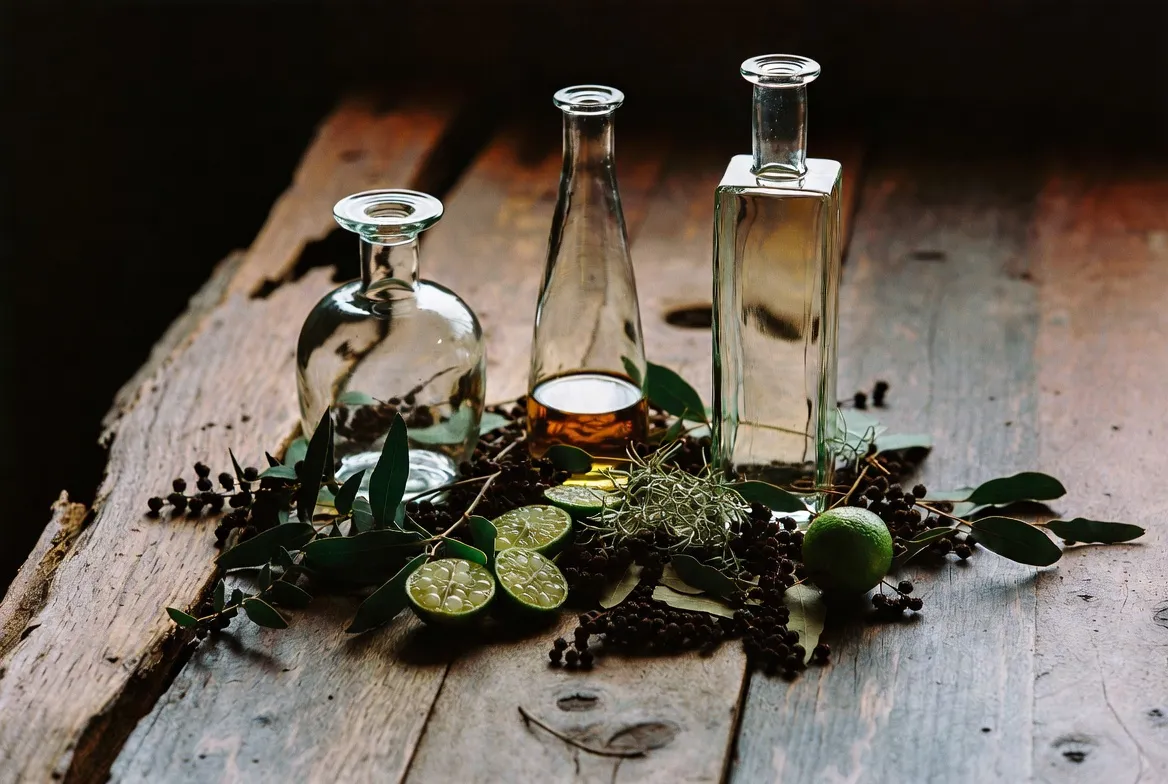
Australian gin emerged from almost nothing into a serious international category in roughly fifteen years. In 2010, the country had perhaps a dozen small gin distilleries and minimal international presence. By the mid-2020s, Australia produces some of the most botanically distinctive gins in the world, has won category-defining international awards, and exports to most major markets. The story is partly about regulatory change (Australian distilling laws relaxed in the early 2000s), partly about a generation of distillers willing to experiment, and largely about a unique advantage no other gin-producing country has: native botanicals that don’t grow anywhere else.
The native botanical advantage
Australia’s biogeographic isolation - it separated from other continents around 35 million years ago - produced flora that’s genuinely unique. Many Australian plants have culinary properties no European, Asian, or American plant shares. For gin producers, this is a remarkable resource:
-
Lemon myrtle (Backhousia citriodora). A native rainforest tree from New South Wales and Queensland. The leaves have intense citrus character - more concentrated than European lemon, with a slightly floral edge. Used dried or fresh in distillation. Often described as having more citral than actual lemon does.
-
Finger lime (Citrus australasica). A native Australian citrus with elongated fruit containing pearl-like vesicles of juice. The pearls have a slightly different flavor profile than European lime - more aromatic, slightly more acidic, with hints of grapefruit. Often used as a garnish but also distilled.
-
Pepperberry (Tasmannia lannceolata). A Tasmanian native with strong peppery heat - sharper and longer-lasting than black pepper. Used in small quantities; a little goes a long way.
-
Anise myrtle (Syzygium anisatum). Another rainforest tree, with leaves that produce strong anise-licorice character. Distilled gives a slight Pernod-like depth to gins.
-
Bush tomato (Solanum centrale). A native fruit with caramel-and-sun-dried-tomato character.
-
Wattleseed (Acacia spp.). Native acacia seeds with coffee-and-cocoa character when roasted.
-
Mountain pepper, native juniper, river mint, lemon-scented gum, blue gum eucalyptus. Various other native plants used in smaller quantities.
These ingredients give Australian gin producers something other countries’ distillers can’t have: a botanical palette that’s genuinely impossible to replicate elsewhere. A French producer can grow Mediterranean herbs; an Australian producer can grow plants that exist nowhere else in commercial cultivation.
The producers that defined the style
Four Pillars (Yarra Valley, Victoria)
Founded in 2013 by Stuart Gregor, Cameron Mackenzie, and Matt Jones. Located in the Yarra Valley wine region outside Melbourne. Generally regarded as the producer that legitimized Australian gin internationally.
Four Pillars’ approach: classical gin foundations (juniper, coriander, angelica) combined with Australian botanicals (lemon myrtle, Tasmanian pepperberry, citrus rinds from local farms). They produce several core expressions:
- Rare Dry Gin - the flagship, balanced and accessible
- Bloody Shiraz Gin - Rare Dry steeped with Yarra Valley Shiraz grapes, producing a deep red-pink gin with grape character
- Navy Strength - 58.8% ABV, with additional juniper concentration
- Spiced Negroni Gin - designed specifically for the negroni format
Four Pillars won “International Gin Producer of the Year” at the International Wine and Spirits Competition multiple times in the late 2010s, which essentially established the international credibility of the Australian gin category.
Archie Rose Distilling Co. (Sydney, New South Wales)
Founded in 2014 by Will Edwards. Based in Rosebery, an industrial neighborhood of Sydney. Operates as a multi-spirit distillery (also makes whisky, vodka, rum), but the gin program is particularly developed.
Archie Rose’s distinctive offering is bespoke gin - customers can specify their own botanical combinations from a list of options, and the distillery produces a custom bottling. This has built a notable enthusiast community. The standard releases (Signature Dry Gin, Native Botanical Gin) showcase Australian ingredients - the Native Botanical version is heavy on lemon myrtle, river mint, and blood lime.
Husk Distillers (Tumbulgum, New South Wales)
A family-operated distillery in the Northern Rivers region of NSW. Known for Ink Gin, which uses butterfly pea flower to produce a striking purple-blue color that changes to pink when citrus is added. Beyond the visual trick (which is real - butterfly pea pigment is genuinely pH-sensitive), Ink is a credible gin with botanical complexity. The visual change is most dramatic with lemon juice or tonic.
Brookie’s (Byron Bay, New South Wales)
Made by Cape Byron Distillery. Brookie’s Byron Dry uses 25+ botanicals, most native to the Byron Bay hinterland - macadamia, lilly pilly, native juniper, and aniseed myrtle. The signature gin is the Byron Dry; a navy strength and a “Mac” expression (with macadamia) round out the range. The distillery is set on a 100-acre macadamia farm.
The West Winds (various locations)
Originally a Margaret River-based distillery; production now distributed across Western Australia. Notable for the Sabre (juniper-forward) and the Cutlass (navy strength) bottlings. Uses Wattleseed and bush tomato in distinctive ways.
Other notable producers
The Australian gin scene has grown to include hundreds of small distilleries. Other producers worth knowing include Never Never Distilling (Adelaide Hills, particularly the Triple Juniper expression), Applewood (Adelaide Hills), Poor Toms (Sydney), and Manly Spirits (Sydney - oceanic-themed gins).
What Australian gin tastes like
The category isn’t unified - producers vary substantially in style - but several characteristics show up consistently:
Bright citrus that isn’t European citrus. Lemon myrtle gives an intense lemon character without the European lemon peel profile. The result tastes citrus-forward but recognizably different.
Eucalyptus and bush undertones. Native eucalyptus or aniseed myrtle is common, giving gins a slightly medicinal-herbal character that European drinkers often describe as “Australian” without being able to name the specific botanical.
Pepper heat. Pepperberry, when used, produces a finish that’s longer and more persistent than European pepper.
Less juniper-dominant than London Dry. Most Australian producers position juniper as one of many botanicals rather than the leading character. There’s a parallel here with American craft gin’s tendency toward citrus-forward profiles.
Floral notes. Native flowers like wattle, riberry, and lilly pilly contribute floral character that’s more rainforest than European garden.
How Australian gin sits internationally
Several practical considerations:
Pricing. Australian gin is generally expensive in international markets due to shipping and tariff costs. A bottle of Four Pillars retails for £35-45 in the UK, $50-65 in the US - typically 20-30% more than equivalent UK or European craft gins.
Availability. Has improved significantly since 2018-2019. Four Pillars and Archie Rose are now stocked by serious cocktail bars and specialist retailers in most major Western markets. Smaller Australian producers are harder to find outside specialty stores.
Pairing problems. The distinctive native botanicals don’t always work well with established cocktail templates designed for European gin. An Australian gin made with eucalyptus and pepperberry can struggle in a classical negroni or a martini designed around juniper-led character. Many work best in cocktails specifically designed around their profile - the “Australian Negroni” variations, modern signature drinks built by the producers themselves.
Cultural identity. Australian gin producers have been notably effective at building a coherent national identity around their category. The native-botanical positioning is genuinely distinctive, not just marketing, and the category has earned a serious reputation among international bartenders.
What to try
For someone wanting to taste the Australian style, three bottles cover the spectrum:
- Four Pillars Rare Dry - the most internationally available Australian gin and the most balanced introduction to the style
- Brookie’s Byron Dry - showcases more aggressive use of native botanicals; tastes more distinctly Australian
- Archie Rose Native Botanical - the most experimental option, with strong river mint and lemon myrtle
A representative Australian Gin and Tonic: Four Pillars in a copa glass, light tonic, garnished with a sprig of fresh rosemary, a few pink peppercorns, and a small piece of lemon myrtle leaf if you can find it. Otherwise lemon peel substitutes adequately.
The honest verdict
Australian gin is the most genuinely distinctive new gin tradition to emerge in the past two decades. The native botanical advantage is real - no other country can produce gins with the same flavor profile because the ingredients only grow in Australia. This isn’t marketing - it’s basic biogeography.
The category’s weaknesses: it’s expensive in international markets, it doesn’t always work in classical cocktails, and the small producer pool means consistent supply can be a problem.
The category’s strengths: genuine innovation, real terroir, a clear philosophical position about what Australian gin should taste like, and producers who treat their native botanicals with the seriousness those ingredients deserve.
If you’re building a gin shelf and want one bottle that genuinely tastes different from European gin, an Australian bottle is one of the most defensible choices. Four Pillars is the safest starting point. Brookie’s or Archie Rose if you want to go deeper into the native botanical character.
Australia has done in fifteen years what took Britain three centuries - built a coherent national gin tradition. That’s worth tasting.
Adjacent reading
Indian Gin and the New Asian Craft Wave
India produces the cardamom, coriander, and citrus for gin worldwide. Why it took until the 2020s to make its own, and which producers matter.
American Craft Gin: A Continental Style in Five Regions
Why the American gin renaissance happened so late, the five regional schools that emerged, and which producers actually built something distinct.
Irish Gin: Botanicals From the Atlantic Edge
Ireland's gin scene has exploded, built on native botanicals and Atlantic character. The distilleries, the style, and the Irish bottles worth seeking out.