Guides
How to Garnish a Gin Cocktail: Beyond the Lime Wheel
Garnish provides most of a cocktail's aroma, and aroma is most of flavor. How to match garnishes to your gin's botanicals - and the common mistakes.
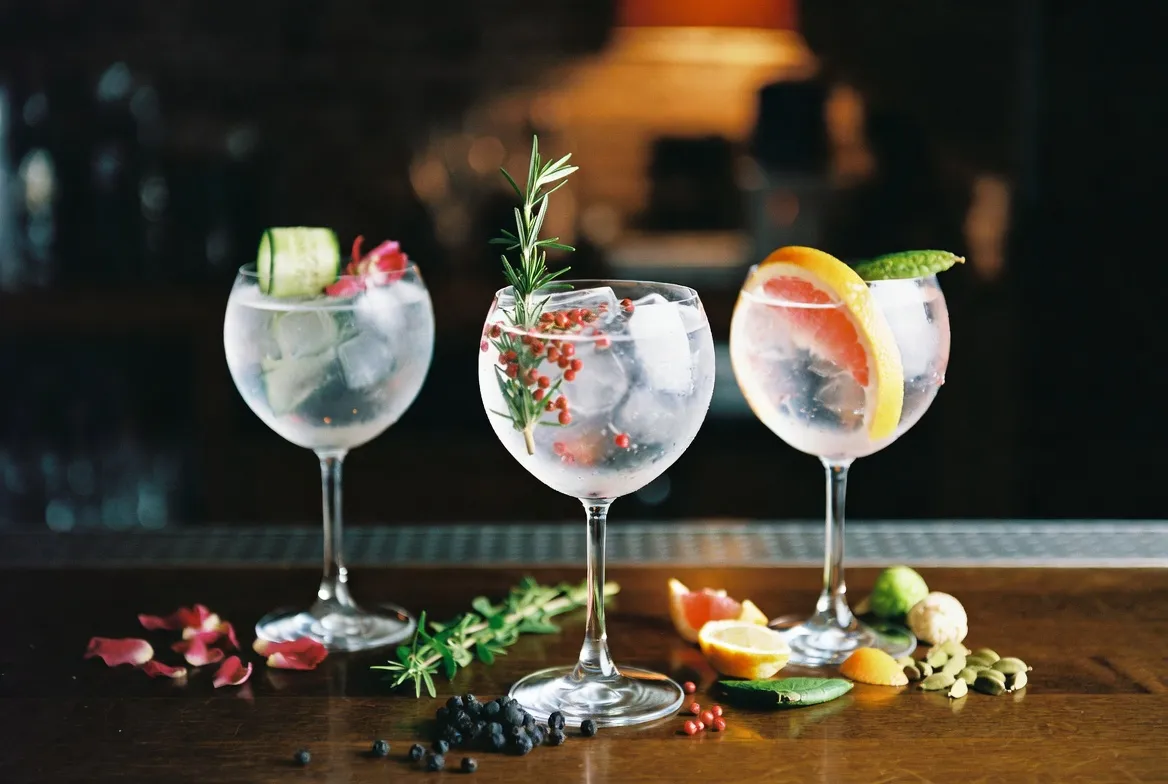
The lime wheel was never the right garnish for most gin cocktails. It became the default through laziness rather than design - bartenders in the mid-20th century needed a garnish that worked for everything, and a wheel of lime on the rim was the cheapest, fastest option. The result was decades of identical-looking gin drinks regardless of which gin was inside. Contemporary cocktail culture has rediscovered something the Spanish bartenders never forgot: the garnish on top of a drink provides most of its aroma, and aroma is most of its flavor. Choosing the right garnish for your gin makes a much bigger difference to the drink than people realize.
Why garnish matters more than you think
When you take a sip of a cocktail, what your tongue actually tastes is fairly limited: sweet, sour, salty, bitter, umami, and a few texture and temperature elements. Most of what you “taste” is actually smell - aromatic compounds rising from the drink, entering your nose, and being interpreted by your brain as flavor.
In a gin and tonic specifically:
- About 80% of the perceived flavor comes from aromatics
- About 20% comes from actual taste
The garnish sits at the top of the drink, releasing aromatics directly into your face with every sip. A well-chosen garnish amplifies what’s already in the gin. A badly-chosen garnish either fights the gin or adds nothing.
This is why two identical G&Ts garnished differently can taste like meaningfully different drinks.
The matching principle
The core rule of garnish selection: pick a garnish that contains one or two of the gin’s primary botanicals. The garnish doesn’t add new flavor - it reinforces what’s already there.
This is also why “match the brand suggestion” usually works. Hendrick’s tells you to garnish with cucumber because Hendrick’s contains cucumber distillate; the cucumber slice on top reinforces the gin’s existing cucumber character. Plymouth historically pairs with citrus and cardamom because the gin contains both. These aren’t marketing - they’re the producers identifying which garnishes amplify their gin’s actual character.
For gin you don’t have brand guidance on, look at the bottle label or the producer’s website for the botanical list. Pick a garnish that contains one of the primary botanicals.
The garnish categories
Citrus peels and slices
The most versatile category. Every gin has at least one citrus botanical (typically lemon or orange peel), so citrus garnish reinforces that.
- Lemon peel - works with almost any classical London Dry. The default safe choice.
- Orange peel - works with gins that use orange botanicals (Beefeater, Plymouth, Tanqueray, most contemporary gins).
- Pink grapefruit peel - excellent with Plymouth Gin, also works with Sipsmith. Brings a slight bitterness that works with juniper.
- Lime peel - traditionally used in gin and tonic, but actually less universal than lemon. Use with caution; lime fights some gin profiles.
- Yuzu peel (Japanese citrus) - the perfect garnish for Roku and other Japanese gins. Hard to source outside specialty shops; pink grapefruit substitutes.
Peel vs wheel vs slice: The peel (just the outer layer of skin, no white pith) is what carries the aromatic oils. Wheels and slices include juice, which mixes into the drink but doesn’t add much aromatic character. For gin cocktails, peel beats wheel almost every time.
Herbs
Herbs add green, leafy aromatic notes that pair well with contemporary gin styles.
- Rosemary sprig - excellent with Mediterranean-style gins (Gin Mare, herbal craft gins). Slap the sprig once between your hands before adding to release oils.
- Thyme sprig - works with herbal-forward gins, less common but effective.
- Basil - pairs with Italian-style gins or Mediterranean herbal gins. Fresh leaves only, never dried.
- Mint - useful for summer drinks and Moroccan-style preparations. Don’t use with juniper-forward gin (mint fights juniper).
- Lemon myrtle leaf - the proper Australian garnish if you can source it; substitutes lemon peel + bay leaf otherwise.
Whole spices
Spice garnishes work with gins that emphasize spice botanicals.
- Pink peppercorns (drop 3-5 into the glass) - works with almost any gin. The mildest pepper, with light citrus notes alongside the heat.
- Black peppercorns - work with classical London Dry; the bitterness pairs with juniper.
- Green cardamom pods (lightly crushed, drop 1-2 in) - excellent with Indian craft gins, also works with Plymouth and any gin using cardamom.
- Star anise (one whole star) - dramatic visual, works with Mediterranean and Asian-style gins.
- Juniper berries (3-5 in the glass) - the obvious choice for juniper-forward gins. Reinforces what’s already there. Crush very lightly to release oils.
- Sansho pepper - traditional with Japanese gins; uncommon outside Japan, can use pink peppercorn as substitute.
Edible flowers and unusual ingredients
For visual interest and occasional flavor:
- Dried hibiscus flower - works with gins using hibiscus or fruit botanicals. More color than flavor.
- Edible rose petals - traditional with rose-based gins; visual rather than flavor contribution.
- Cucumber slice or ribbon - the Hendrick’s garnish. Works with any cucumber-using gin.
- Fresh ginger slice - works with spice-forward gins, especially Indian craft styles.
What to avoid
- Maraschino cherries from a jar - bright red, artificially sweet, ruined many cocktails for many years. If a recipe calls for a cherry, use a Luxardo cherry from a jar of natural marasca cherries.
- Dried fruit as garnish (dehydrated orange wheels, etc.) - they look pretty in photos but add no aroma and contribute almost no flavor. Skip them.
- Multiple garnishes loading the drink - a glass with six different botanicals on top is restaurant theater. Two garnishes maximum for a properly considered cocktail.
- Olives in gin cocktails other than martinis - olives belong in martinis and a few specific savory cocktails. Don’t put them in G&Ts or other gin drinks.
The technique for citrus peel
The single most important garnish technique to learn: how to express citrus peel properly. This is what bartenders do automatically but most home drinkers skip.
The steps:
-
Use a vegetable peeler (Y-shape works best) to remove a strip of peel from the citrus. Aim for 2-3cm long, 1cm wide. Avoid the bitter white pith underneath.
-
Hold the peel skin-side-down (yellow/orange side facing the drink) about 4-5cm above the glass.
-
Pinch firmly between thumb and forefinger. You’ll see a small mist of citrus oil spray onto the drink’s surface. If you don’t see it, the peel was too dry or you didn’t squeeze hard enough.
-
Optionally rim the glass with the peel (rub the colored side around the rim of the glass to deposit oils there).
-
Drop the peel into the drink as decoration.
That spray of oils in step 3 is the actual garnish. The peel sitting in the drink afterward is mostly decoration. Skipping step 3 means losing 90% of what the garnish was supposed to contribute.
How to slap herbs
For herbs (rosemary, thyme, mint), the equivalent technique is “slapping”:
- Take the herb sprig in one open palm.
- Bring your other palm down on top of it with moderate force - like a slow clap with the herb between your hands.
- You’ll smell the herb release oils immediately.
- Drop the slapped sprig into or onto the drink.
This breaks the herb’s cell walls and releases the volatile oils. Without slapping, herbs look pretty but contribute very little aroma.
How to use whole spices
For peppercorns, cardamom, juniper berries:
- For pepper, drop whole into the drink - 3-5 berries.
- For cardamom, crack the pod gently with the flat of a knife before dropping in. The cracked pod releases more aroma than a whole intact one.
- For juniper berries, crush very lightly between fingers (one or two finger-pinches per berry) before adding.
The goal is breaking the surface of the spice slightly to let aromatics escape, without completely pulverizing it.
Practical garnish guide by gin
For quick reference:
| Gin | Primary garnish | Secondary option |
|---|---|---|
| Tanqueray | Lemon peel | Pink grapefruit peel |
| Beefeater | Orange peel | Lemon peel |
| Plymouth | Pink grapefruit | Cardamom pod |
| Hendrick’s | Cucumber slice | Rose petal |
| Tanqueray No. Ten | Pink grapefruit | Fresh basil leaf |
| Monkey 47 | Lemon peel | Lingonberries (if available) |
| Roku | Yuzu peel or pink grapefruit | Sansho or pink pepper |
| Ki No Bi | Yuzu peel | Sansho pepper |
| The Botanist | Lemon peel | Rosemary sprig |
| Gin Mare | Rosemary sprig | Black olive (Spanish style) |
| Bombay Sapphire | Lemon peel | Lime peel |
| Four Pillars | Pink grapefruit | Pink peppercorns |
| Stranger & Sons | Green cardamom pod | Lemon peel |
| Hapusa | Black peppercorns | Lemon peel |
The five common garnish mistakes
-
Defaulting to lime wheel for every gin. Lemon peel is the better default for classical gin. Lime works for some contemporary gins but isn’t universal.
-
Not expressing citrus peel before dropping. The peel contributes almost nothing without the oil-release step.
-
Using dried/wilted herbs. Herbs lose oils fast once cut. Use fresh sprigs only; if your rosemary is brown, it’s dead.
-
Over-garnishing. A glass with six garnishes is restaurant theater. Two garnishes maximum.
-
Using maraschino cherries from a jar of red dye. Real Luxardo cherries (or any natural marasca product) are worth the upgrade. The bright red ones don’t belong in serious cocktails.
The simple system
If this all feels like too much to remember, follow this simple system for any gin you’re working with:
- Look at the bottle’s botanical list (usually on the back label or producer’s website)
- Identify one or two botanicals you have access to in your kitchen
- Use those as your garnish
Bottle says cucumber? Cucumber slice. Bottle says cardamom? Cardamom pod. Bottle says nothing specific? Lemon peel.
That’s the entire garnish philosophy: amplify what’s already there. The rest is just learning your specific gin collection and matching garnishes to each. After two or three months of paying attention, the right garnishes become automatic.
A well-garnished gin cocktail isn’t just prettier than a badly-garnished one - it actually tastes better. The drinks at serious cocktail bars are noticeably more flavorful than the same drinks at indifferent bars largely because of garnish technique. Bring that technique home and your G&Ts level up immediately.
Adjacent reading
How to Make a Proper Gin and Tonic at Home
The right glass, the right ice, the right ratio, the right tonic, the right garnish. Five elements that separate a great G&T from a bad one - explained simply.
Stirred or Shaken: When to Use Each Cocktail Technique
James Bond was wrong. Here's the actual rule for when to stir a cocktail and when to shake it, why it matters, and what each technique does to the drink.
The Best Gins for a Gin and Tonic: A Bottle for Every Mood
The gins that make the best G and T, from bold classics to aromatic sippers, plus the tonic, ice and garnish that matter as much as the bottle.