World IND
Indian Gin and the New Asian Craft Wave
India produces the cardamom, coriander, and citrus for gin worldwide. Why it took until the 2020s to make its own, and which producers matter.
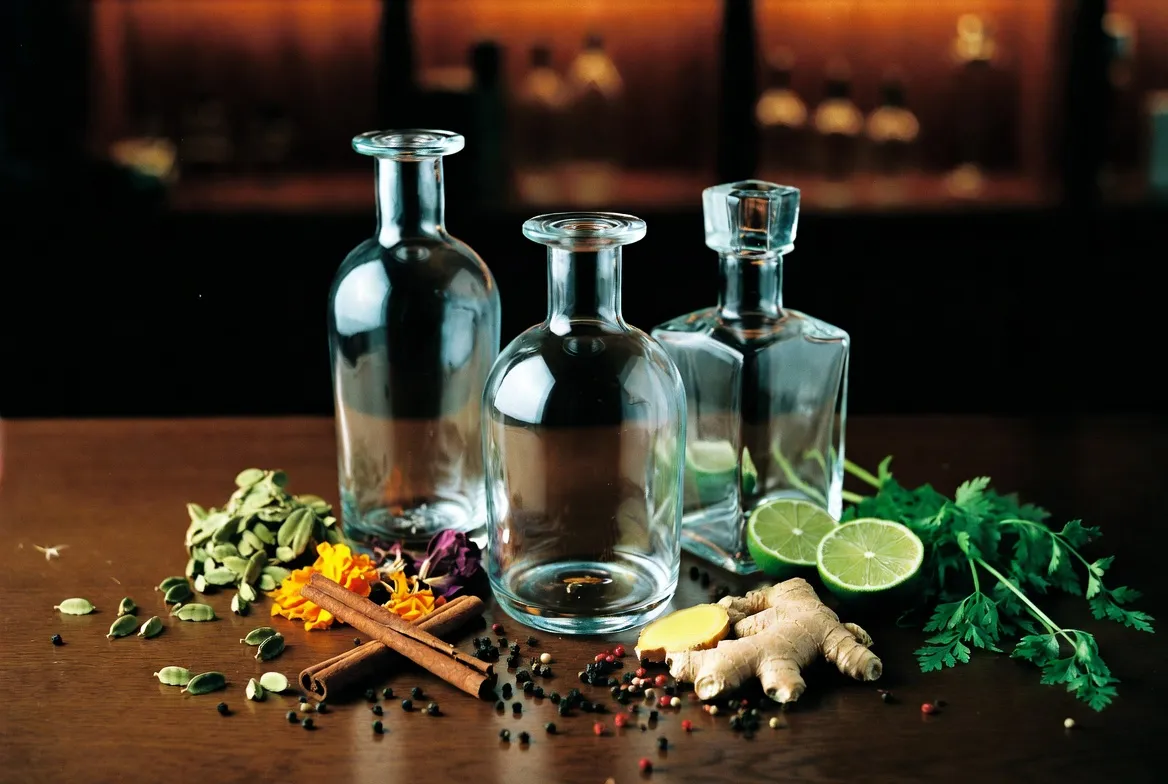
India is one of the world’s largest producers of the botanicals that go into gin - cardamom, coriander, cassia, citrus peels, various pepper varieties, exotic flowers. For most of the 20th century, the country imported finished gin (often from Britain) while exporting the raw ingredients. The recent shift toward Indian-made craft gin is one of the more interesting developments in global spirits: a country with unparalleled access to gin’s defining ingredients is finally building its own production tradition. The Indian gin scene is small but growing rapidly, and the best producers are making spirits that taste genuinely Indian rather than imitations of European styles.
Why the late start
Several reasons India didn’t develop a gin tradition until recently:
Colonial drinking culture. During British rule, gin was associated with the colonial administration. After independence in 1947, gin (like many imported spirits) was something Indian society maintained an ambivalent relationship with - widely consumed by certain social classes, but not seriously produced domestically.
Regulatory constraints. Indian alcohol law is fragmented across states, with significant tax differences and licensing complexity. Until recent regulatory simplifications, starting a small craft distillery was prohibitively expensive and slow.
Whisky dominance. India is the world’s largest whisky-consuming country (by volume). Most domestic alcohol production focused on whisky-style spirits made from molasses (a different product from Scotch-style malt whisky, though confusingly often called “whisky” in the Indian market). Premium spirits production concentrated on this category, leaving gin underserved.
Quality standards. Until the 2010s, the small amount of domestic Indian gin was generally low-quality - made from neutral grain spirit, minimal botanicals, designed for cheap mixed drinks. There was no established quality tier.
These constraints began loosening in the late 2010s. Several states (Goa, particularly) developed more permissive licensing regimes for small distilleries. A new generation of Indian entrepreneurs with international training in spirits saw the opportunity. The first wave of serious Indian craft gin began launching from around 2017 onward.
The botanical opportunity
What makes Indian gin potentially interesting: the country has botanical access that European producers can only approximate.
Cardamom. India produces both green and black cardamom in serious commercial quantity. Kerala (south India) is the world’s largest source of green cardamom; the spice is fresher and more aromatic when used near its source.
Coriander. Both seed and leaf, in multiple regional varieties. Indian coriander has different aromatic character than the Eastern European coriander used in most European gins.
Citrus. Indian limes (smaller and more aromatic than Persian limes), kaffir lime, several indigenous citrus varieties that don’t appear in European production.
Pepper. India is the world’s largest producer of black pepper and Tellicherry pepper (a premium variety grown in Kerala). Some Indian gins use black pepper as a primary botanical.
Tulsi (holy basil). Religious and culinary plant used widely in India. Increasingly used in craft gin for its distinct aromatic character.
Mango. Used in some craft gins as both flavoring and source of base spirit (mango wine distillate as a gin base).
Indigenous flowers. Marigold, hibiscus, lotus, jasmine - flowers used in Indian cooking and aromatic traditions but rarely in European spirits.
This botanical inventory is part of what makes Indian gin genuinely distinctive when producers commit to using local ingredients rather than imitating European recipes.
The producers that matter
Greater Than Gin (Goa)
Founded in 2018 by Anand Virmani and Vaibhav Singh, originally under the Nao Spirits brand. Operates from a distillery in Goa - a former Portuguese colony with relatively permissive spirits regulations. Greater Than was India’s first internationally-recognized craft gin.
Recipe: nine botanicals including juniper (imported from Italy), coriander seed (from Rajasthan), chamomile, cardamom, fennel, lemongrass, ginger, and almond. The result is a relatively classical, balanced gin with subtle Indian character. Often the gateway gin for international drinkers wanting to taste the Indian style.
Hapusa Himalayan Dry Gin (Goa, also Nao Spirits)
A second product from Nao Spirits. The name “hapusa” is Sanskrit for juniper. Distinguishing feature: uses Himalayan juniper (Juniperus communis grown in the Himalayan foothills) rather than imported European juniper. This is the only commercial gin in the world using Himalayan juniper as the primary juniper source.
Hapusa’s botanical lineup includes Himalayan juniper, Indian coriander, turmeric, mango, gondhoraj lime (a Bengali lime variety with distinctive aroma), ginger, almond, cardamom, and tea. The character is genuinely distinctive - earthier and more complex than European-style gins, with strong mango and tea notes alongside the unfamiliar juniper.
Hapusa won “Best Indian Gin” at the International Spirits Challenge in 2020 and helped legitimize the entire Indian craft gin category internationally.
Stranger & Sons (Goa)
Founded in 2018 by Sakshi Saigal, Vidur Gupta, and Rahul Mehra. Stranger & Sons positions itself as celebratory Indian gin - using local botanicals with playful naming and packaging. The recipe includes nine botanicals: juniper, mace, nutmeg, coriander, cassia bark, gondhoraj lime, lemon, orange, and angelica root.
The product has gained international distribution and is often cited as one of the most accessible introductions to Indian craft gin.
Jin Jiji (Goa)
Founded by Anand Virmani (co-founder of Nao Spirits / Greater Than). Jin Jiji is a higher-end Indian gin focused on international markets - notably the US, where it has built modest distribution. Uses Indian botanicals (cardamom, coriander, lemon, tulsi) but produced and bottled in Goa.
Pumori (Himalayas)
A smaller producer based in Himachal Pradesh, named after a Himalayan peak. Uses high-altitude botanicals including Himalayan rhododendron, Himalayan juniper, and various Tibetan-region herbs. Limited international availability but represents an interesting niche of Himalayan-focused Indian gin.
Terai (Goa)
Made by Globus Spirits. A more mass-market Indian gin that has achieved international distribution. Uses 11 botanicals including ginger, cardamom, lemongrass. Less artisanal than Stranger & Sons or Greater Than but more widely available outside India.
What Indian gin tastes like
The category isn’t unified, but several characteristics show up consistently in serious Indian craft gins:
Cardamom and coriander forward. Both ingredients are stronger and fresher than in European gins where they’re imported. The result is more aromatic depth in the middle of the palate.
Distinct citrus character. When Indian limes are used (gondhoraj lime particularly), the citrus character is more aromatic and complex than European lemon-lime-orange.
Tea or tulsi accents. Indian gins frequently use tea or holy basil for aromatic complexity. The result is a slight herbal quality that European gins don’t replicate.
Less juniper-dominant. Most Indian producers use less juniper proportionally than London Dry, allowing other botanicals to lead. Hapusa is an exception, with Himalayan juniper as a primary feature.
Smooth, slightly sweet finish. Many Indian gins use mango, almond, or other rounded ingredients that produce a softer finish than the dry, slightly bitter finish of London Dry.
Strong with Indian food. This is perhaps the most useful practical observation. Indian gins pair noticeably better with Indian food than European gins do - the spice profile lines up rather than clashing.
How Indian gin sits internationally
Pricing. Indian gin in international markets is generally £30-45 in the UK, $40-55 in the US, $50-70 in Iceland. Higher than equivalent European gins due to shipping and tax structures.
Distribution. Has improved significantly. Greater Than, Stranger & Sons, and Hapusa are now stocked in serious cocktail bars and specialist retailers in major Western markets. Other Indian producers remain harder to find.
Cocktail compatibility. Indian gins work well in:
- Gin and tonics, particularly with traditional Indian-tonic pairings
- Spice-forward modern cocktails
- Drinks paired with Indian food
They struggle in:
- Classical European cocktails designed for juniper-forward gin
- Negronis where the bitter modifier fights the spice character
What to try
For someone new to Indian gin, three bottles cover the spectrum:
- Greater Than - the most balanced and accessible introduction
- Hapusa - the most distinctly Indian; showcases what Himalayan juniper and turmeric do
- Stranger & Sons - the most cocktail-versatile of the contemporary Indian craft gins
A representative Indian gin and tonic: Greater Than or Stranger & Sons in a copa, light Indian-style tonic (East Imperial makes one specifically), garnish with a strip of fresh ginger, a few green cardamom pods, and a curl of lime peel.
The honest verdict
Indian craft gin is at an earlier stage of development than the American or Australian categories - perhaps where Japanese gin was around 2015 or where American craft gin was around 2010. The producers that matter are doing serious work; the category has clear distinctive character; international recognition is growing.
The challenge for Indian gin internationally is differentiation. Cardamom, coriander, and citrus are gin’s existing main supporting botanicals - the fact that India produces excellent versions of these doesn’t immediately translate to “tastes different from European gin.” The producers using less common ingredients (Hapusa with Himalayan juniper and turmeric, smaller producers with tulsi or marigold) have a stronger case for distinctiveness.
For now, the practical case for Indian gin is twofold:
-
Food pairing. If you eat Indian food regularly, an Indian gin in your home bar will produce better-paired drinks than any European gin can.
-
Tasting the source. Indian botanicals at their source taste fresher and more complex than the same ingredients shipped to European distilleries. An Indian gin gives you a closer-to-source rendering of those flavors.
The category is worth watching. India has the potential to become a major gin-producing country - the botanical access is real, the producer quality is rising, and international distribution is improving. By 2030, “Indian gin” as a recognized category alongside Japanese, Australian, and American craft gin seems probable.
If you’re building your gin shelf to be globally representative, an Indian bottle deserves a place. Hapusa is the most defensibly distinctive choice. Greater Than is the most accessible. Both are serious products that justify their place.
Adjacent reading
Australian Gin: A Continental Distillation Boom Built on Native Botanicals
Lemon myrtle, finger lime, pepperberry, anise myrtle. How Australia built a distinctive gin tradition from ingredients that grow nowhere else.
American Craft Gin: A Continental Style in Five Regions
Why the American gin renaissance happened so late, the five regional schools that emerged, and which producers actually built something distinct.
Irish Gin: Botanicals From the Atlantic Edge
Ireland's gin scene has exploded, built on native botanicals and Atlantic character. The distilleries, the style, and the Irish bottles worth seeking out.