Cocktails
The Martini: Wet, Dry, and the Reverse That Almost Vanished
The simplest cocktail in the world is the hardest to discuss. Three ratios, what each does to the drink, and which one bartenders argue about most.
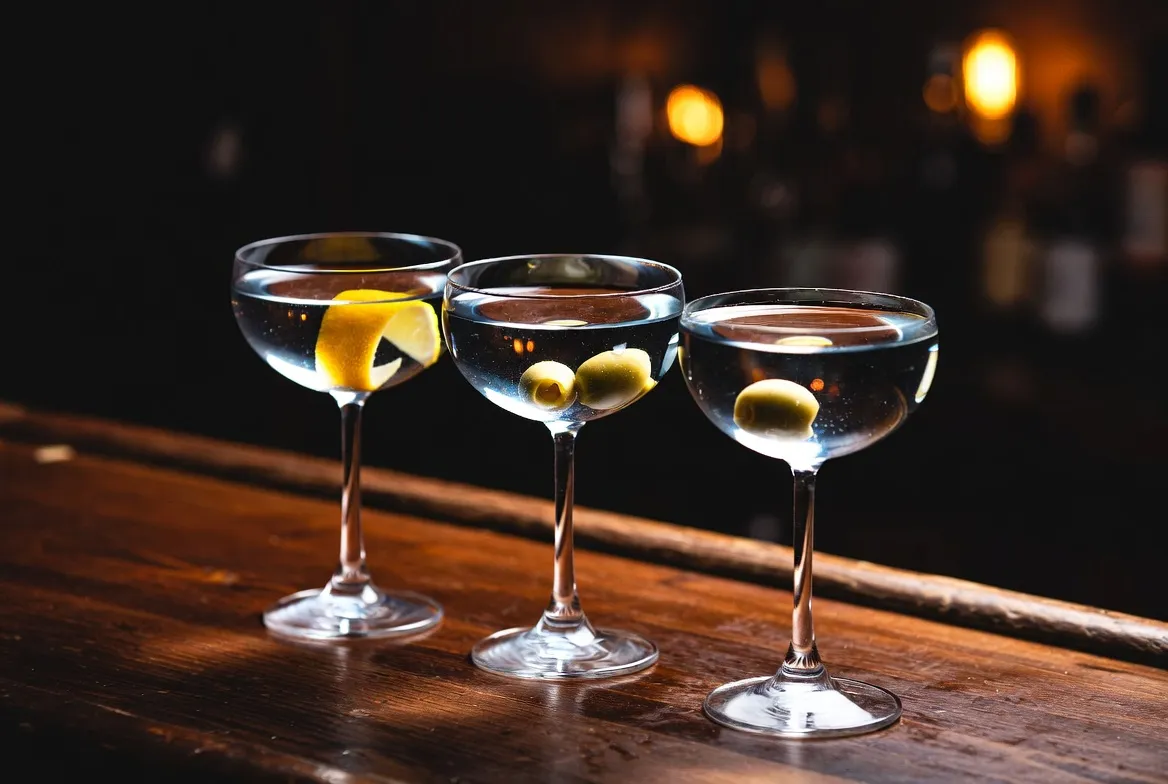
The martini is the simplest drink in the cocktail canon - gin, vermouth, ice, strain, garnish - and probably the most argued-over. The argument isn’t about whether it’s good (it is) or whether it’s important (it is) but about the ratio between the two ingredients. The wrong ratio produces a drink that’s technically a martini but doesn’t taste like one. The right ratio - which varies depending on who you ask and what year you ask them in - produces one of the great cocktails in any tradition. This is a guide to the three main schools and why the argument matters.
The basic format
A martini is gin and dry vermouth, stirred over ice (some say shaken, see below), strained into a chilled coupe or martini glass, and garnished with a lemon twist or a pitted olive. The vodka martini is a separate drink with its own arguments - here we’re discussing the gin martini, the original.
The ingredients matter:
-
The gin. Any London Dry will work. Tanqueray, Beefeater, Plymouth, Sipsmith, or Sipsmith VJOP for spirit-forward versions. Contemporary gins (Hendrick’s, Roku, Gin Mare) can work but produce a different character. A martini made with juniper-forward gin tastes classical; a martini made with contemporary gin tastes like the gin you chose.
-
The vermouth. Dry vermouth - Noilly Prat, Dolin Dry, Martini Extra Dry. Quality matters enormously here because vermouth oxidizes after opening. A bottle that’s been sitting open for two months tastes flat and bitter rather than fresh and herbal. Refrigerate after opening. Replace every 4-6 weeks if you make martinis regularly.
-
The garnish. Lemon twist or olive. A lemon twist gives a citrus-perfumed top to the drink. An olive gives savory depth and a salty character. Both are correct. A “dirty martini” adds olive brine - this is a different drink, and a defensible one if you like it, but not what most bartenders mean by “a martini.”
The three schools of ratio
The wet martini (2:1 to 3:1)
The historical original. The drink as it would have been served in the early 20th century. Two to three parts gin to one part vermouth. Recipe:
- 60ml gin
- 20-30ml dry vermouth
- Lemon twist or olive
This is a drink where the vermouth is genuinely present. You taste the herbal, slightly bitter, slightly sweet character of the vermouth alongside the juniper. The drink is balanced - the gin leads but doesn’t dominate. This is what cocktail historians like Harry Craddock, Jerry Thomas, and the Savoy Cocktail Book documented as a martini.
If you order “a martini, wet” at a serious cocktail bar today, you’ll get something like this. If you order “a martini” without specifying, you almost certainly will not - which is the historical shift.
The dry martini (5:1 to 8:1)
The mid-20th century default. Five to eight parts gin to one part vermouth. Recipe:
- 60ml gin
- 8-12ml dry vermouth
- Lemon twist or olive
The vermouth is present but as an accent rather than an equal partner. The drink is almost entirely about the gin, with the vermouth softening the edge and adding a herbal whisper. This is what most American bars served from the 1950s through the 1990s. It’s also what most people mean when they say “martini” without qualifier today.
The dry martini emerged partly through cultural drift toward stronger drinks (the post-war American cocktail era), partly through the influence of figures like Winston Churchill (who reportedly preferred to “merely glance at the vermouth bottle” while pouring gin) and James Bond (who famously preferred his vodka martini “shaken, not stirred”). By the 1960s, “dry” had effectively replaced “wet” as the default.
The reverse martini (1:2 vermouth to gin reversed - more vermouth than gin)
The variant that almost disappeared. More vermouth than gin. Recipe:
- 30ml gin
- 60-90ml dry vermouth
- Lemon twist
Yes, more vermouth than gin. The reverse martini was championed by figures like Julia Child, who reportedly preferred this format throughout her drinking life, and a small group of cocktail writers who argue that the dry martini’s near-absence of vermouth misses the point of the drink entirely.
The case for the reverse: a martini is supposed to be a balanced cocktail with two ingredients of roughly equal importance. The dry martini essentially eliminates one ingredient, leaving cold gin with a garnish. The reverse goes the other direction - keeping both ingredients meaningfully present, with the vermouth doing more of the work. The result is a lower-ABV, more sippable drink that you can enjoy with food.
Reverse martinis have had a quiet revival in cocktail bars since the early 2010s. They’re particularly suited to aperitivo culture - lower alcohol, more food-friendly, more aromatic. They taste meaningfully different from either wet or dry martinis: more wine-like, more herbal, less spirit-forward.
Stirred or shaken
The Bond line is famously wrong by classical cocktail standards. A gin martini should be stirred, not shaken. The reasoning:
Stirring with ice produces a drink that’s cold, properly diluted, and visually clear. It’s the appropriate technique for drinks made entirely of spirits and vermouth (no citrus juice, no sweeteners).
Shaking with ice produces a drink that’s colder, more diluted, and slightly cloudy from tiny air bubbles. It’s appropriate for drinks with juices or syrups (which need to be properly integrated by the violent agitation of shaking) but not for pure spirit drinks where you want clarity.
A shaken martini isn’t ruined - it’s just slightly more diluted, slightly cloudier, and slightly less elegant than the stirred version. The Bond preference is fictional license, not technique. Real bartenders stir.
The temperature question
A proper martini should be punishingly cold. Cold enough that the glass is frosted, the gin is viscous, and the first sip almost burns from temperature alone. Achieve this through:
-
Pre-chill the glass. Put your coupe or martini glass in the freezer 30 minutes before serving. Frost on the outside is the goal.
-
Stir with plenty of ice. Fill the mixing glass at least three-quarters full of ice cubes. More ice = colder drink faster with less dilution.
-
Stir long enough. Roughly 30 seconds for proper dilution and temperature. Count to thirty. Don’t rush.
-
Strain immediately. Don’t let the strained drink sit warming.
The temperature is part of why martinis are best drunk quickly. A martini that’s been sitting on a table for fifteen minutes is a flat, warm gin-and-vermouth liquid - not the same drink as a freshly-strained one. This is why bartenders argue against drinking martinis slowly or with extended food courses: the drink degrades faster than most cocktails.
The garnish question
Lemon twist vs olive is a real choice that changes the drink.
Lemon twist: Use a vegetable peeler or sharp knife to remove a strip of lemon peel, avoiding the bitter white pith. Hold the peel over the glass and twist firmly - the citrus oils spray onto the surface of the drink, perfuming the gin. Then drop the peel in or rim the glass with it. The lemon twist makes the martini brighter and more aromatic.
Olive: A single pitted green olive, ideally a small Castelvetrano or Manzanilla. Avoid stuffed olives (the stuffing leaks). Don’t use cocktail olives from a jar of brine - the brine alters the drink. The olive makes the martini more savory and slightly more food-like.
Both: Some bartenders serve both, on the theory that the drinker can choose mid-drink. This is a minority preference but defensible.
Onion: A pickled cocktail onion turns the martini into a Gibson. This is a separate drink with its own identity, not really a martini garnish variation.
The proper way to drink one
Order or make a wet or dry martini depending on your preference. Take the first sip while the drink is still freezer-cold. Drink it within ten to fifteen minutes - sooner if possible. Pair with cold food (olives, oysters, smoked fish, hard cheese, almonds) rather than hot food.
If you’re new to martinis, start with a wet martini (3:1) made with Plymouth or Tanqueray, garnished with a lemon twist. This is closer to what the drink originally tasted like and gives you the full character of both ingredients. Move to a drier ratio if you decide you prefer the gin to dominate.
If you’ve been drinking dry martinis for years and they feel one-dimensional, try a wet or reverse martini once. You may find you’ve been drinking a slightly impoverished version of the drink all along.
The honest verdict
The martini is the most polarizing simple drink in cocktail history because it’s not really about ingredients - it’s about ratios. There’s no “correct” martini, but there are martinis that taste better and martinis that taste worse. The 1950s pushed the drink toward drier and drier ratios until vermouth essentially disappeared, and most contemporary bars still default to that style. But the drink doesn’t have to be that way, and there’s strong historical and gastronomic argument for keeping vermouth a real part of the cocktail.
If you only make martinis one way, make them wet. If you want to understand the drink fully, try all three ratios. The reverse martini in particular is genuinely worth knowing - a different drink entirely from the popular version, and a better choice with food. None of these are wrong. Choose what you want from your cocktail.
Adjacent reading
Halloween Gin Cocktails: Spooky Serves That Actually Taste Good
Halloween gin cocktails that look the part and taste great - from an inky black G and T to a glowing witch's brew. The recipes, and how to get the colours right.
A Reader's Heirloom Cocktail: The Mystery of the Pink Bronx
A reader found a gin cocktail in his grandfather's old bartending book. We trace it back to the Bronx, one of the great lost gin cocktails, and make it.
The Ramos Gin Fizz: The Towering Cloud of a New Orleans Classic
New Orleans' famous cloud-topped gin fizz - gin, citrus, cream and orange flower water. The recipe, the legendary long shake, and how to build the foam.