Reviews GBR
Tanqueray: The Four-Botanical London Dry That Defines Classic Gin
The green-bottle benchmark built on just four botanicals. Production, palate, and why it remains the reference gin for a Martini, G and T, and Negroni.
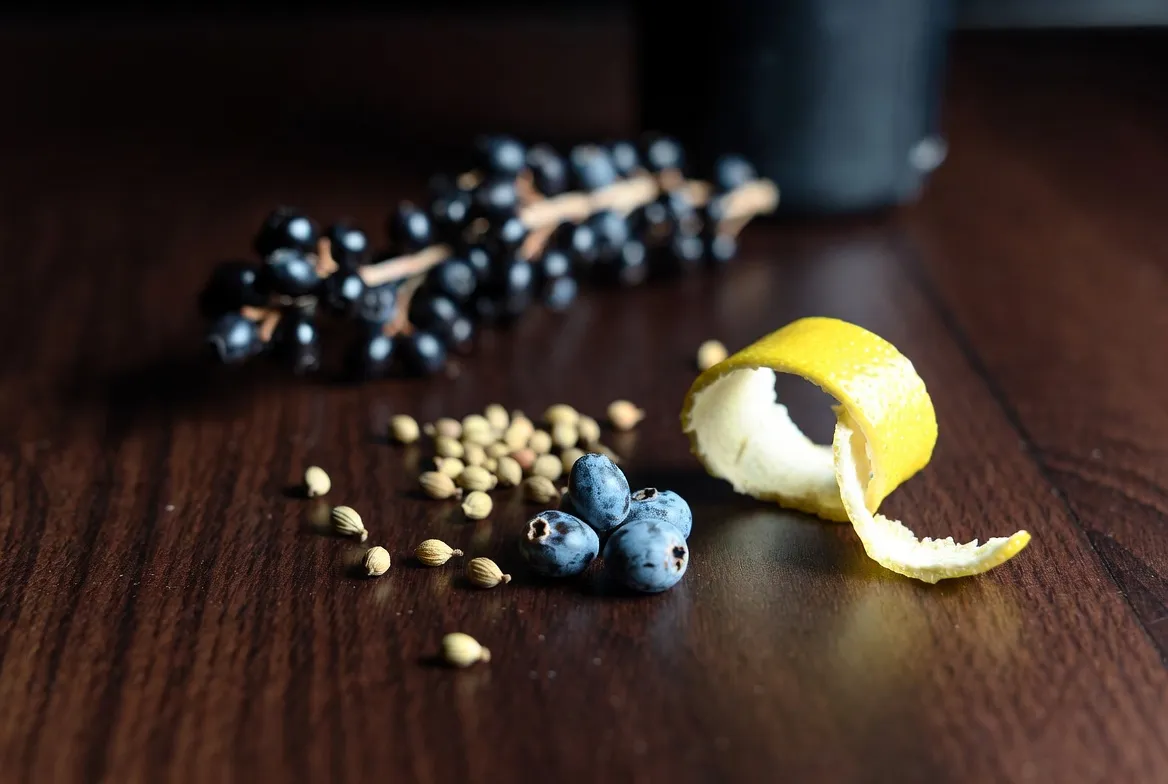
Tanqueray is the gin that proves restraint beats complexity. While much of the modern gin world races to cram in ever more botanicals, Tanqueray has stood on the same spare, uncompromising recipe for the better part of two centuries and remains the reference point for what a classic London Dry should taste like. It is the bartender’s default, the Martini drinker’s safe choice, and one of the few gins that is genuinely hard to fault. If you want to understand what “classic gin” means, this green bottle is where to start.
The production
Tanqueray was created by Charles Tanqueray, who began distilling in Bloomsbury, London, in 1830. The brand is now owned by Diageo, and production long ago moved to Cameron Bridge in Scotland, though the recipe and character have been kept famously consistent. The bottle’s distinctive shape is said to echo a cocktail shaker, and the bright green glass is one of the most recognisable in the spirits aisle.
The recipe is Tanqueray’s defining feature: just four botanicals - juniper, coriander, angelica root, and liquorice. Where a contemporary gin might use twenty or more, Tanqueray uses four and distils them hard and confidently. There is nowhere to hide with a recipe this lean, which is precisely the point. The result is a gin of clarity and focus rather than sprawling complexity.
Tanqueray London Dry is bottled at 43.1% ABV in export and US markets (41.3% in some others), and the extra strength matters - it gives the gin the backbone to carry its juniper through ice, tonic, and cold. Note that Tanqueray No. Ten is a separate, more expensive expression built on fresh citrus and chamomile; this review is of the standard London Dry, the workhorse in the green bottle.
What it tastes like
Tanqueray is intense, dry, and unmistakably juniper-led. It is not a gin that whispers.
- Juniper dominates, cleanly. Pine-forward and assertive, exactly as a London Dry should be, with none of the softness of contemporary gins.
- Coriander and citrus lift. A bright, slightly peppery citrus note keeps the juniper from being austere and gives the gin its crispness.
- The finish is dry and clean. No sweetness, no lingering florals - it finishes sharp and invites the next sip.
- Concentrated rather than complex. With four botanicals there is no clutter; what is there is turned up loud. This is focus, not layering.
The overall character: crisp, dry, powerfully juniper-forward, and precise. It tastes like the platonic ideal of gin, which is why it works as a benchmark against which others are judged.
How it sits in the market
Tanqueray occupies the classic-premium middle - a notch above the value tier in both price and intensity, and widely available everywhere. UK retail is typically £22-26. That places it just above Beefeater and below the character gins.
The competition:
-
Beefeater is the closest classical rival and a touch cheaper. Beefeater is slightly rounder and more citrus-bright; Tanqueray is leaner and more concentrated. Both are superb; the choice is preference, not quality.
-
Bombay Sapphire competes at a similar price from the opposite direction - soft and restrained where Tanqueray is bold. If you find Tanqueray too assertive, Sapphire is the gentler option.
-
Gordon’s sits below on price and intensity; Tanqueray is the clear step up from it.
For someone choosing a single classical gin that excels in cocktails, Tanqueray is one of the best answers on the market. It is not trying to be unusual; it is trying to be definitive, and it succeeds.
What to do with it
Martini. One of the best Martini gins at any price. The concentrated, dry juniper survives the brutal chill of a Martini where softer gins fade to nothing, producing a clean, classical, textbook drink. Stir, garnish with a lemon twist or olive, done.
Gin and tonic. Excellent and dependable. The bold profile cuts straight through any tonic; a simple lime or lemon wedge is all it needs. A benchmark G and T.
Negroni. A bartender favourite for this drink. The assertive juniper stands up to Campari and sweet vermouth where delicate gins get buried. A default-tier Negroni gin.
Any classic cocktail. Gimlet, Tom Collins, gin sour, Aviation - Tanqueray’s classical backbone handles the whole canon without complaint. It is a true workhorse.
The honest verdict
Tanqueray is close to the perfect classical gin, and one of the safest recommendations in all of spirits. Its four-botanical recipe is a lesson in doing less, better: crisp, dry, powerfully juniper-forward, and superb across the cocktails that define gin. It does not offer the novelty of a character gin or the softness of a contemporary one - that is not its job. Its job is to be the standard, and it has been for nearly two centuries.
The only reason not to make it your house gin is if you specifically want something softer or more unusual. For everyone else, and especially for Martinis and Negronis, Tanqueray is as close to a can’t-go-wrong bottle as gin gets. Buy it without hesitation; it is the reference for good reason.
Tagged
Adjacent reading
Gordon's: An Honest Look at the World's Best-Selling Gin
The world's best-selling gin, reviewed without snobbery. Production, palate, its lower 37.5% strength, and why it belongs in a G and T not a Martini.
Tanqueray No. Ten: The Premium London Dry, Explained
The fresh-citrus variant of the classic gin, distilled with whole grapefruits and chamomile in a small still. How Tanqueray No. Ten became the bartender's choice.
Bombay Sapphire: The Vapour-Infused Gin That Built the Modern G and T
The blue bottle that made gin approachable for a generation. Vapour infusion, the ten-botanical recipe, and where it actually earns its place.