Guides
What Does Gin Actually Taste Like? A Guide for the Curious
What gin really tastes like, from the piney hit of juniper to citrus, spice and florals. The flavours to expect, why styles differ, and how to taste it.
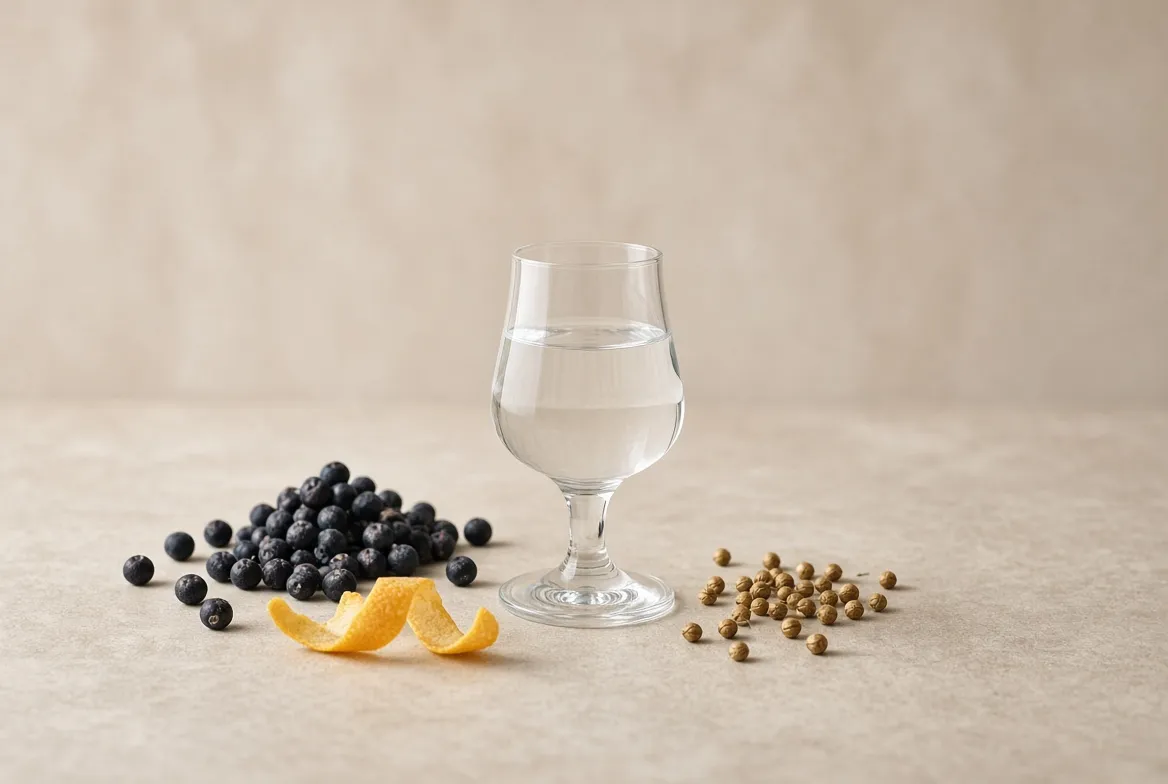
“What does gin actually taste like?” is one of the most common questions people have before they try it, and it is a fair one - gin has a reputation for a strong, distinctive flavour that puts some people off before they have really given it a chance. The honest answer is that gin tastes of its botanicals, led by the piney, aromatic note of juniper, and that modern gin is far more varied and approachable than its old reputation suggests. This is a guide to what gin really tastes like, and how to taste it properly.
The one flavour that defines gin: juniper
If gin has a single signature taste, it is juniper. By law, juniper must be the predominant flavour in any gin - it is what makes a gin a gin. Juniper is the small berry (actually a cone) of an evergreen shrub, and it tastes piney, resinous, and fresh, with a slightly peppery edge. If you have ever smelled a pine forest or a Christmas tree, you already know the core of what juniper brings. That bright, foresty, aromatic quality is the backbone of every gin.
For some people, that piney note is exactly the appeal; for others, it is the thing that seems intense at first. The good news is that juniper is balanced by other flavours, and how much it dominates varies hugely from gin to gin.
The supporting flavours
Beyond juniper, gin is flavoured with a range of botanicals that give each one its character. The common ones you will taste:
- Citrus. Most gins include lemon or orange peel, giving a bright, zesty freshness that lifts the juniper. This is often the second thing you notice.
- Spice. Coriander seed brings a warm, slightly citrusy spice; cardamom, cinnamon, and pepper add aromatic warmth in some gins.
- Earthy and floral notes. Angelica and orris root give a subtle, earthy depth, while some gins add floral botanicals like rose or elderflower for a softer, perfumed quality.
- The unusual ones. Contemporary gins might bring cucumber, yuzu, tea, or local botanicals, taking the flavour in distinctive directions.
So a sip of gin is really a blend: the piney hit of juniper first, then citrus brightness, warm spice, and whatever other botanicals the distiller has chosen, all woven together.
Why gins taste so different from each other
This is the thing most newcomers do not realise: gins vary enormously. A bold, classic London Dry like Tanqueray tastes sharply of juniper and citrus - crisp and dry. A contemporary gin like Hendrick’s tastes soft and floral, of cucumber and rose, with juniper in the background. A Japanese gin like Roku tastes of yuzu and a tingling pepper. They are all gin, but they taste remarkably different.
So “what does gin taste like?” does not have one answer. If you tried a gin once and did not like it, there is a very good chance a different style would taste completely different to you. The piney intensity you might associate with gin is just one end of a wide spectrum.
What gin tastes like in a drink
Few people drink gin neat, and it tastes quite different once mixed. In a gin and tonic - the most common way to drink it - the tonic adds sweetness and a gentle bitterness, and the ice and bubbles lighten everything, so the gin’s botanicals come through as refreshing and aromatic rather than intense. The result is crisp, bittersweet, and botanical, with the juniper and citrus lifted by the tonic. In a cocktail like a Martini or Negroni, the gin tastes bolder and more spirit-forward. The mixer and the serve change the experience as much as the gin itself.
How to taste gin properly
If you want to actually understand what a gin tastes like, try this. Pour a small amount neat into a glass, add a tiny splash of water (which opens up the aromas), and smell it first - much of flavour is aroma, and you will pick up the juniper, citrus, and other botanicals on the nose. Take a small sip and let it sit on your tongue, noting what you taste: the piney juniper, the citrus, any spice or sweetness, and how it finishes. Then try the same gin in a simple gin and tonic to see how it changes. Doing this with two different styles - a classic London Dry and a contemporary gin side by side - will teach you more about what gin tastes like than anything else.
The takeaway
Gin tastes, above all, of juniper - piney, fresh, and aromatic - balanced by citrus, warm spice, and whatever other botanicals the distiller chooses. But the single most important thing to know is that gins vary enormously, from bold and sharply piney classics to soft, floral, approachable contemporary styles, so there is almost certainly a gin out there that tastes good to you even if one once did not. Smell it, taste it with a little water, then try it in a gin and tonic, and the flavour that once seemed intense and mysterious quickly becomes something you can read and enjoy. Gin is far friendlier than its reputation - you just have to find your style.
Adjacent reading
Classic vs Contemporary Gin: Which Should You Actually Drink?
Juniper-forward London Dry or soft modern gin? The real difference between classic and contemporary styles, which suits which drink, and which to buy.
Is Gin Fattening? Gin and Calories, Honestly Explained
How many calories are really in gin, where they come from, how the mixer changes everything, and how gin compares to wine and beer. The honest answer.
The Best Gins for Beginners: Where to Start With Gin
New to gin? The best gins to start with - approachable, versatile bottles that are easy to love, plus how to drink them and what to try as your taste grows.