Guides
Classic vs Contemporary Gin: Which Should You Actually Drink?
Juniper-forward London Dry or soft modern gin? The real difference between classic and contemporary styles, which suits which drink, and which to buy.
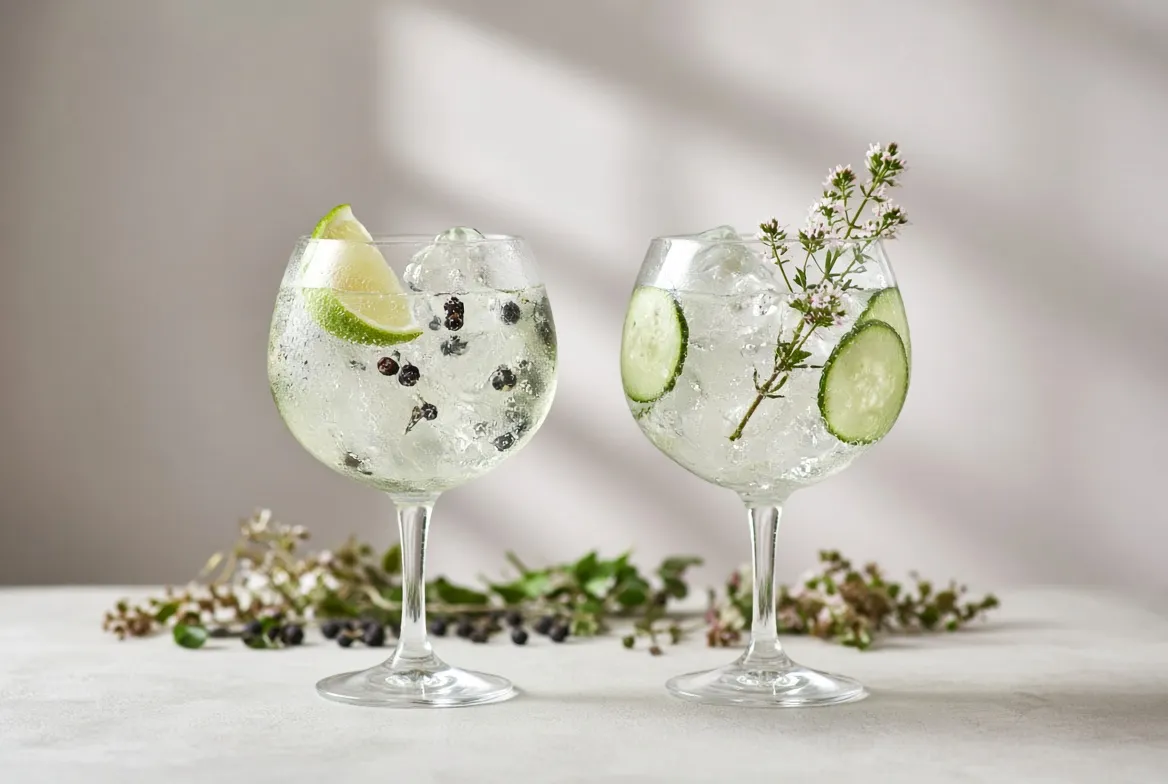
Almost every gin on the shelf falls into one of two broad camps, and knowing which is which is the single most useful thing you can learn about gin. On one side is classic gin - bold, juniper-forward, the traditional London Dry style. On the other is contemporary gin - softer, more aromatic, leaning on other botanicals with juniper in a supporting role. They are genuinely different drinks, suited to different tastes and different cocktails, and the “right” one depends entirely on what you want. This is a clear guide to the difference, and interestingly, the pendulum is swinging back toward the classics.
What classic gin is
Classic gin means juniper leads. The defining style is London Dry - crisp, dry, and unmistakably piney, built on the traditional botanical cast of juniper, coriander, angelica, citrus peel, and orris root. Tanqueray, Beefeater, Sipsmith, and Gordon’s are classic gins. When someone pictures “what gin tastes like,” this bold, resinous, juniper-forward profile is usually what they mean.
Classic gin is assertive. It makes a crisp, textbook gin and tonic, and it is essential for the great classic cocktails - a proper dry Martini or a Negroni needs that juniper backbone to stand up to vermouth and Campari. It can taste intense to a newcomer, but it is the foundation the whole spirit is built on.
What contemporary gin is
Contemporary gin - sometimes called “New Western” or “modern” gin - dials juniper back and lets other botanicals lead. The result is softer, more aromatic, and more approachable, built around citrus, floral, herbal, or unusual botanicals rather than a wall of pine. Hendrick’s (cucumber and rose), Roku (yuzu and sansho), and many craft gins are contemporary in style.
Contemporary gin is easier for a newcomer to love, and it shines in lighter, more aromatic serves - a floral gin and tonic, a refreshing highball. Where it struggles is in the bold classics: a delicate contemporary gin can disappear in a Negroni or taste thin in a bracingly dry Martini, because it lacks the juniper backbone those drinks rely on.
The key differences at a glance
The distinction comes down to a few things. Classic gin leads with juniper; contemporary gin leads with other botanicals. Classic is bold, dry, and piney; contemporary is soft, aromatic, and often floral or citrus-led. Classic excels in the great cocktails that need backbone; contemporary excels in lighter, aromatic drinks and as an approachable introduction. Neither is better - they are built for different purposes.
Which should you drink?
It depends on your taste and your drink. If you love a crisp, dry gin and tonic and you make Martinis or Negronis, a classic London Dry is what you want - it is versatile and it is what those drinks were designed around. If you find bold juniper too intense, or you want a softer, more aromatic drink, a contemporary gin will suit you better and is a gentler place to start.
The honest answer for most people is that you eventually want one of each: a bold classic for your cocktails and a contemporary bottle for when you want something lighter and different. They do different jobs, and a good gin shelf has both.
The twist: juniper is making a comeback
Here is the interesting part. For years the trend ran toward contemporary gins - softer, sweeter, more floral, culminating in the pink and flavoured gin boom. But that tide has turned. Gin drinkers are increasingly seeking out more juniper again, and the sweet, fad-driven end of the market has cooled. The classics are quietly back in fashion, as drinkers who came in through approachable contemporary gins develop a taste for the bold, traditional style. If you started with a soft modern gin and find yourself curious about something with more backbone, you are part of a genuine shift - and the classic London Dry is waiting for you.
The takeaway
Classic gin is bold and juniper-forward, the traditional London Dry style that anchors the great cocktails. Contemporary gin is soft and aromatic, leaning on other botanicals, and it is the gentler, more approachable style. Which you should drink depends on your taste and your glass - classic for crisp G and Ts and proper Martinis and Negronis, contemporary for lighter, aromatic drinks - and most serious gin drinkers end up wanting both. Just know that the momentum is swinging back toward juniper, so if you have only ever drunk the soft modern stuff, a good classic London Dry might be the most interesting bottle you buy this year.
Adjacent reading
What Does Gin Actually Taste Like? A Guide for the Curious
What gin really tastes like, from the piney hit of juniper to citrus, spice and florals. The flavours to expect, why styles differ, and how to taste it.
Is Gin Fattening? Gin and Calories, Honestly Explained
How many calories are really in gin, where they come from, how the mixer changes everything, and how gin compares to wine and beer. The honest answer.
How to Store and Serve Gin: The Practical Answers, Without the Myths
How to store gin, how long it lasts, the freezer question, and the right way to serve it. The practical answers to the questions people actually ask.