Reviews GBR
Bombay Sapphire: The Vapour-Infused Gin That Built the Modern G and T
The blue bottle that made gin approachable for a generation. Vapour infusion, the ten-botanical recipe, and where it actually earns its place.
Bombay Sapphire is the gin that taught a generation to drink gin again. Launched in 1986, in the depths of gin’s unfashionable years, it arrived with a frosted blue bottle, a softer profile than the bruising London Drys of the era, and a production trick that became its whole identity: vapour infusion. For a long stretch it was the gin people who did not really like gin could happily drink, and that approachability is both its great strength and the reason serious drinkers sometimes underrate it. The truth sits in between.
The production
Bombay Sapphire is owned by Bacardi and, since 2014, distilled at Laverstoke Mill in Hampshire - a restored Victorian paper mill turned distillery and visitor site, complete with the much-photographed glasshouses that grow examples of its botanicals. The brand traces its recipe to an 1890s formulation, though the modern Sapphire expression is a 1986 creation.
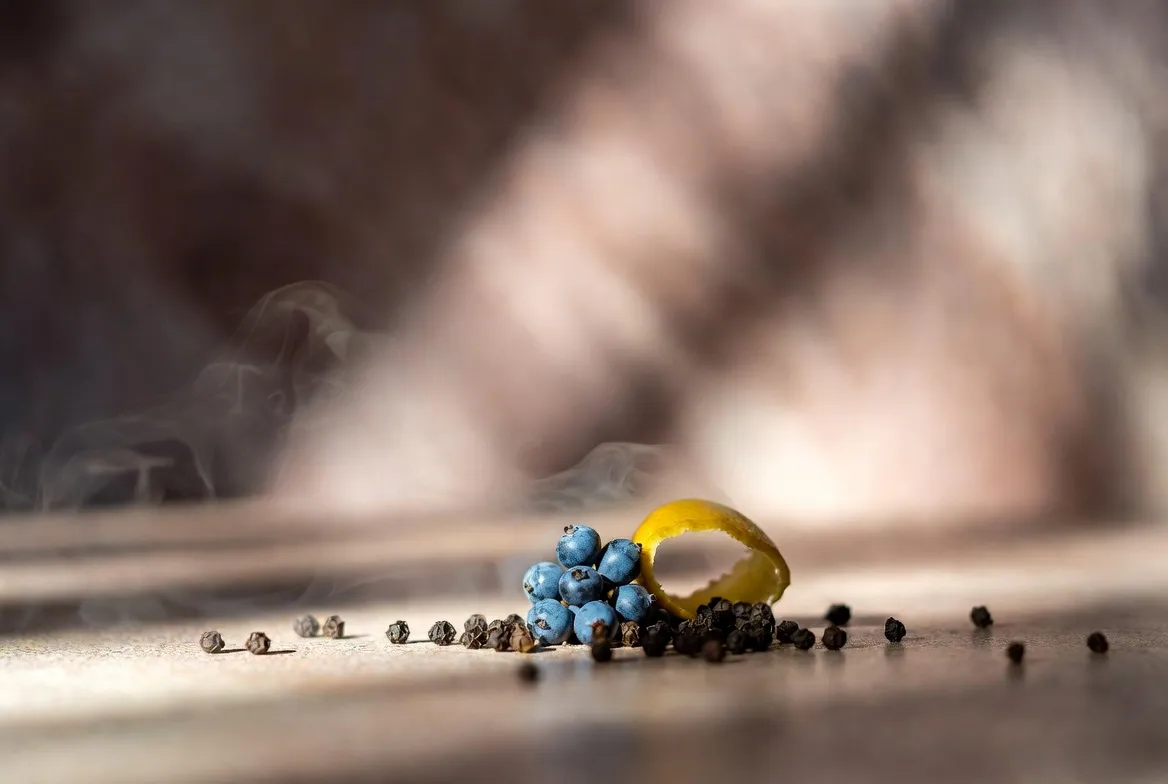
The recipe uses ten botanicals: juniper, coriander, angelica, orris root, lemon peel, almonds, liquorice, cassia bark, cubeb berries, and grains of paradise. The last two are the signatures - cubeb berries and grains of paradise add a gentle peppery lift that distinguishes Sapphire from a plain London Dry.
What makes the production distinctive is vapour infusion rather than the usual maceration. In a conventional gin, botanicals steep in the spirit and are then distilled with it. Sapphire instead suspends its botanicals in perforated copper baskets above the still, so the alcohol vapour rises through them and picks up flavour on the way past. The result is lighter and more delicate than steeping produces - aroma without the heavier, oilier extraction. It is the technical reason Sapphire tastes softer than its peers, and the reason it was able to win over drinkers who found traditional gin too aggressive. Bottled at 40% ABV (47% in the Sapphire East and other line extensions).
What it tastes like
Sapphire’s profile is best described as restrained. Where Beefeater or Tanqueray lead hard with juniper, Sapphire holds it back and lets a bright, slightly peppery, citrus-forward character come through first.
- Juniper is present but polite. It frames the drink rather than dominating it. This is the single most divisive thing about Sapphire - traditionalists want more.
- Citrus and a light pepper lead. Lemon peel up front, with the cubeb and grains of paradise giving a soft warmth on the mid-palate.
- The texture is smooth and light. The vapour infusion shows here; there is none of the oily weight of a macerated gin.
- The finish is clean and short. Sapphire does not linger or evolve much. It is a bright, easy gin, not a brooding complex one.
The overall character: light, citrus-led, gently spiced, and very easy to drink. Approachable to a fault, depending on what you want.
How it sits in the market
Bombay Sapphire occupies the accessible-premium middle - more polished than the value tier, more affordable and more widely available than the character gins above it. UK retail is typically £18-24, US $22-30, with European pricing broadly similar. That places it squarely against the everyday workhorses rather than the premium shelf.
The competition:
-
Tanqueray is the direct rival at a similar price, and the comparison defines Sapphire. Tanqueray is bold, dry, and juniper-forward; Sapphire is soft, bright, and peppery. Which is “better” is entirely a matter of whether you want your gin to assert itself or to behave.
-
Beefeater is the classical benchmark Sapphire was designed as a gentler alternative to. If Sapphire feels too soft, Beefeater is the correction.
-
Hendrick’s competes on approachability from the other direction, using cucumber and rose to be different rather than restrained. Both court the drinker who finds traditional gin too harsh.
For someone choosing, the question is simple: do you want a gin that tastes assertively of gin, or one that goes down easily and lets the tonic and garnish lead? Sapphire is firmly the latter.
What to do with it
Gin and tonic. Sapphire’s natural home. The light profile takes well to a quality Indian tonic and is famously good with a wide strip of fresh ginger or a few black peppercorns to echo the cubeb and grains of paradise. Lime works; lemon is more flattering. This is the drink the gin was built for.
Martini. Workable but not its strength. The restrained juniper means a Sapphire Martini can read as faint and watery once cold - a drink this exposed wants a bolder gin. Use Tanqueray instead and save Sapphire for the long drink.
Negroni. A weakness. The soft profile gets steamrolled by Campari and sweet vermouth, leaving the gin contribution barely detectable. A Negroni wants a gin with backbone; this is not it.
Flavoured and fruit-forward cocktails. Sapphire shines in busier drinks - a Bramble, a gin fizz, anything where its light, clean character supports rather than competes. Its lack of dominance is an asset here.
The honest verdict
Bombay Sapphire is a well-made, genuinely useful gin that suffers slightly from its own reputation. Enthusiasts dismiss it as the gin for people who do not really like gin, and there is truth in that - the restrained juniper and short finish will not satisfy anyone hunting for complexity. But that misses what it does well. As an easy, reliable, widely available gin for a good G and T, especially with a peppery or citrus garnish, it earns its place, and the vapour infusion gives it a smoothness the bolder budget gins lack.
It is not the gin to reach for in a Martini or a Negroni, where its softness becomes a liability. But as the bottle by the tonic for sociable, undemanding drinking, it remains a sound buy at a fair price. Underrated by snobs, overrated by no one - a good, honest, easygoing gin that does exactly what it set out to do in 1986.
Adjacent reading
Gordon's: An Honest Look at the World's Best-Selling Gin
The world's best-selling gin, reviewed without snobbery. Production, palate, its lower 37.5% strength, and why it belongs in a G and T not a Martini.
Tanqueray: The Four-Botanical London Dry That Defines Classic Gin
The green-bottle benchmark built on just four botanicals. Production, palate, and why it remains the reference gin for a Martini, G and T, and Negroni.
Tanqueray No. Ten: The Premium London Dry, Explained
The fresh-citrus variant of the classic gin, distilled with whole grapefruits and chamomile in a small still. How Tanqueray No. Ten became the bartender's choice.