Reviews GBR
Gordon's: An Honest Look at the World's Best-Selling Gin
The world's best-selling gin, reviewed without snobbery. Production, palate, its lower 37.5% strength, and why it belongs in a G and T not a Martini.
Gordon’s is the gin almost everyone has drunk and almost no one reviews seriously. It is the best-selling London gin in the world, the bottle behind countless pub gin and tonics, and precisely because it is so ordinary it tends to get overlooked by enthusiasts chasing craft labels. That is a mistake worth correcting. Gordon’s is not a great gin, but it is a genuinely useful one, and understanding exactly what it does well - and where it falls short - tells you more about everyday gin than any boutique bottle.
The production
Gordon’s dates to 1769, when Alexander Gordon founded his distillery in London, which makes it one of the oldest continuously produced gins in the world. It is now owned by Diageo, and produced at scale for a global market. The recipe is a guarded secret, but the character is classic London Dry: juniper-led, with coriander, angelica, and liquorice among the supporting botanicals, plus citrus.
The single most important fact about Gordon’s is its strength, and it is easy to miss. In the UK and much of Europe, standard Gordon’s is bottled at just 37.5% ABV - the legal minimum for gin - noticeably lower than Beefeater (40%) or Tanqueray (43.1%). Export and travel-retail versions are often 40% or higher, but the bottle you buy in a British supermarket is likely the 37.5%. That lower strength matters: it means less alcohol to carry the botanicals, so Gordon’s tastes softer and thinner than its bolder rivals, and it dilutes faster in a drink. It is not a flaw exactly, but it is why Gordon’s can seem to disappear where a higher-proof gin would hold up.
What it tastes like
Gordon’s is classic in shape but modest in intensity.
- Juniper leads, but gently. It is recognisably a London Dry, pine-forward in profile, without the punch of its higher-proof rivals.
- Citrus and a light spice follow. Coriander and citrus give it a familiar, uncomplicated brightness.
- The finish is short and clean. There is little complexity or lingering character; it does its job and gets out of the way.
- It can taste slightly thin neat. The 37.5% strength shows when you sip it undiluted - there is not much body.
The overall character: a simple, clean, juniper-led gin with no rough edges and no great depth. It is competent rather than characterful, which for its purpose is exactly right.
How it sits in the market
Gordon’s occupies the value tier, and it is usually among the cheapest recognisable gins on the shelf. UK retail is typically £14-18, US $18-22, with European pricing broadly similar. It competes on price, ubiquity, and familiarity rather than quality.
The competition:
-
Beefeater is the obvious step up, and only a little more expensive. Beefeater is bolder, higher-proof (40%), and better made in almost every respect. For a small increase in price you get a meaningfully better gin, which is why Beefeater is the value pick we usually recommend over Gordon’s.
-
Tanqueray is a further step up in both price and intensity, and clearly superior for cocktails.
-
Supermarket own-label gins often match or beat Gordon’s at a similar or lower price, which is worth knowing if you are buying purely on value.
For someone choosing at this end of the shelf, Gordon’s is a safe, familiar option, but rarely the best value - Beefeater usually wins for a little more, and award-winning supermarket bottles often win for the same money or less.
What to do with it
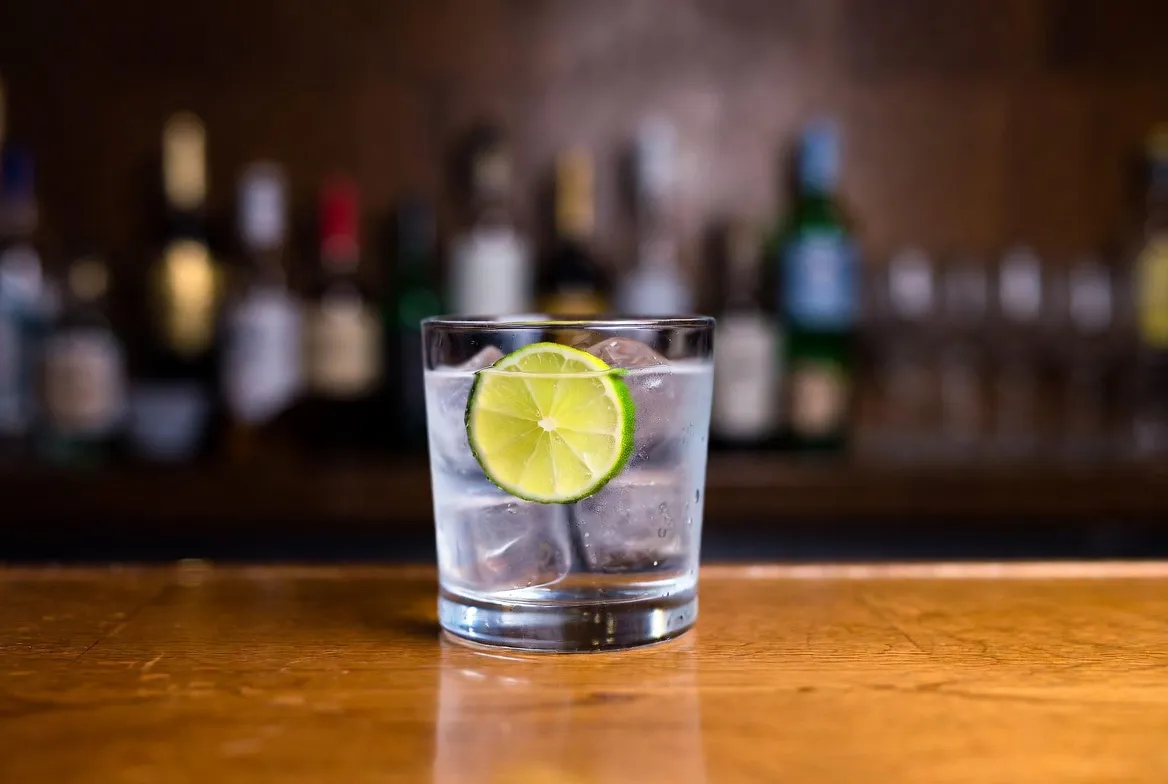
Gin and tonic. Gordon’s natural home, and where it makes the most sense. With a good tonic, plenty of ice, and a lime wedge, it makes a perfectly pleasant, unpretentious G and T. Build it strong to compensate for the lower strength. This is the drink Gordon’s was made for.
Martini. Not recommended. The 37.5% strength and modest character mean a Gordon’s Martini tastes thin and washed-out once cold - a drink this exposed wants a bolder, higher-proof gin. Use Tanqueray or Beefeater instead.
Negroni. Passable but not ideal. The gin gets somewhat lost against Campari and vermouth; a bolder gin stands up better. Fine in a pinch, but not the gin to reach for.
Batch and party drinks. Gordon’s is genuinely sensible here. When you are making a jug of gin and tonics or a punch for a crowd, its low price and inoffensive character make it a practical choice - no one will complain, and you are not wasting a premium bottle in a mixed drink.
The honest verdict
Gordon’s is a perfectly decent everyday gin that is neither as bad as snobs imply nor as good as its sales suggest. It is cheap, familiar, and entirely competent in a gin and tonic, which is what most people buy it for. Its lower 37.5% UK strength is the thing to know: it makes Gordon’s softer and thinner than its rivals, fine in a long drink but weak in a Martini.
The honest recommendation is that for a little more money, Beefeater is a clearly better gin and the smarter buy, and supermarket award-winners often beat Gordon’s outright on value. But if you want a cheap, reliable, no-surprises gin for casual G and Ts and big-batch drinks, Gordon’s does the job it has done for 250 years without complaint. Just do not ask it to carry a Martini.
Tagged
Adjacent reading
Tanqueray: The Four-Botanical London Dry That Defines Classic Gin
The green-bottle benchmark built on just four botanicals. Production, palate, and why it remains the reference gin for a Martini, G and T, and Negroni.
Bombay Sapphire: The Vapour-Infused Gin That Built the Modern G and T
The blue bottle that made gin approachable for a generation. Vapour infusion, the ten-botanical recipe, and where it actually earns its place.
Tanqueray No. Ten: The Premium London Dry, Explained
The fresh-citrus variant of the classic gin, distilled with whole grapefruits and chamomile in a small still. How Tanqueray No. Ten became the bartender's choice.