Guides
Cask-Aged Gin Explained: What Happens When Gin Meets the Barrel
Cask-aged gin is rested in barrels like whisky, taking on colour, warmth and spice. What it is, how it tastes, and how to drink this growing style.
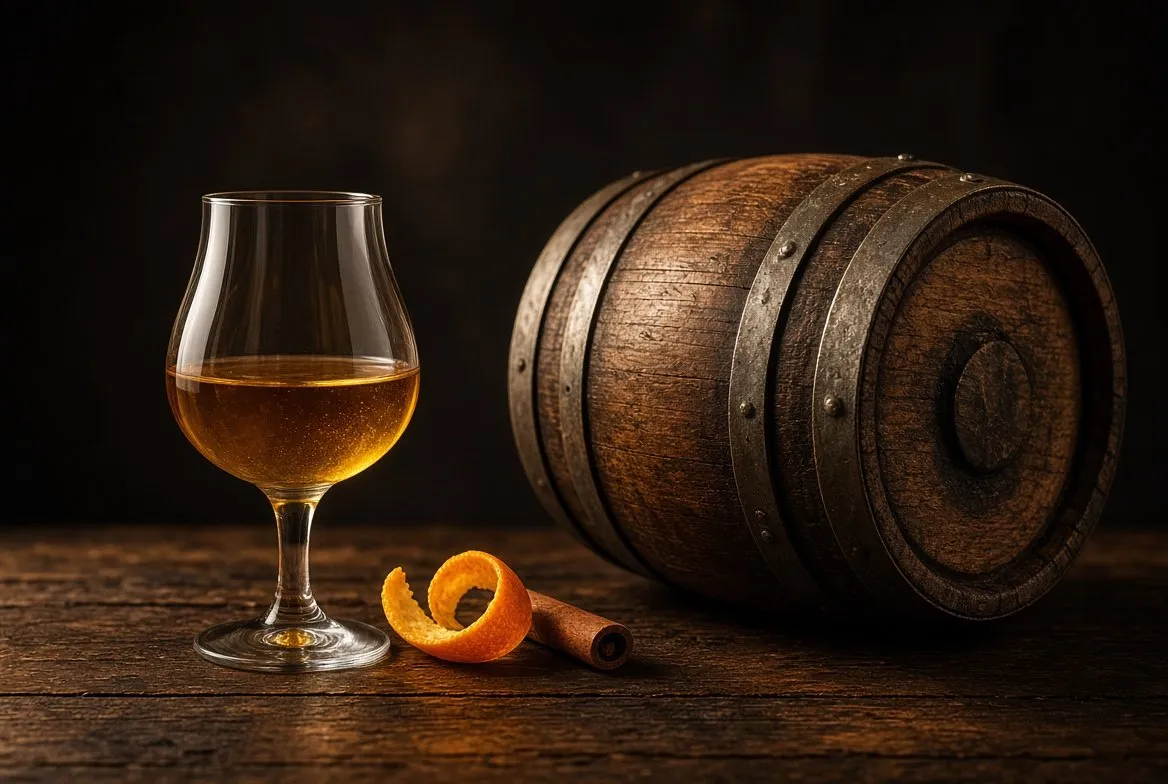
Most gin is a clear, fresh, unaged spirit, bottled and drunk soon after distilling. Cask-aged gin breaks that rule entirely. By resting finished gin in wooden barrels, often ones that previously held whisky, wine, or sherry, distillers produce a gin that is golden or amber in colour, warmer and rounder on the palate, and layered with notes of oak, vanilla, and spice borrowed from the wood. It sits somewhere between gin and whisky, and it is one of the most interesting corners of the modern gin world. This is what cask-aged gin is, how it tastes, and how to drink it.
The idea is not actually new - in the days before reliable glass bottling, gin was often transported and stored in barrels, so early gin frequently had some wood contact. Modern cask-aged gin revives that history deliberately, treating the barrel as another botanical, a source of flavour layered on top of the juniper and spices. The result is a distinctive style that rewards slow drinking.
What cask-aging does to gin
When gin rests in a wooden cask, it draws flavour and colour from the wood, exactly as whisky does. Over weeks or months, the spirit takes on a golden-to-amber hue and picks up characteristics from the barrel: vanilla, caramel, and toffee notes from the oak, a warm spiciness, and a smoother, rounder texture. If the cask previously held another spirit or wine - whisky, bourbon, sherry, or red wine are all common - the gin also absorbs echoes of that liquid, adding further complexity.
The juniper and botanical character of the original gin remains, but it is softened and deepened by the wood, so a cask-aged gin tastes recognisably of gin while also carrying a whisky-like warmth and smoothness. How long it is aged and what cask is used determine how far it travels in that direction.
What it tastes like
A good cask-aged gin is a layered, sipping-friendly spirit:
- Juniper and botanicals, softened. The gin character is still there but rounder and gentler than in a fresh London Dry.
- Oak-derived warmth. Vanilla, caramel, toffee, and a gentle spice from the wood.
- A smooth, full texture. Barrel time rounds off the sharp edges, giving a richer mouthfeel.
- Cask-specific notes. Sherry casks add dried-fruit richness; wine casks add berry and tannin; whisky and bourbon casks add vanilla and sweetness.
The overall effect is a warm, complex, sophisticated spirit that bridges gin and whisky - which is exactly why it appeals to drinkers of both.
How to drink cask-aged gin
This is a style to treat more like whisky than like a standard gin, because the barrel character is best appreciated without being drowned.
- Neat or with a single large ice cube is the ideal serve for a good cask-aged gin. Sipped slowly at room temperature or lightly chilled, its oak, vanilla, and spice have room to show, the way you would enjoy a whisky.
- In a stirred cocktail. Cask-aged gin makes an excellent, warmer twist on spirit-forward classics - a Negroni, a Martinez, or a gin old fashioned all gain depth from it, with the wood adding richness.
- Not usually in a gin and tonic. You can make a G and T with it, but tonic tends to mask the subtle barrel notes you paid for, so it is generally a waste of a cask-aged gin. Save it for sipping and stirred drinks.
The takeaway
Cask-aged gin is where gin borrows whisky’s best trick: resting the spirit in wood to gain colour, warmth, and complexity. The barrel softens the juniper, adds vanilla, caramel, oak, and spice, and often a note of whatever the cask held before, producing a golden, layered, sipping-friendly gin that bridges two spirits. Drink it neat or over a single large cube to appreciate the wood, or use it to add depth to a Negroni or an old fashioned, but keep it out of a tonic that would hide its character. For a gin drinker curious about something richer, or a whisky drinker curious about gin, cask-aged gin is one of the most rewarding styles to explore.
Adjacent reading
How to Host a Gin Tasting at Home: A Simple Guide
How to run a proper gin tasting at home - which gins to pick, how to set up the glasses and tonic, what to taste for, and how to keep it fun rather than fussy.
Butterfly Pea Gin: The Colour-Changing Gin, Explained
Butterfly pea gin starts deep blue and turns pink before your eyes when you add tonic or citrus. How it works, why it is real, and how to drink it.
Vermouth Explained: How to Buy, Store, and Use It
Vermouth is in half the great gin cocktails, and most people get it wrong. What it is, dry vs sweet, how to store it properly, and how to use it in your drinks.