Guides
How to Store and Serve Gin: The Practical Answers, Without the Myths
How to store gin, how long it lasts, the freezer question, and the right way to serve it. The practical answers to the questions people actually ask.
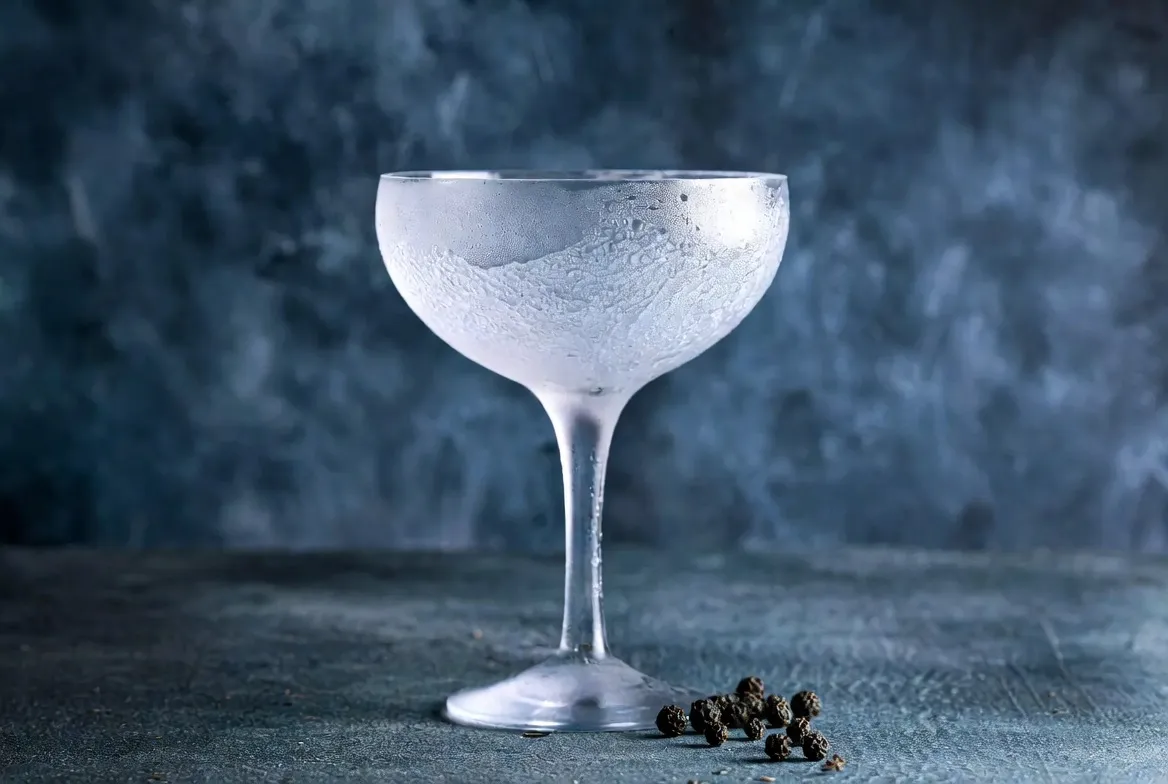
Gin raises a surprising number of practical questions once you own a few bottles. Does it go off? Should you keep it in the freezer? Does an open bottle deteriorate? Most of the advice floating around is a mix of half-truths and wine-based habits that do not apply to spirits. The good news is that gin is one of the lowest-maintenance drinks you can own, and the real answers are simpler than the myths. Here is how to store and serve it properly.
The single most important thing to understand is that gin does not age or improve in the bottle. Unlike wine, which evolves, gin is a distilled spirit that is essentially finished the day it is bottled. That fact answers most storage questions before they are asked: there is no benefit to keeping it, no vintage to protect, and no reason to treat it delicately. You just want to stop it degrading, which barely happens under normal conditions.
Does gin go off?
Practically, no. An unopened bottle of gin will last for many years - effectively indefinitely - if stored sensibly. The high alcohol content makes it inhospitable to the things that spoil food and drink, so there is no safety concern with old gin.
An opened bottle is slightly different, but only slightly. Once opened, gin is exposed to air, and over a long time - we are talking a year or more, especially as the bottle empties and more air sits inside - the volatile botanical aromas can slowly fade, leaving the gin tasting a little flatter and more alcoholic. It does not become unsafe or undrinkable; it just loses some of its brightness. In reality, most bottles are finished long before this matters. If you have a bottle that has been open and half-full for a couple of years, it is fine to drink, it may just have lost a little of its aromatic sparkle.
How to store it
The rules are simple and forgiving:
-
Keep it cool and out of direct sunlight. Heat and UV light are the only real enemies, and they act slowly. A cupboard or a shelf away from a sunny window is all you need. Do not store it above the oven or in a hot conservatory.
-
Keep it upright. Unlike wine, gin should stand upright so the high-strength spirit is not in constant contact with the cork or cap, which it can degrade over time.
-
Seal it properly. Just make sure the cap or cork is closed between uses to limit air exposure. That is the whole job.
That is genuinely all there is to it. No special conditions, no humidity control, no fuss.
The freezer question
This is the one people argue about, so here is the honest answer. Gin will not freeze in a normal home freezer - at 40% ABV or so, the alcohol keeps it liquid - so there is no risk in keeping a bottle in there. What the freezer does is make the gin cold and slightly viscous, giving it a silky, syrupy texture that many people love, especially for Martinis, where a freezer-cold gin makes an intensely cold drink with less dilution.
The trade-off: very cold temperatures mute aroma, and since a gin’s botanicals are much of its appeal, freezer storage can slightly dull the more delicate, aromatic gins. So the sensible approach is this - keep a bold, classic gin in the freezer if you love ice-cold Martinis and that silky texture, but keep your special, complex, aromatic gins at room temperature so you can actually taste what you paid for. Neither is wrong; it depends on the gin and the drink.
How to serve it
Temperature. For a gin and tonic, cold is good - plenty of ice, cold tonic, and a chilled glass keep it crisp. For sipping a premium gin neat, cool room temperature or a single large cube is better than freezing, so the aromatics come through.
Glassware. A large copa or a tall highball for a gin and tonic (the bowl gathers aroma, the tall glass keeps it fizzy), a coupe or a small stemmed glass for a Martini or a shaken drink. The glass genuinely affects the experience, but you do not need a cabinet - a couple of good ones cover almost everything.
Ice. Use more than you think, and bigger if you can. Plenty of large, cold ice keeps a drink cold and dilutes it slowly; a few small cubes melt fast and water it down. Good ice is the cheapest upgrade to your drinks.
The takeaway
Gin is refreshingly low-maintenance. It does not age, does not really go off, and needs nothing more than a cool, dark, upright home away from sunlight. An open bottle keeps for a very long time and only slowly loses a little aroma. The freezer is a matter of taste - excellent for bold gins and ice-cold Martinis, less kind to delicate aromatic ones. And serving well comes down to the right temperature, a decent glass, and plenty of good ice. Ignore the wine-style fussing; with gin, the simple approach is the correct one.
Tagged
Adjacent reading
What Does Gin Actually Taste Like? A Guide for the Curious
What gin really tastes like, from the piney hit of juniper to citrus, spice and florals. The flavours to expect, why styles differ, and how to taste it.
Classic vs Contemporary Gin: Which Should You Actually Drink?
Juniper-forward London Dry or soft modern gin? The real difference between classic and contemporary styles, which suits which drink, and which to buy.
Is Gin Fattening? Gin and Calories, Honestly Explained
How many calories are really in gin, where they come from, how the mixer changes everything, and how gin compares to wine and beer. The honest answer.