Guides
Gin and Food: A Pairing Guide That Actually Works
How to pair gin with food, from seafood and cheese to game and charcuterie. Which gin styles suit which dishes, and how to build a pairing that works.
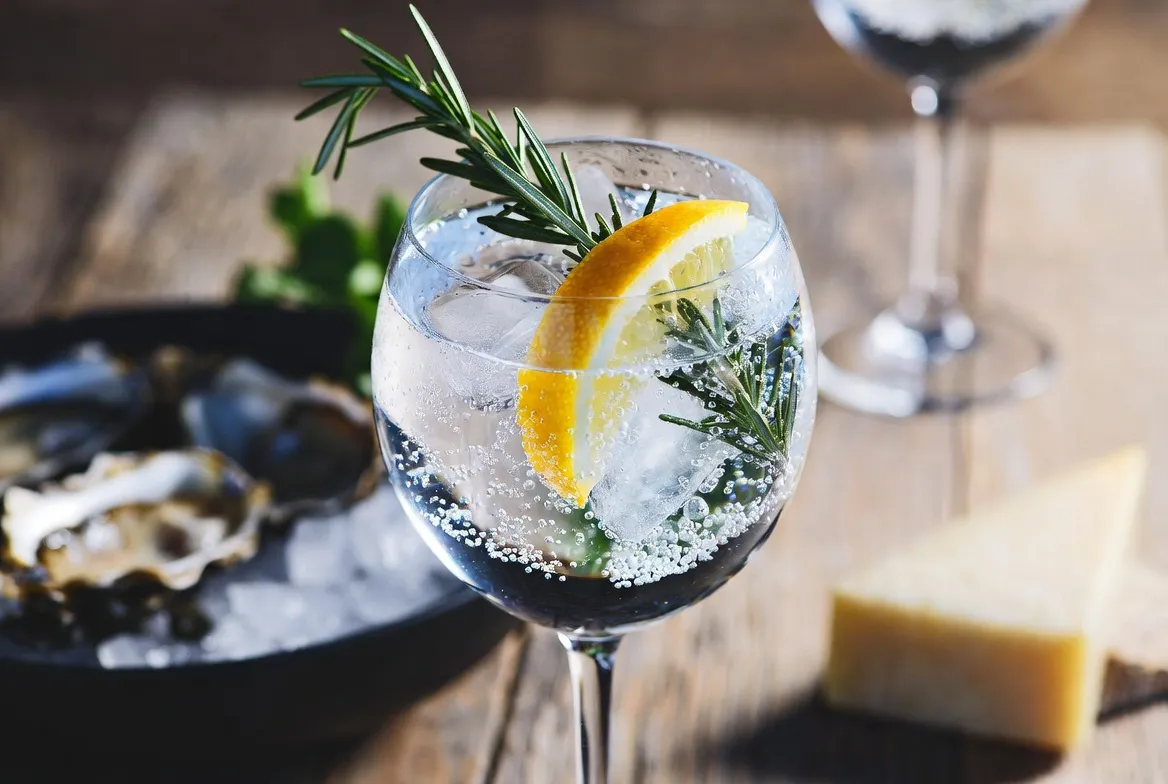
Gin is rarely thought of as a food drink, which is a shame, because its defining feature - a wall of aromatic botanicals - makes it one of the more versatile things you can put next to a plate. Wine gets all the pairing attention, but a well-chosen gin, whether neat, in a gin and tonic, or in a cocktail, can complement food as thoughtfully as any glass of Sancerre. The trick is to match the gin’s botanical character to the dish, the same way you would match a wine’s weight and flavour. This guide covers how to do that, with specific pairings that work.
The underlying principle is simple: gin’s botanicals give you flavour hooks, and good pairings hang the food on them. Juniper is piney and savoury and loves fatty, gamey, and herbal things. Citrus-forward gins cut through richness and lift seafood. Floral gins suit delicate, fresh dishes. Match the hook to the food and the pairing works; ignore it and the gin just sits there being alcoholic.
The general rules
Three ideas cover most of it. First, match intensity - a delicate dish wants a delicate gin or a light G and T, while a rich or gamey dish can take a bold, juniper-forward gin. Second, use the botanicals as bridges - if a gin has citrus, pair it with something citrus loves, like seafood; if it is herbal, pair it with herbs on the plate. Third, remember the format changes the pairing - a bracing gin and tonic acts as a palate cleanser and aperitif, while a gin sipped neat or in a spirit-forward cocktail sits closer to the food and needs more careful matching.
Pairings that work
-
Seafood and citrus-forward gin. The classic. Oysters, smoked salmon, prawns, sushi, and ceviche all sing next to a citrus-led gin or a crisp gin and tonic. The citrus lifts the seafood the way a squeeze of lemon does, and the juniper adds a savoury edge. A Japanese gin like Roku, with its yuzu, is superb with sushi.
-
Game, lamb, and juniper-forward gin. Juniper has been used to season game and rich meats for centuries, so a bold, juniper-led gin is a natural partner for venison, duck, lamb, and game birds. Serve it as a strong, dry gin and tonic alongside, or use juniper-heavy gin in the cooking itself.
-
Cheese and gin. A genuinely good and underrated pairing. A crisp gin and tonic cuts through the fat of a hard cheese like aged cheddar, while a floral or citrus gin complements the tang of goat’s cheese. Blue cheese pairs surprisingly well with a sloe gin, whose sweetness plays against the salt.
-
Charcuterie and Mediterranean gin. Cured meats, olives, and antipasti love a savoury, herbal Mediterranean gin such as Gin Mare. The rosemary, thyme, and olive botanicals echo the flavours on the board, making the gin feel like part of the spread.
-
Salads, goat’s cheese, and floral gin. Fresh, light dishes - a summer salad, a goat’s cheese tart - suit a delicate floral gin like Hendrick’s, whose cucumber and rose brighten rather than overwhelm. A light, floral gin and tonic makes an ideal partner.
-
Dessert and sloe gin. Sloe gin’s tart, almond-and-dark-fruit character pairs beautifully with dark chocolate, almond desserts, and cheese at the end of a meal. A small glass neat after dinner does the job of a dessert wine.
Building a gin pairing menu
If you want to pair gin across a whole meal, treat it like a wine flight. Start with a light, crisp gin and tonic as an aperitif to open the appetite. Move to a citrus-forward gin drink with a seafood or fish course. Bring out a bold, juniper-led gin, neat or in a spirit-forward cocktail, for a rich meat course. And finish with a small glass of sloe gin or a gin-based dessert cocktail. The progression - light to bold, crisp to rich - mirrors a good wine progression and keeps the palate engaged.
What to avoid
Do not fight strong, spicy food with a delicate gin - very hot or heavily spiced dishes tend to flatten a subtle gin, and a bold, refreshing gin and tonic works better as a cooling counterpoint. Avoid pairing sweetened or heavily flavoured gins with savoury food; their sugar clashes. And do not over-garnish a gin you are serving with food - a clean drink pairs more cleanly than one loaded with competing botanicals.
The takeaway
Gin belongs at the table more than its reputation suggests. Treat its botanicals as flavour hooks - citrus for seafood, juniper for game, herbal for charcuterie, floral for fresh and light, sloe for dessert - and match intensity between the gin and the plate, and you can pair gin across a whole meal as thoughtfully as wine. The gin and tonic in particular is a superb aperitif and palate cleanser, ready to sharpen the appetite before almost anything. Next time you reach for a bottle of wine to go with dinner, consider reaching for the gin instead - chosen well, it earns its place beside the food.
Tagged
Adjacent reading
What Does Gin Actually Taste Like? A Guide for the Curious
What gin really tastes like, from the piney hit of juniper to citrus, spice and florals. The flavours to expect, why styles differ, and how to taste it.
Classic vs Contemporary Gin: Which Should You Actually Drink?
Juniper-forward London Dry or soft modern gin? The real difference between classic and contemporary styles, which suits which drink, and which to buy.
Is Gin Fattening? Gin and Calories, Honestly Explained
How many calories are really in gin, where they come from, how the mixer changes everything, and how gin compares to wine and beer. The honest answer.