Guides
A Field Guide to Gin Botanicals: What Actually Makes Gin Taste Like Gin
The botanicals behind every gin - juniper, coriander, angelica, citrus and the rest. What each one contributes and how they combine into a finished gin.
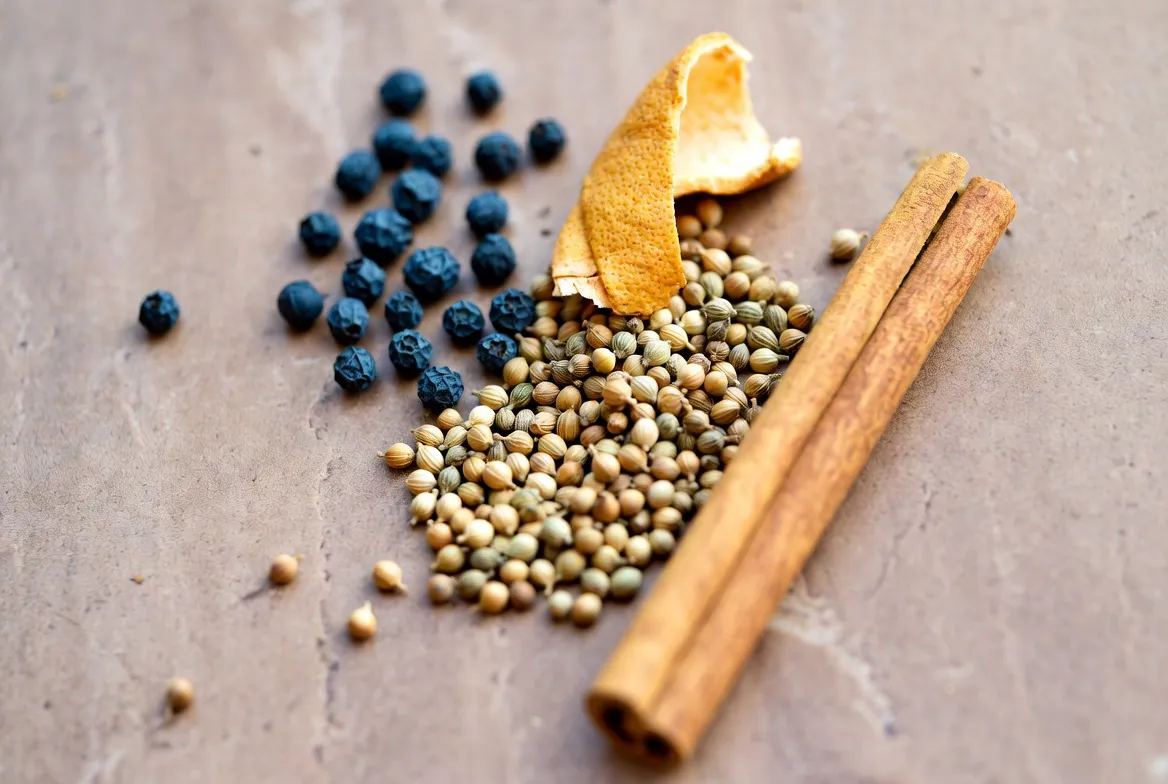
Every gin review talks about botanicals - juniper this, angelica that, notes of coriander and orris - but rarely explains what any of it actually means. Botanicals are simply the plants, seeds, roots, barks, and peels that flavour gin, and understanding the main ones transforms how you taste it. Once you know that juniper brings the pine, coriander brings the citrus-spice, and angelica ties it all together, a gin’s flavour stops being a mystery and starts being a recipe you can read. This is a field guide to the botanicals that matter.
By law, gin must taste predominantly of juniper - that is the one non-negotiable. Everything else is the distiller’s choice, and the interplay between a handful of classic supporting botanicals and a few distinctive ones is what gives each gin its character. Most gins use somewhere between six and a dozen; some use forty or more. But the core cast is small, and knowing it covers the vast majority of what you will taste.
The essential one
- Juniper is gin. It is the only botanical the law requires, and the one that must lead. Juniper berries (actually the cones of an evergreen shrub) give gin its defining piney, resinous, slightly peppery character - that fresh, foresty note you recognise instantly as “gin.” A juniper-forward gin is a classic London Dry; a gin where juniper takes a back seat is a contemporary style. Everything else in the recipe exists to frame the juniper.
The classic supporting cast
These four appear in almost every traditional gin and form the backbone alongside juniper.
-
Coriander seed is the second most common botanical after juniper. It brings a warm, citrusy, slightly spicy note - lemony and peppery at once - that lifts and brightens the juniper. If a gin tastes zesty and warm, coriander is usually why.
-
Angelica root is the great harmoniser. On its own it is earthy, dry, and slightly musky, but its real job is to bind the other botanicals together and give the gin structure and a dry finish. You rarely taste angelica directly; you notice its absence.
-
Orris root (from the iris flower) works similarly as a fixative, holding the aromatics together and adding a subtle, powdery, floral earthiness. Like angelica, it is more about cohesion than a flavour you can name.
-
Citrus peel (lemon and orange, usually dried) brings brightness and freshness. Lemon peel sharpens, sweet orange peel rounds. Most gins use one or both, and they are a large part of why gin and citrus garnishes work so well together.
The aromatic extras
Beyond the core, distillers reach for these to add character.
-
Cardamom adds a warm, aromatic, slightly citrusy spice - fragrant and exotic. Common in contemporary and Mediterranean gins.
-
Cassia and cinnamon bring warm, sweet, woody spice. A little adds depth and a cosy warmth.
-
Liquorice contributes a subtle sweetness and a smooth, rounding texture, softening the finish without being obviously liquorice-flavoured.
-
Almond adds a soft, nutty, marzipan-like roundness and body.
The distinctive ones
These give individual gins their signature.
-
Grains of paradise and cubeb are peppery botanicals that add a gentle warmth and tingle - Bombay Sapphire’s soft pepper comes from these.
-
Sansho pepper, yuzu, and green tea define Japanese gins like Roku, giving that bright, tingling, distinctly non-European character.
-
Cucumber and rose are Hendrick’s signature, producing a soft, floral, refreshing style unlike a classic gin.
-
Local and foraged botanicals - heather, gorse, and meadowsweet in Scottish gin, native lemon myrtle and finger lime in Australian gin - give modern craft gins their sense of place.
How they work together
A gin is not a list of flavours but a blend, and the art is in the balance. Juniper leads; coriander and citrus brighten; angelica and orris hold it together and dry the finish; the aromatic and distinctive botanicals add the character that makes one gin different from another. A classic London Dry keeps the balance tilted firmly toward juniper and the classic cast. A contemporary gin pulls it toward the distinctive botanicals, softening the juniper. Neither is better - they are different balances of the same basic palette.
The takeaway
Reading a gin’s botanicals is a skill worth having, and the vocabulary is smaller than it looks. Juniper is the constant; coriander and citrus do the brightening; angelica and orris quietly hold everything together; and the aromatic and signature botanicals - cardamom, pepper, cucumber, yuzu, foraged local plants - are where a gin finds its individual voice. Next time you taste a gin, try to pick out the juniper first, then the citrus-spice of coriander, then whatever distinctive note sets it apart. Once you can do that, every gin becomes a recipe you can read, and choosing one you will love gets a great deal easier.
Tagged
Adjacent reading
What Does Gin Actually Taste Like? A Guide for the Curious
What gin really tastes like, from the piney hit of juniper to citrus, spice and florals. The flavours to expect, why styles differ, and how to taste it.
Classic vs Contemporary Gin: Which Should You Actually Drink?
Juniper-forward London Dry or soft modern gin? The real difference between classic and contemporary styles, which suits which drink, and which to buy.
Is Gin Fattening? Gin and Calories, Honestly Explained
How many calories are really in gin, where they come from, how the mixer changes everything, and how gin compares to wine and beer. The honest answer.