World IRL
Irish Gin: Botanicals From the Atlantic Edge
Ireland's gin scene has exploded, built on native botanicals and Atlantic character. The distilleries, the style, and the Irish bottles worth seeking out.
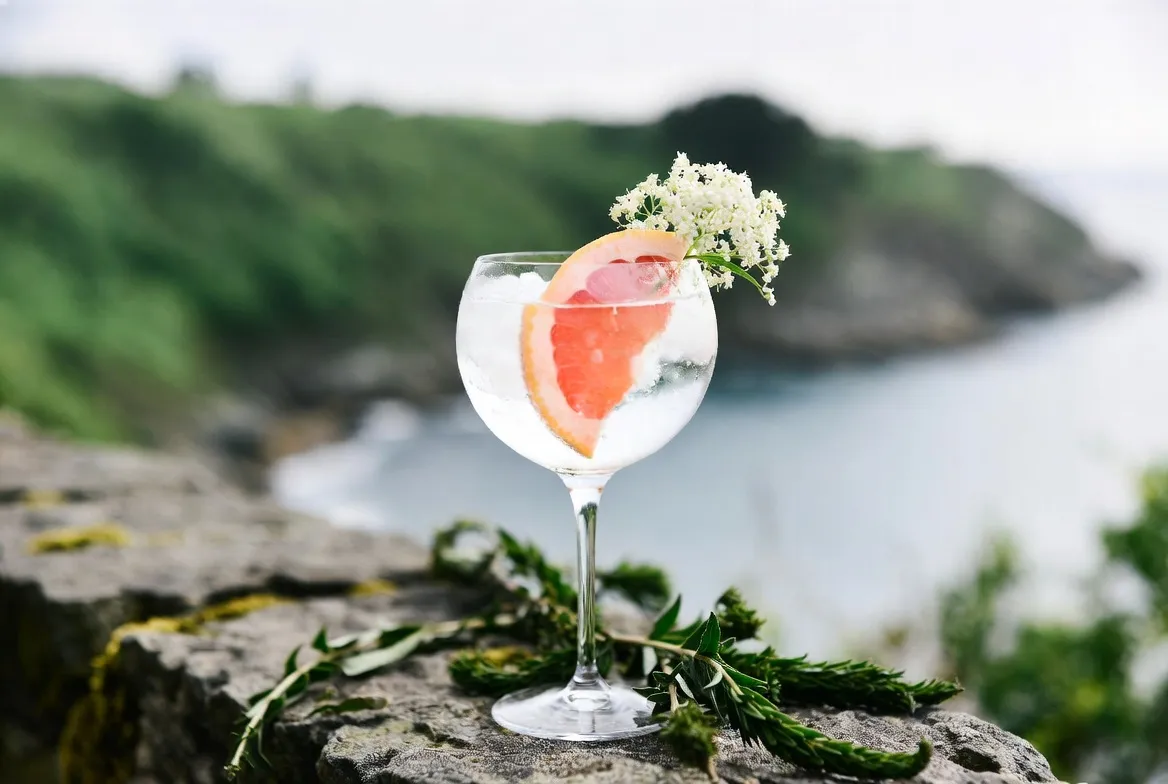
Ireland’s gin renaissance is one of the most exciting stories in the spirit right now. A country long defined by whiskey and stout has, over the past decade, built a craft gin scene of real quality and character, drawing on native botanicals foraged from its hedgerows, bogs, and rugged Atlantic coast. Irish gin has a distinct sense of place - green, herbal, often with a coastal or floral edge - and the best bottles are winning awards and attention well beyond Ireland. If you have overlooked Irish gin, now is the time to pay attention.
Ireland’s gin awakening
Like Scotland, Ireland has deep distilling heritage thanks to whiskey, and gin has offered its distillers a way to build brands and generate income without the long wait for spirit to mature. The result has been a wave of new distilleries and gin brands across the island, from established drinks companies to tiny craft operations. What unites the better ones is a determination to make gin that tastes Irish rather than generic - and Ireland’s landscape gives them plenty to work with.
The Irish style: hedgerow and coast
The signature of Irish gin is native, often foraged botanicals that capture the island’s green, wet, Atlantic character. Distillers reach for ingredients like heather, gorse, elderflower, hawthorn, bog myrtle, sweet woodruff, and coastal botanicals gathered near the sea. Many Irish gins lean floral and herbal, with a soft, green freshness, while the coastal ones carry a subtle briny minerality. As with Scottish gin, not every bottle is foraged and wild, but the most distinctive Irish gins use their terroir as the whole point - the taste of the Irish landscape in a glass.
The bottles and distilleries to know
-
Dingle Gin is one of the pioneers of the modern Irish scene, made on the Dingle Peninsula on the Atlantic coast. It uses native botanicals including rowan berry, fuchsia, bog myrtle, hawthorn, and heather, and is widely credited with helping start Ireland’s craft gin boom. A benchmark bottle.
-
Gunpowder Irish Gin, from Drumshanbo in County Leitrim, is perhaps the most internationally recognised Irish gin. It combines traditional botanicals with slow-dried gunpowder green tea and oriental botanicals, giving a distinctive, aromatic, citrus-and-tea character. Widely available and a great introduction.
-
Glendalough produces a range of seasonal and wild gins using foraged botanicals hand-picked in the Wicklow mountains, changing with what the landscape offers. Its wild botanical gins are among the most terroir-driven in Ireland.
-
Bertha’s Revenge is a small-batch favourite, unusually made from a milk-based spirit, using Irish botanicals for a soft, characterful gin with a devoted following.
Together these show the range: coastal Atlantic gins, aromatic tea-led bottles, foraged mountain gins, and quirky small-batch producers.
How to drink Irish gin
The floral and herbal Irish gins reward a light touch. Serve them with a good, clean tonic that lets the delicate botanicals show, and choose a garnish that echoes the gin - elderflower or a floral gin takes well to a simple lemon twist or a sprig of something green, while Gunpowder’s citrus-and-tea profile is superb with a slice of pink grapefruit and a light tonic. As with any characterful, foraged gin, do not overwhelm it - the point is to taste the Irish landscape, so keep the drink clean and let the gin lead. The bolder Irish gins also make bright, aromatic gin and tonics and hold their own in cocktails.
The takeaway
Ireland has become one of the most rewarding places in gin, and its scene is still young enough to feel genuinely exciting. Built on distilling heritage and a landscape of hedgerow, bog, mountain, and Atlantic coast, Irish gin offers a real sense of place - green, herbal, floral, and sometimes coastal, with none of it tasting generic. From coastal Dingle to tea-led Gunpowder to foraged Glendalough, the bottles are distinctive and increasingly easy to find. A country famous for whiskey and stout now makes gin worth crossing the room for, and the best of it captures the wild, green edge of the Atlantic in a glass.
Tagged
Adjacent reading
Scottish Gin: How Scotland Quietly Became a Gin Powerhouse
Scotland makes far more gin than whisky by volume, and some of the best in the world. The distilleries, the foraged botanicals, and the bottles to know.
Indian Gin and the New Asian Craft Wave
India produces the cardamom, coriander, and citrus for gin worldwide. Why it took until the 2020s to make its own, and which producers matter.
Australian Gin: A Continental Distillation Boom Built on Native Botanicals
Lemon myrtle, finger lime, pepperberry, anise myrtle. How Australia built a distinctive gin tradition from ingredients that grow nowhere else.