World GBR
Scottish Gin: How Scotland Quietly Became a Gin Powerhouse
Scotland makes far more gin than whisky by volume, and some of the best in the world. The distilleries, the foraged botanicals, and the bottles to know.
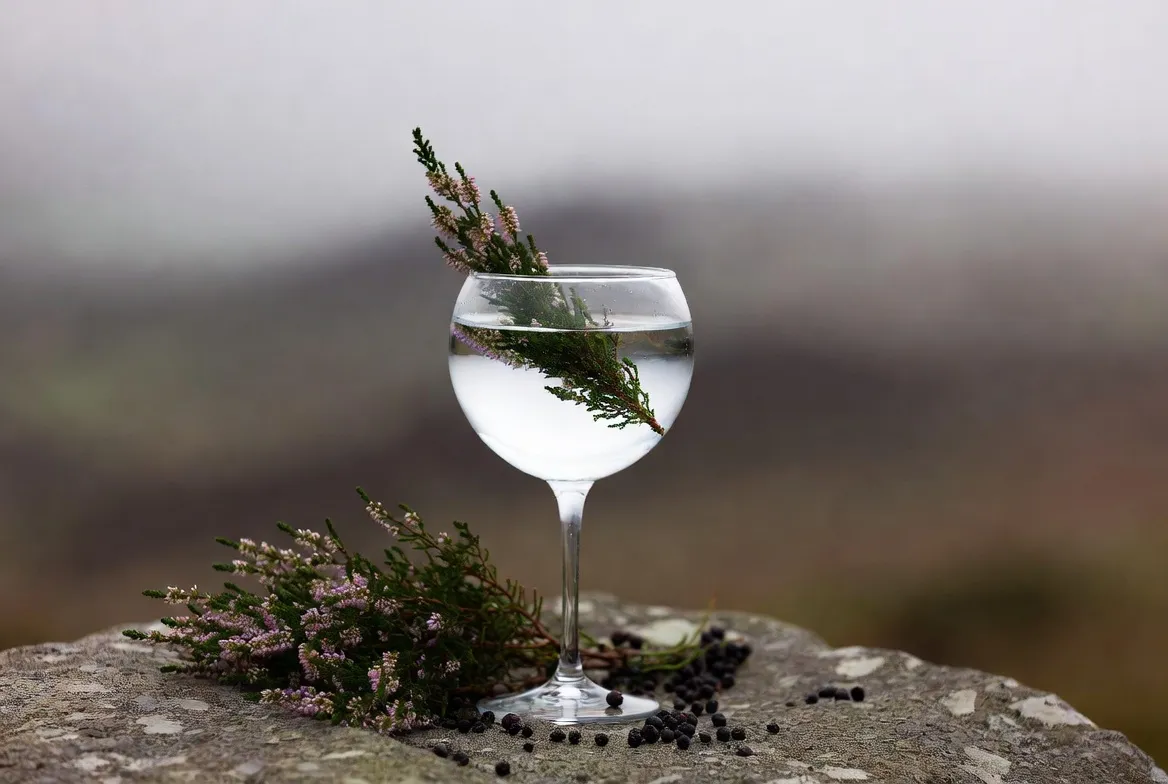
Scotland is famous for whisky, but here is a fact that surprises almost everyone: Scotland produces the majority of the UK’s gin, and by some measures around 70 percent of all gin made in Britain. The country that gave the world Scotch has quietly become one of its most important gin producers too, and not just in volume - some of the most respected and awarded gins in the world are Scottish. Between its distilling heritage, its wild landscape of foraged botanicals, and a booming craft scene, Scotland has become a gin powerhouse while everyone was looking at the whisky.
Why Scotland makes so much gin
The reason is partly practical and partly historical. Scotland has centuries of distilling expertise, infrastructure, and skilled people thanks to whisky, and that knowledge transfers readily to gin. Crucially, gin can be sold immediately, while whisky must mature for years - so for distilleries, gin provides cash flow and a way to build a brand while the whisky sleeps in the barrel. Many Scottish gin operations began exactly this way. Add a landscape full of distinctive wild botanicals and a wave of craft entrepreneurs, and Scotland’s gin boom makes complete sense.
The Scottish style: foraged and wild
If there is a defining thread to Scottish gin, it is the use of local, foraged botanicals that capture the landscape. Where a classic London Dry sticks to the traditional cast, Scottish distillers reach into the surrounding hills, coast, and moorland for ingredients: heather, gorse flower, bog myrtle, meadowsweet, sea buckthorn, Scottish brambles, rowan berries, and coastal botanicals like kelp and other seaweeds. The result is gin with a genuine sense of place - herbal, floral, sometimes coastal and briny, and distinct from gins made anywhere else. Not every Scottish gin leans this way, but the best-known ones use their terroir as their signature.
The bottles and distilleries to know
-
The Botanist is the most internationally famous Scottish gin, made on the isle of Islay (better known for its whisky) using 22 hand-foraged Islay botanicals alongside its core recipe. Green, herbal, and complex, it is the standard-bearer for the foraged Scottish style and a genuine world-class gin.
-
Hendrick’s is Scottish, made in Ayrshire, and one of the best-selling premium gins in the world. Its signature cucumber and rose profile is not foraged-Scottish in character, but it put Scottish gin on the global map and remains a benchmark contemporary gin.
-
Edinburgh Gin is one of the best-known city producers, with an accessible, well-made range and a strong line of fruit liqueurs, and it anchors gin’s presence in the capital.
-
Rock Rose, Caorunn, and others represent the wider craft scene - Rock Rose from the far north at Dunnet Bay uses local Caithness botanicals, while Caorunn leans on Highland botanicals including rowan berry and heather. These are the bottles that show the foraged style at its most characterful.
Between them, these gins cover the spectrum: world-famous contemporary bottles, foraged island and Highland gins, and a deep craft bench.
How to drink Scottish gin
The foraged, herbal Scottish gins reward a garnish that echoes their botanicals rather than a default lime. The Botanist takes beautifully to a sprig of thyme or rosemary; Hendrick’s famously wants cucumber, not citrus; a coastal or heather-led gin suits a simple, clean tonic that lets the wild botanicals show. As with any characterful gin, use a good light tonic and do not drown it - the whole point is to taste the landscape in the glass. The bolder Scottish gins also make excellent Martinis and hold up well in a Negroni.
The takeaway
Scotland’s gin story is one of the quiet successes of modern British drinking. A country synonymous with whisky now makes most of Britain’s gin and several of the best bottles in the world, built on distilling heritage and a landscape full of wild, foraged botanicals found nowhere else. From the world-famous Botanist and Hendrick’s to the characterful Highland and island craft distillers, Scottish gin offers a genuine sense of place in the glass. Next time you reach for a gin with heather, sea buckthorn, or foraged island botanicals on the label, you are tasting the same landscape that makes Scotch so distinctive - just without the wait.
Adjacent reading
Irish Gin: Botanicals From the Atlantic Edge
Ireland's gin scene has exploded, built on native botanicals and Atlantic character. The distilleries, the style, and the Irish bottles worth seeking out.
Hendrick's Gin: Everything You Should Know Before Buying
The Scottish contemporary gin that put cucumber and rose on the global bar. Production history, botanical profile, and how Hendrick's sits against newer competitors.
Indian Gin and the New Asian Craft Wave
India produces the cardamom, coriander, and citrus for gin worldwide. Why it took until the 2020s to make its own, and which producers matter.