Guides
How to Make Simple Syrup for Gin Cocktails: The Only Guide You Need
Simple syrup is the backbone of half the great gin cocktails. How to make it, the 1:1 vs rich ratio, how to store it, and the flavoured versions worth knowing.
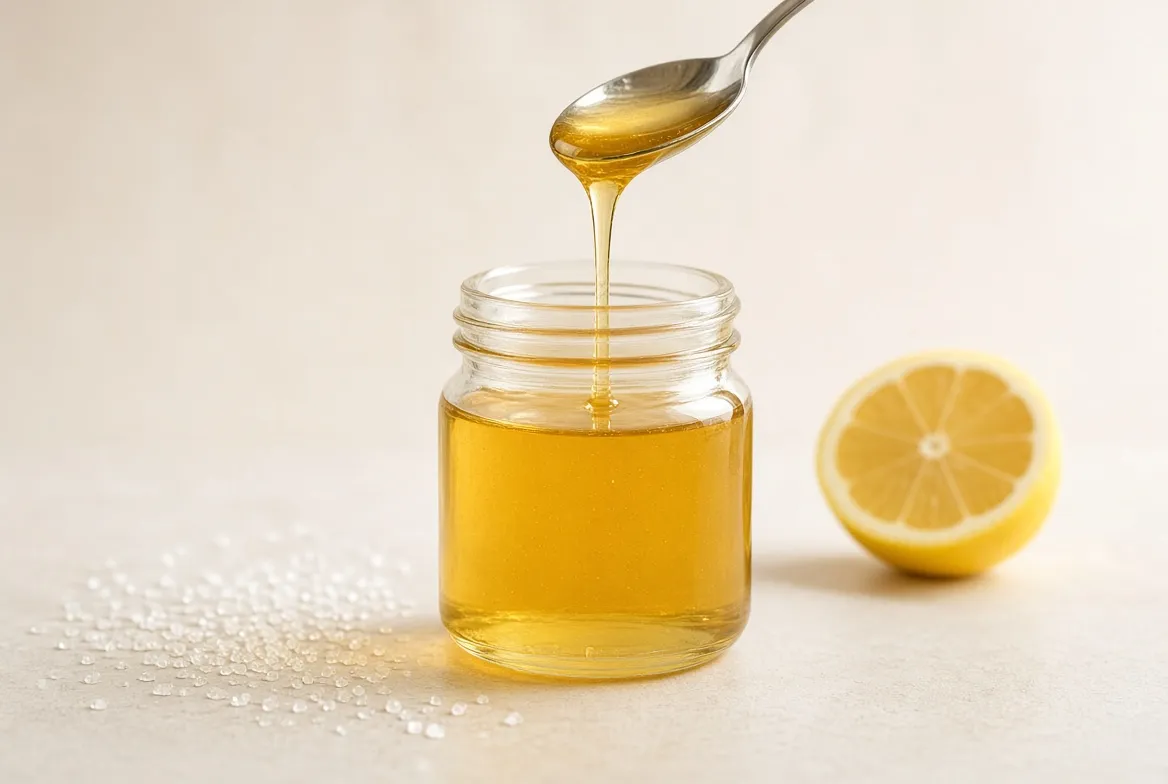
Simple syrup is the quiet workhorse of the cocktail world, and if you make gin drinks at home you will need it constantly. A sour, a Bee’s Knees, a Southside, a Tom Collins, a Clover Club - all of them need a liquid sweetener, and that sweetener is simple syrup. The good news is that it is the easiest thing in the entire cocktail repertoire to make: two ingredients, a couple of minutes, and you will never reach for a clumpy spoonful of sugar at the bottom of a shaker again. This is everything you need to know.
The reason you cannot just use granulated sugar in a cold drink is simple: sugar does not dissolve properly in cold liquid. Dump it into a shaker and it sits at the bottom, leaving your drink both gritty and under-sweetened. Dissolving the sugar into water first, as a syrup, solves the problem completely - it mixes in instantly and evenly. That is the whole point of simple syrup, and why every bar keeps a bottle of it.
The basic recipe (1:1)
Standard simple syrup is equal parts sugar and water by volume. That is it.
- 1 cup white granulated sugar
- 1 cup water
Method, no heat needed. Combine the sugar and water in a jar, seal it, and shake vigorously for a minute or two until the sugar fully dissolves. That is the easiest method and it keeps the flavour cleanest.
Method, with heat (faster). Combine the sugar and water in a saucepan over medium heat, stirring until the sugar dissolves and the liquid turns clear. Do not let it boil hard or reduce - you just want it dissolved. Remove from the heat and let it cool completely before bottling.
Either way, you get a clear, pourable syrup that mixes into any drink instantly. Use white sugar for a clean, neutral sweetness that lets the gin and other ingredients shine.
1:1 vs rich syrup (2:1)
There are two standard strengths, and the difference matters.
-
Simple syrup (1:1) - equal parts sugar and water. This is the default for most cocktails, and when a recipe just says “simple syrup” or “sugar syrup,” this is what it means.
-
Rich syrup (2:1) - two parts sugar to one part water. It is sweeter and more viscous, so you use less of it for the same sweetness, which means you add less water to the drink and get a slightly richer texture. Some bartenders prefer it, and it keeps longer. If you use rich syrup in a recipe calling for 1:1, use about half as much and adjust to taste.
For home use, 1:1 is the simplest to work with because it matches what recipes assume. Rich syrup is worth knowing once you are comfortable, especially if you want a touch more body in your drinks.
How to store it and how long it lasts
Keep simple syrup in a clean, sealed bottle or jar in the fridge. A 1:1 syrup will keep for around two to four weeks; a richer 2:1 syrup keeps longer, often a month or more, because the higher sugar concentration resists spoilage. Always store it cold, and if it ever turns cloudy, develops any mould, or smells off, throw it out and make a fresh batch - it takes two minutes.
A tip: adding a small splash (about 15ml) of a neutral high-proof spirit like vodka to the bottle helps preserve the syrup and extends its life, without affecting your cocktails.
Flavoured syrups worth making
Once you have the basic method, flavoured syrups open up a lot of cocktails, and several are specifically useful for gin drinks.
-
Honey syrup. Essential for a Bee’s Knees. Because neat honey seizes up in a cold drink, you make a honey syrup instead: combine honey and warm water, roughly three parts honey to one part water, and stir until dissolved. Keep it in the fridge.
-
Raspberry (or other berry) syrup. Lovely in a Clover Club or an old-fashioned Bronx-style drink. Gently warm the basic syrup with fresh or frozen raspberries, let it steep, then strain out the solids. The same method works for other soft fruit.
-
Herb-infused syrups. A rosemary, thyme, or mint syrup adds a savoury-aromatic note that suits gin beautifully. Make the basic syrup, then add a few sprigs of the herb while it is warm, let it steep for 20 to 30 minutes, and strain. Do not over-steep herbs, as they can turn bitter.
-
Demerara or brown sugar syrup. Made with demerara or soft brown sugar instead of white, this gives a deeper, caramel-like richness. It is more common in whisky and rum drinks but adds warmth to some gin cocktails too.
Getting the sweetness right
Simple syrup is one half of the sweet-sour balance that defines so many cocktails, so a little care pays off. Start with the measure a recipe specifies and taste before serving; sweetness is personal, and fruit acidity varies. If a drink is too tart, add a small amount more syrup; too sweet or flat, add a touch more citrus. Because the syrup is already dissolved, you can adjust a drink’s balance instantly, which you cannot do with granulated sugar.
The takeaway
Simple syrup is the easiest and most useful thing you can make for your home bar: equal parts sugar and water, shaken cold or warmed until dissolved, kept in the fridge for a few weeks. Learn the basic 1:1, know that rich 2:1 is sweeter and longer-lasting, and branch into honey, berry, and herb syrups to unlock specific gin cocktails. Keep a bottle in the fridge and you will always be ready to make a properly balanced sour, Collins, or Bee’s Knees at a moment’s notice. It is the small bit of preparation that quietly makes every other cocktail better.
Adjacent reading
Cask-Aged Gin Explained: What Happens When Gin Meets the Barrel
Cask-aged gin is rested in barrels like whisky, taking on colour, warmth and spice. What it is, how it tastes, and how to drink this growing style.
How to Host a Gin Tasting at Home: A Simple Guide
How to run a proper gin tasting at home - which gins to pick, how to set up the glasses and tonic, what to taste for, and how to keep it fun rather than fussy.
Butterfly Pea Gin: The Colour-Changing Gin, Explained
Butterfly pea gin starts deep blue and turns pink before your eyes when you add tonic or citrus. How it works, why it is real, and how to drink it.