Reviews GBR
Plymouth Gin: England's Oldest Gin and Its Own Soft Style
England's oldest working gin distillery, and a style all its own - softer and earthier than a London Dry. Production, palate, and its great classic Martini.
Plymouth Gin is unusual twice over: it is made at the oldest working gin distillery in England, and it is its own recognised style of gin, distinct from London Dry. That combination of deep history and genuine difference makes it one of the more interesting bottles in the classic canon - softer, earthier, and rounder than the sharp London Drys it sits beside, and with a reputation as one of the great Martini gins. If you have only ever drunk London Dry, Plymouth is the easiest way to taste how much room there is inside “classic gin.”
The production
Plymouth Gin has been made at the Black Friars Distillery in Plymouth since 1793, making it the oldest working gin distillery in England. The building itself is older still, and the sense of place is central to the brand - Plymouth Gin can, by long tradition and geographic association, only be made in Plymouth, which gives it a claim to terroir that most gins cannot make. It is now owned by Pernod Ricard.
The recipe uses seven botanicals: juniper, coriander, angelica, orris root, dried sweet orange peel, lemon peel, and green cardamom. What stands out is the balance - Plymouth uses a higher proportion of root botanicals (angelica, orris) and sweet citrus relative to juniper than a typical London Dry, which is the source of its softer, earthier character. It is distilled to a smooth, rounded profile rather than a sharp, juniper-forward one, and bottled at 41.2% ABV - enough strength to carry the botanicals with body. A Navy Strength version at 57% also exists and is prized for cocktails.
What it tastes like
Plymouth is recognisably classic but distinctly gentler and rounder than a London Dry.
- Juniper is present but not dominant. It anchors the gin rather than leading it, which immediately sets Plymouth apart from a sharp London Dry.
- Earthy root character. Angelica and orris give a soft, slightly earthy depth that is Plymouth’s signature.
- Sweet citrus and a touch of cardamom. The sweet orange peel and green cardamom add a warm, gently spiced brightness.
- The texture is smooth and full. Plymouth drinks rounder and softer than its London Dry peers, with a fuller mouthfeel.
The overall character: classic, smooth, earthy, and balanced, with juniper in support rather than in charge. It is approachable without being simple - a gin that rewards attention.
How it sits in the market
Plymouth occupies the classic-premium tier, a little above the everyday workhorses in both price and refinement. UK retail is typically £22-28, US $28-34, with European pricing broadly similar. It sits close to Tanqueray and Sipsmith on price, offering a different style rather than a better or worse one.
The competition:
-
Tanqueray and Beefeater are the sharp, juniper-forward London Drys Plymouth is the soft alternative to. Where they are crisp and assertive, Plymouth is round and earthy. Which you prefer is a matter of taste, not quality.
-
Sipsmith is a modern London Dry at a similar price; smoother than Beefeater but still more juniper-forward than Plymouth.
-
Hayman’s and other traditional gins compete on classical character, but none quite replicate Plymouth’s specific earthy softness.
For someone who finds London Dry too sharp, or who wants a classic gin with more roundness and depth, Plymouth is close to ideal, and its history and single-distillery provenance add genuine character.
What to do with it
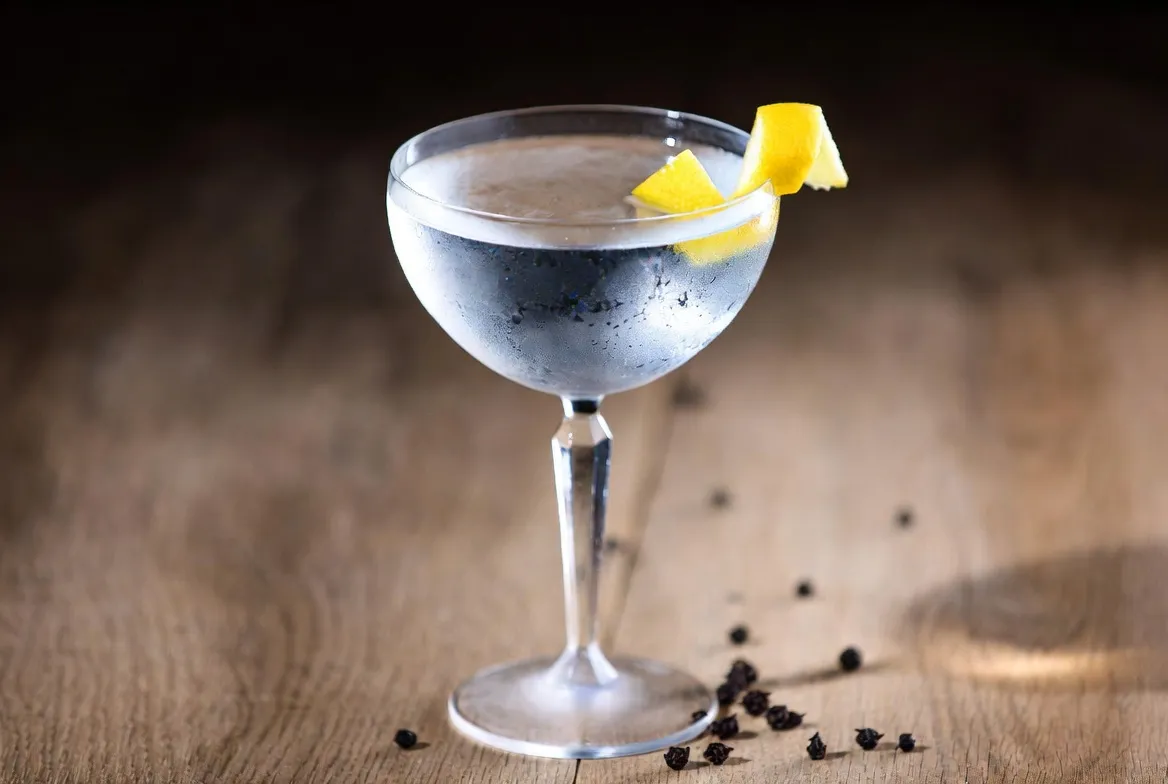
Martini. Plymouth’s signature drink, and a historically important one - it was the gin specified in many of the earliest Martini recipes. Its smooth, earthy roundness makes a softer, more elegant Martini than a sharp London Dry, less austere and more approachable. If you want a classic Martini that is not aggressively dry, Plymouth is the gin. Stir, lemon twist, done.
Gin and tonic. Excellent. The earthy softness pairs beautifully with a good tonic, and Plymouth takes well to a slightly more aromatic garnish - a slice of orange or a cardamom pod echoes its botanicals.
Negroni. Works nicely. Plymouth has enough body to stand up to Campari, and its roundness makes for a slightly softer, more harmonious Negroni than a sharp gin produces. A good choice for the drink.
Navy Strength cocktails. If you can find the 57% version, it is superb in cocktails that need a gin to punch through - a Gimlet or a strong Martini - while keeping Plymouth’s characteristic smoothness.
The honest verdict
Plymouth Gin is a classic worth knowing precisely because it is not quite like the others. Its soft, earthy, root-driven style is a genuine alternative to the sharp London Dry profile, not just a variation on it, and its status as England’s oldest gin distillery gives it a sense of place few gins can match. As a Martini gin it is one of the historic greats, and as a G and T or Negroni base it is smooth, characterful, and reliable.
It is not the gin to buy if you specifically want bold, sharp juniper - a London Dry does that better. But if you want a classic gin with roundness, depth, and history, or a Martini that is elegant rather than austere, Plymouth earns its place on the shelf. One of the genuinely distinctive classics, and a bottle every gin drinker should try at least once.
Adjacent reading
Gordon's: An Honest Look at the World's Best-Selling Gin
The world's best-selling gin, reviewed without snobbery. Production, palate, its lower 37.5% strength, and why it belongs in a G and T not a Martini.
Bombay Sapphire: The Vapour-Infused Gin That Built the Modern G and T
The blue bottle that made gin approachable for a generation. Vapour infusion, the ten-botanical recipe, and where it actually earns its place.
Tanqueray: The Four-Botanical London Dry That Defines Classic Gin
The green-bottle benchmark built on just four botanicals. Production, palate, and why it remains the reference gin for a Martini, G and T, and Negroni.