Guides
How to Make Perfect Ice for Cocktails: Why It Matters More Than You Think
Ice is the ingredient most people ignore, and it affects your drinks more than the gin. How to make bigger, clearer, better ice at home, and why it matters.
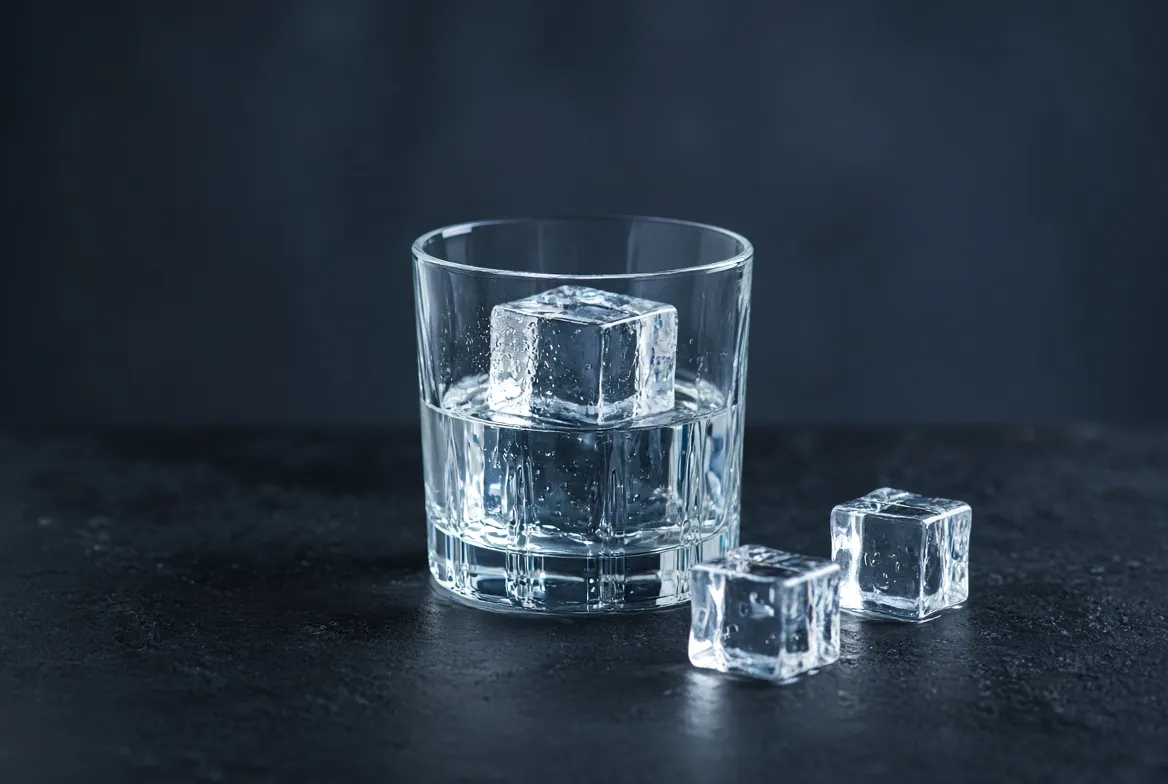
Here is a claim that sounds like exaggeration but is not: ice affects your cocktails more than which gin you use. It is the largest ingredient by volume in most drinks, it controls both temperature and dilution, and yet it is the thing almost everyone ignores, reaching for whatever small, cloudy cubes the freezer tray produced. Getting your ice right is the cheapest, easiest upgrade available to a home bartender, and once you understand why, you will never go back to thin, fast-melting cubes. This is how to make better ice, and why it is worth the small effort.
Ice does two jobs in a cocktail, and they pull in opposite directions. It chills the drink, which you want, and it dilutes the drink as it melts, which you want only up to a point. The size and quality of your ice is what controls the balance between the two. Get it right and your drinks are colder, better balanced, and stay good for longer; get it wrong and they are watery and warm within minutes.
Why bigger ice is better
This is the single most important thing to understand, and it is counterintuitive. Bigger ice melts slower than small ice, so it chills your drink while watering it down less. The reason is surface area: lots of small cubes expose far more surface to the liquid than one big cube of the same total volume, and melting happens at the surface. So a drink built on one large cube stays cold and strong, while the same drink on a handful of small cubes turns watery fast.
This is why good bars serve spirit-forward drinks over a single large cube or sphere. For a gin and tonic, a Negroni, or any drink served on the rocks, bigger ice is simply better. The practical fix is cheap: a large-cube or sphere silicone mould costs very little and makes a real difference to every rocks drink you pour.
A related point: use plenty of ice, not a token amount. It feels wrong, but a glass packed with ice melts slower than a glass with just a few cubes, because the mass keeps everything colder. More ice means a colder, less diluted drink.
Shaking and stirring ice vs serving ice
The ice you make a drink with and the ice you serve it over can be different.
- For shaking and stirring, regular ice cubes are fine - you want them to chill and dilute the drink quickly and controllably, and they are strained out anyway. Use plenty of fresh, cold cubes, and do not reuse ice that has already been in a drink.
- For serving over, use the biggest, best ice you have - a large cube or sphere for a rocks drink, or plenty of good cubes for a long drink like a gin and tonic. This is the ice the drinker actually sees and that sits in the glass melting, so it matters most here.
Clear ice: worth it or not?
You have probably seen the beautiful crystal-clear ice in cocktail bars and wondered how they do it. Clear ice is denser, melts a little slower, and looks stunning, which is why bars use it. The cloudiness in normal ice comes from trapped air and impurities freezing into the centre.
The good news is you can make clear ice at home with the “directional freezing” method, and it needs no special kit. Fill a small insulated cooler (the cheap polystyrene kind, with no lid) with water and put it in the freezer. Because it freezes from the top down, the air and impurities are pushed downward, leaving the top portion crystal clear. After a day or so, before it freezes solid, remove the big block, cut it into cubes with a serrated knife, and you have clear ice. It is a weekend project rather than an everyday need.
Honestly, though, clear ice is mostly about looks. If you care about how your drinks photograph or want to impress guests, it is a lovely touch. If you just want better-tasting drinks, big ice matters far more than clear ice - so start there.
A few practical tips
Make your ice with filtered or good-tasting water if you can, because ice is mostly water and any off-flavours end up in your drink. Store ice in a sealed bag or container, as ice readily absorbs smells from the freezer (and a gin and tonic that tastes of last week’s dinner is nobody’s goal). Make more than you think you need - running out mid-session is the most common ice mistake. And for a gin and tonic specifically, fill the glass completely with ice; a full glass of ice keeps the drink cold and fizzy, while a half-empty one goes warm and flat quickly.
The takeaway
Ice is the most underrated ingredient in cocktails, and improving it is the easiest upgrade you can make. The core rule is simple: bigger ice melts slower, so it chills without watering down - use one large cube or sphere for rocks drinks and plenty of ice in long drinks. Regular cubes are fine for shaking and stirring; save your best ice for serving. Clear ice is a beautiful bonus if you want to make the effort, but it is mostly about appearance, so chase big ice first. Freeze good water, keep it sealed, use lots of it, and your gin and tonics and Negronis will be colder, better balanced, and far more enjoyable - without changing a single thing about the gin.
Adjacent reading
Cocktail Garnishes: How to Cut a Twist, Express Citrus, and More
A garnish is not decoration - it is an ingredient. How to cut a citrus twist, express the oils, and finish gin cocktails properly. The techniques that matter.
Cask-Aged Gin Explained: What Happens When Gin Meets the Barrel
Cask-aged gin is rested in barrels like whisky, taking on colour, warmth and spice. What it is, how it tastes, and how to drink this growing style.
How to Host a Gin Tasting at Home: A Simple Guide
How to run a proper gin tasting at home - which gins to pick, how to set up the glasses and tonic, what to taste for, and how to keep it fun rather than fussy.