Guides
Cocktail Garnishes: How to Cut a Twist, Express Citrus, and More
A garnish is not decoration - it is an ingredient. How to cut a citrus twist, express the oils, and finish gin cocktails properly. The techniques that matter.
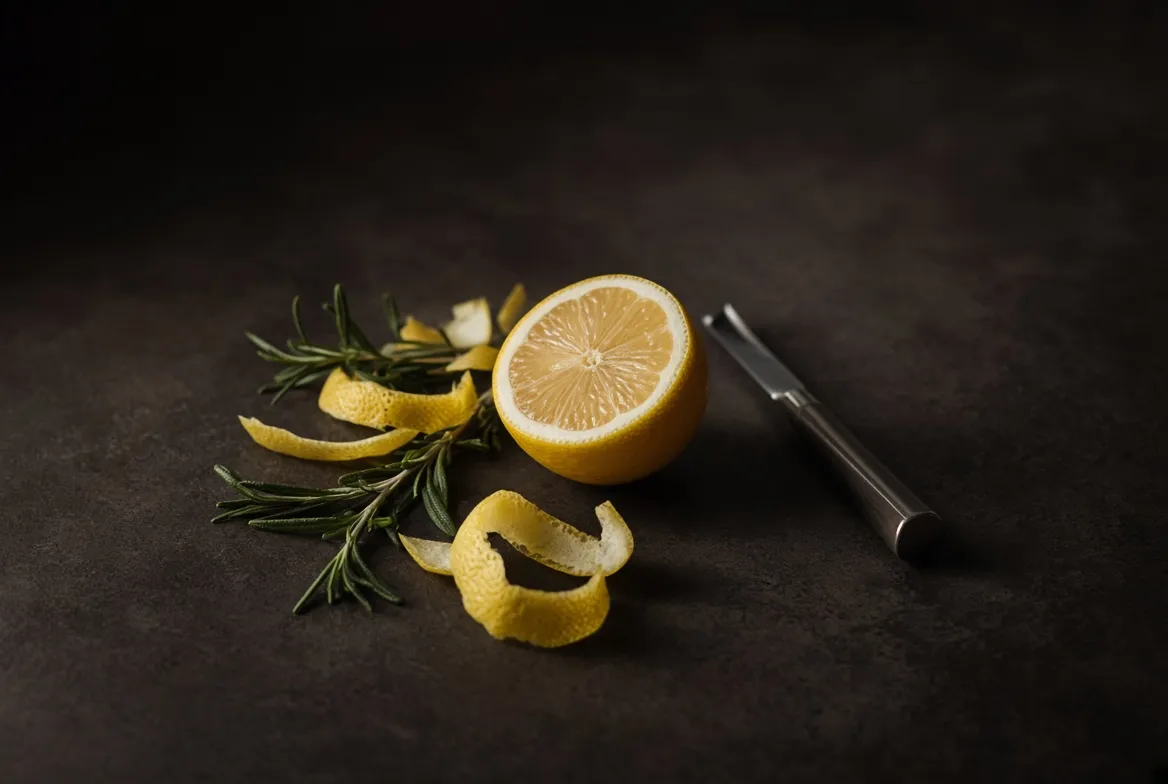
Most people treat a garnish as decoration - something pretty perched on the glass at the end. In a well-made cocktail, it is nothing of the sort. A garnish is an ingredient, chosen and prepared to add aroma and flavour that changes how the drink tastes. The classic example is a citrus twist: done properly, it sprays a fine mist of fragrant oil across the surface of the drink, and that aroma is the first thing you smell and a genuine part of the experience. This is a guide to garnishing gin cocktails properly - the techniques that actually matter, not the paper umbrellas.
The principle to hold onto is that a garnish should earn its place. If it adds aroma, flavour, or a functional cue to the drink, it belongs; if it is purely for show and does nothing, it is clutter. The best gin cocktails are finished with a simple, deliberate garnish that complements the drink, and knowing a few basic techniques lets you do it like a bartender.
The citrus twist: the most important garnish
A citrus twist - a strip of lemon, orange, or grapefruit peel - is the single most useful garnish in the gin repertoire, and the technique of “expressing” it is what makes it work.
How to cut a twist. Using a Y-peeler or a sharp knife, cut a strip of peel from the fruit, trying to take mostly the coloured zest and as little of the white pith as possible (the pith is bitter). A strip roughly the width of your thumb and a couple of inches long is ideal. For a neater look, you can trim the edges straight.
How to express it. This is the crucial step most people skip. Hold the strip of peel skin-side down over the surface of the drink, and give it a firm pinch or twist. You will see (and smell) a fine spray of citrus oil release from the skin onto the drink. That mist of aromatic oil is the whole point - it sits on the surface and perfumes every sip. Then rub the peel around the rim of the glass if you like, and drop it into the drink or perch it on the edge.
Expressing the oils takes two seconds and transforms the aroma of a Martini, a Negroni, or a gin and tonic. A twist that is just dropped in without expressing does almost nothing.
Other essential garnishes
-
Citrus wedges and wheels. A lime or lemon wedge lets the drinker add a squeeze of juice to taste - useful in a gin and tonic. A thin wheel is more decorative but can also be floated or hung on the rim. Use wedges when you want the option of extra juice, twists when you want aroma without acidity.
-
Herb sprigs. A sprig of rosemary, thyme, mint, or basil adds a wonderful aroma to the right gin drink. The key is to gently slap the herb between your palms before adding it - this bruises it just enough to release its aromatic oils without shredding it. A slapped mint sprig over a Southside, or rosemary in a herbal gin and tonic, lifts the whole drink.
-
Cucumber. Thin ribbons or slices of cucumber are the classic garnish for a Hendrick’s-style floral gin and tonic, adding a cool, fresh aroma. Use a peeler for elegant ribbons.
-
Olives and a cocktail onion. For a Martini, olives (or a cocktail onion, which makes it a Gibson) are the traditional savoury garnish. Use good olives, and a small amount of their brine makes a Dirty Martini.
-
Berries and other fruit. Fresh berries suit fruitier gin drinks and add a pop of colour - a few raspberries or blackberries on a pick. Use fruit that actually relates to the drink’s flavours.
Matching the garnish to the drink
The best garnish complements the gin and the cocktail rather than fighting it. Match it to the drink’s character: a classic, juniper-forward gin and tonic takes a lemon or lime twist; a citrus-led gin loves grapefruit peel; a floral gin wants cucumber or a delicate herb; a Mediterranean gin suits rosemary or a few olives. The garnish should echo a flavour already in the glass, amplifying it rather than introducing something that clashes. When in doubt, a simple expressed citrus twist suits almost any gin drink.
A few tools that help
You do not need much. A Y-peeler (the same one you use for vegetables) is perfect for twists and cucumber ribbons. A small sharp knife handles wedges and wheels. A channel knife, if you want one, makes the thin spiral twists you see in fancier bars, though it is optional. Cocktail picks are handy for olives and berries. That is genuinely all the garnishing kit most people need.
The takeaway
A garnish is the final, deliberate touch that finishes a cocktail, and treated as an ingredient rather than decoration it genuinely improves the drink. The one technique everyone should learn is expressing a citrus twist - pinching the peel over the drink to spray its aromatic oils across the surface - because it transforms the aroma of a Martini, Negroni, or gin and tonic in seconds. Beyond that, slap your herb sprigs to release their scent, match the garnish to the flavours already in the glass, and keep it simple. Get the finish right and a good cocktail becomes a great one, perfumed and complete before the first sip.
Adjacent reading
How to Make Perfect Ice for Cocktails: Why It Matters More Than You Think
Ice is the ingredient most people ignore, and it affects your drinks more than the gin. How to make bigger, clearer, better ice at home, and why it matters.
Cask-Aged Gin Explained: What Happens When Gin Meets the Barrel
Cask-aged gin is rested in barrels like whisky, taking on colour, warmth and spice. What it is, how it tastes, and how to drink this growing style.
How to Host a Gin Tasting at Home: A Simple Guide
How to run a proper gin tasting at home - which gins to pick, how to set up the glasses and tonic, what to taste for, and how to keep it fun rather than fussy.