Guides
How to Infuse Your Own Gin: Flavoured Gin, the Easy Way
Make your own flavoured gin at home - fruit, herbs, spices and more. The simple method, timings for each botanical, and how to get it right without ruining a bottle.
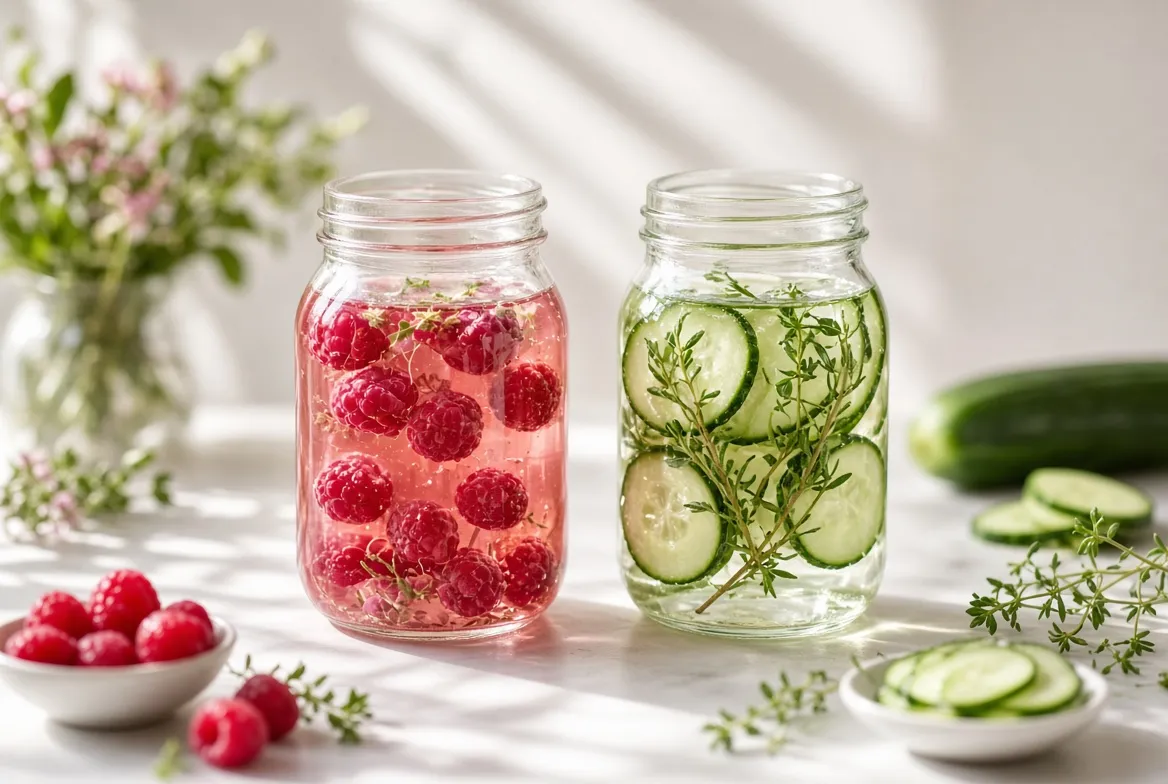
Making your own flavoured gin sounds like a project for a serious hobbyist, but it is one of the easiest and most rewarding things you can do with a bottle of gin. You are not distilling anything - you are simply steeping flavourings in gin you already have, letting the spirit draw out their colour and taste. A few days later you have a custom gin that tastes of whatever you chose: rhubarb, raspberry, cucumber, chilli, citrus, warming spice. It makes a brilliant homemade gift, a talking point for a party, and a genuinely good drink. Here is how to do it properly.
A clarification first: infusing is not the same as distilling. Distilling gin is a licensed, equipment-heavy process. Infusing is just steeping - legal, safe, and done with nothing more than a jar. You take a finished gin and add flavour to it. That is the whole craft, and it is well within anyone’s reach.
The basic method
The process is the same whatever you infuse:
- Choose a gin. Use a decent but not precious gin - a solid London Dry works well. A classic juniper-forward gin stands up to added flavours better than a delicate or expensive one, which you would only mask. Do not use your best bottle; a mid-range gin is perfect.
- Prepare your flavourings. Wash fruit, chop larger items to expose more surface area, lightly bruise herbs, and crack whole spices. More surface area means faster, stronger infusion.
- Combine in a clean jar. Put the flavourings in a clean, sealable glass jar and pour the gin over them. Seal it.
- Steep, and taste. Leave the jar somewhere cool and dark, and taste it regularly (see timings below). Different ingredients infuse at very different speeds.
- Strain and bottle. Once it tastes right, strain out the solids through a fine sieve or muslin, and bottle the finished gin in a clean container. It is ready to drink.
That is genuinely all there is to it. The only skill is knowing how long to steep each thing.
Timings: the part that matters
The single most important thing in infusing is not over-steeping. Leave ingredients in too long and flavours turn bitter, muddy, or medicinal. These are rough guides - always taste rather than relying on the clock.
- Soft fruit and berries (raspberries, strawberries, blackberries) - fast, usually 2 to 4 days. They give colour quickly.
- Firmer fruit (rhubarb, plums, apple) - around 3 to 7 days.
- Citrus peel (lemon, orange, grapefruit zest) - quick, often 1 to 2 days. Use just the coloured zest, not the bitter pith, and watch it closely as it can turn bitter.
- Cucumber - fast and delicate, around 1 to 2 days.
- Fresh herbs (rosemary, thyme, basil, mint) - quick, a matter of hours to a day. Herbs can turn bitter fast, so taste often.
- Spices (cardamom, cinnamon, star anise, peppercorns, coriander seed) - slower and potent, 1 to 3 days. A little goes a long way.
- Chilli - very fast and powerful, sometimes just a few hours for a gentle heat. Taste very frequently.
When a mix includes fast and slow ingredients, you can add the slow ones first and the delicate ones later, or simply strain out individual items as they are done.
Flavour combinations worth trying
Some reliable, delicious starting points:
- Rhubarb and ginger - a classic British flavoured gin, tart and warming.
- Raspberry - simple, fruity, a gorgeous pink colour. Lovely in a fizz.
- Cucumber and mint - cool and refreshing, superb in a gin and tonic.
- Citrus (lemon, orange, grapefruit peel together) - bright and zesty, great for a Martini.
- Spiced winter gin - cinnamon, star anise, cardamom, and orange peel for a warming, festive gin.
- Chilli - a gentle heat that works surprisingly well in a spicy gin and tonic or a Mediterranean-style drink.
Start with one or two flavours before attempting complex blends - it is easier to learn how each ingredient behaves on its own.
A few things to get right
Use a clean jar and clean hands, as you are making something you will drink and keep. Strain thoroughly so no solids remain to keep infusing (or spoiling) in the bottle. A finished infused gin, properly strained, keeps for months like any gin, though fresh-fruit infusions are best enjoyed within a few weeks to a couple of months while the flavour is bright. And label your bottles with the flavour and date - you will forget otherwise, especially if you make several.
One note on sweetness: infusing adds flavour, not sugar. If you want a sweeter, liqueur-style result (like a sloe gin or a sweet rhubarb gin), you can stir in a little simple syrup to taste after straining. Add it gradually - you can always add more.
The takeaway
Infusing your own gin is simple, safe, and genuinely fun: steep prepared flavourings in a decent mid-range gin, taste regularly, and strain when it is right. The only real rule is not to over-steep, since delicate things like herbs, citrus, and chilli turn bitter or overpowering quickly, while fruit and spice take a little longer. Start with a single flavour, use a clean jar, label your results, and sweeten afterwards only if you want to. Within a few days you can turn an ordinary bottle into something personal and delicious - a rhubarb-and-ginger gin for autumn, a cucumber gin for summer, or a spiced gin for the festive season. It is the most hands-on, rewarding, and giftable thing you can do with gin, and it could not be easier to start.
Adjacent reading
Butterfly Pea Gin: The Colour-Changing Gin, Explained
Butterfly pea gin starts deep blue and turns pink before your eyes when you add tonic or citrus. How it works, why it is real, and how to drink it.
Cask-Aged Gin Explained: What Happens When Gin Meets the Barrel
Cask-aged gin is rested in barrels like whisky, taking on colour, warmth and spice. What it is, how it tastes, and how to drink this growing style.
How to Host a Gin Tasting at Home: A Simple Guide
How to run a proper gin tasting at home - which gins to pick, how to set up the glasses and tonic, what to taste for, and how to keep it fun rather than fussy.