World JPN
Japanese Gin: Inside the New-Wave Style and Its Botanicals
Japanese gin pairs London Dry technique with yuzu, sansho pepper, shiso and sencha. What makes the style distinct, the bottles that defined it, and how to drink it.
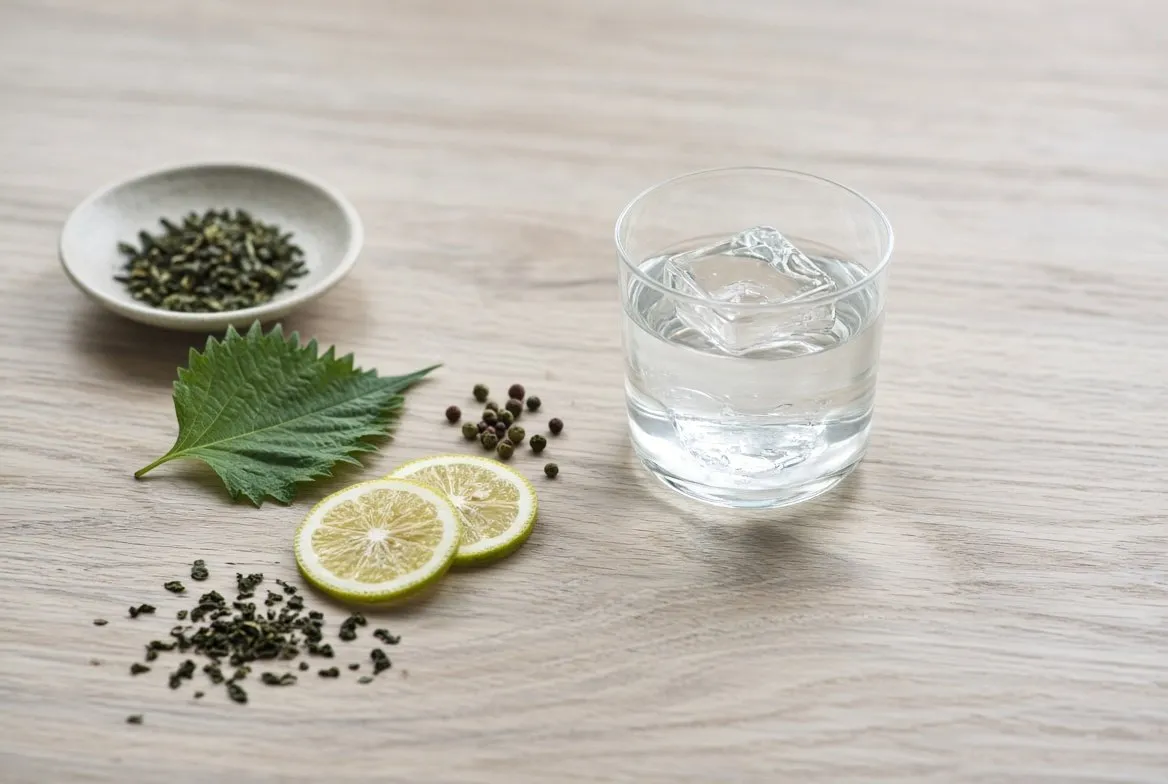
Japan came late to gin and then redefined it. In barely a decade, a handful of distillers took the London Dry template, swapped in a cabinet of native Japanese botanicals, and applied the country’s obsessive approach to craft. The result is a style all its own: precise, aromatic and unmistakably Japanese, and one of the most interesting things to happen to gin this century.
What makes it distinct
A Japanese gin still has to lead with juniper to be called gin, but around that core it draws on ingredients you will not find in a Plymouth or a London Dry. Yuzu and other Japanese citrus give a fragrant, floral sharpness quite unlike lemon or orange. Sansho pepper adds a bright, tingling, almost citrussy spice. Shiso brings a green, herbal, minty note; sakura (cherry blossom) a delicate floral sweetness; and sencha or gyokuro green tea a savoury, slightly tannic depth that lingers on the finish.
The approach matters as much as the ingredients. Japanese distillers tend to distil botanicals separately and blend the resulting spirits, chasing balance and clarity the way a whisky blender would. The gins that come out of this are layered and deliberate rather than loud.
The bottles that defined the style
Ki No Bi, made in Kyoto, is the reference point: built around yuzu, hinoki wood, bamboo, sansho and gyokuro tea, and distilled in botanical groups then blended. Roku, from the drinks giant Suntory, put the style within easy reach, using six Japanese botanicals including sakura flower and leaf, yuzu, sencha and sansho, with a distinctive hexagonal bottle. Others, from Nikka’s Coffey Gin to the Sakurao distillery on the Seto Inland Sea, have pushed the range wider. Together they turned “Japanese gin” from a novelty into a recognised category.
How to drink it
The temptation is to lose these delicate botanicals in a heavy mixer, so treat them gently.
- With a light tonic or soda: a clean soda and a twist of fresh yuzu or grapefruit lets the citrus and tea come through. Many Japanese gins are built for this kind of restraint.
- In a Martini: the precision and aromatics of a gin like Ki No Bi make an exceptional, fragrant Martini, stirred and served very cold.
- Not drowned in a sweet mixer: these are gins to taste, not to mask. If you cannot sense the botanicals, you have used too much of everything else.
The takeaway
Japanese gin took a British idea and made something genuinely new out of it: juniper’s backbone wrapped in yuzu, sansho, shiso and green tea, assembled with blending-room care. It is not cheap, and it is not meant for a careless G&T. Pour it with a light hand and a good mixer, and it offers one of the most distinctive drinking experiences in gin today.
Adjacent reading
Roku Gin: Suntory's Six-Botanical Bet on Japanese Identity
The Osaka-made gin that brought sakura, yuzu, and sansho pepper to the international market. Production, palate, and where it actually sits.
Inside Ki No Bi: Where Kyoto Botanicals Meet a London Dry Tradition
The story of The Kyoto Distillery and the gin that quietly redefined Japanese gin: yuzu, gyokuro, sansho pepper, and a six-category botanical approach.
Singapore Gin: Inside the City-State's Craft Distilling Boom
Singapore has become an unlikely gin hub, with craft distilleries using tropical Asian botanicals. The distilleries, the local style, and the bottles to know.